When I opened my first jar and smelled that bright, tangy scent, I felt proud and a little astonished. You can learn this skill too—step by step—and enjoy real benefits for taste and health.
This guide walks you through what happens biologically when microbes turn sugars into acids or alcohol, why keeping food submerged matters, and how simple tools will get you reliable results.
We’ll show the key equipment, safe salt and brine choices, and how time and temperature affect flavor and shelf life. Expect clear rules you can trust and fixes for the common mistakes people make.
Follow along with sauerkraut as our model recipe, then apply the same way to other vegetables and types of pickles. By the end, you’ll have a confident, practical approach to make tasty, preserved foods that support digestion and nutrient availability.
Key Takeaways
- You’ll get a practical path from the science to simple jars you can make this week.
- Clean tools, correct salt, and keeping produce submerged are essential for safety.
- Time and temperature control flavor—learn the simple ranges to use.
- Basic math for brine ratios removes guesswork and prevents common errors.
- Sauerkraut serves as an easy model to adapt to many vegetables and styles.
What Fermentation Is and Why It Matters Today
Microbes quietly rewrite the chemistry of foods, turning simple sugars into vivid flavors and longer shelf life. In an anaerobic setting, microorganisms—bacteria and yeasts—metabolize carbohydrates and release lactic acid, ethanol, and carbon dioxide.
Think of it as guided microbial cooking: you set the environment and the right microbes do the rest. Temperature, acidity, and salt steer which bacteria dominate. That control is why lactic acid fermentation is so reliable for vegetables at the kitchen scale.
“Controlled microbial action upgrades simple ingredients into tangy, digestible, and preservable foods.”
- Anaerobic action: oxygen favors bad microbes—keep produce submerged in brine or water.
- Four main types: lactic, alcohol, butyric, and acetic—each defined by different organisms and end products.
- Everyday benefits: deeper flavor, improved digestibility, and longer storage without additives.
Once you learn a few repeatable controls—salt, brine, and temperature—you can make safe, tasty ferments with confidence.
Proven Benefits of Fermented Foods for Gut and Overall Health
Tiny bacteria doing big work: that’s the everyday magic behind cultured foods.
During fermentation, beneficial bacteria convert sugars into lactic acid. That drop in pH preserves foods naturally and makes them less hospitable to pathogens.
How lactic acid and microorganisms improve digestion
Lactic acid bacteria help pre-digest carbohydrates. That often makes fermented foods gentler on the stomach.
Regularly eating fermented foods supports a diverse gut microbiome, which links closely to digestion and immune health.
Nutrient availability, natural preservation, and longer shelf life
Microbial action can raise vitamin and enzyme levels, improving nutrient uptake.
The natural acid that develops acts as a preservative—properly made ferments often keep a long time when chilled.
- Lower pH: safer food and easier digestion.
- Better absorption: increased bioavailability of vitamins and minerals.
- Reduced waste: extended shelf life and richer flavor.
“A small daily habit—like a forkful of kraut—can yield measurable benefits for gut comfort and resilience.”
| Benefit | What it does | Practical tip |
|---|---|---|
| Lowered pH | Inhibits spoilage microbes | Keep produce submerged to maintain acidity |
| Increased nutrients | Higher vitamin and enzyme content | Eat raw or lightly cooled to preserve enzymes |
| Gut support | Promotes microbial diversity | Rotate fermented vegetables in meals weekly |
Essential Equipment and Ingredients for Safe Home Fermenting
Choose vessels and salts that match your goals—small jars or a large crock change how you work.
Pick gear that fits your batch size and patience level. Wide-mouth jars are user-friendly for beginners. Crocks with an airlock are handy for bigger batches and reduce daily burping.
Choosing jars, crocks, and airlocks
Match vessel size to how often you cook and how many vegetables you want preserved. A jar is great for small recipes. A crock helps with active, longer runs.
Weights and submersion tools
Use a glass or ceramic weight to keep produce below the brine. A folded cabbage leaf can work for small jars.
Keeping everything submerged maintains the anaerobic zone that protects your food.
Best salts and what to avoid
Pick unrefined sea salt, kosher salt, or pickling salt for predictable dissolving and steady results. Avoid iodized salt and any with anti-caking agents—those additives can inhibit beneficial microbes.
- Sanitize a jar and rinse tools to cut contamination risk.
- Use filtered water if your tap is heavily chlorinated.
- Consider a starter if you want extra control, but most vegetable ferments succeed without one.
- Keep labels, a tamper, and a small funnel on hand for tidy batches and repeatable recipes.
“Simple, clean tools and the right salt are the easiest investments for safer, tastier jars.”
| Item | Why it matters | Practical tip |
|---|---|---|
| Wide-mouth jar | Easy packing and cleaning | Use for small batches and quick recipes |
| Crock + airlock | Better for large, active ferments | Reduces daily burping and spillage |
| Glass/ceramic weight | Keeps vegetables under brine | Choose a size that fits your vessel snugly |
| Unrefined sea/kosher/pickling salt | Doesn’t contain anti-caking agents | Weigh salt for consistent results |
Core Principles: Salt, Brine, Bacteria, and an Anaerobic Environment
Salt and liquid form the simplest rules that decide which microbes thrive and which fade away. Get these basics right and you steer a safe, tasty fermentation with predictable results.
Why keeping vegetables submerged prevents spoilage
Keeping vegetables below the liquid stops oxygen from reaching the surface. That anaerobic environment discourages unwanted yeasts and mold.
Practical steps:
- Salt draws water out of plant cells to form a protective brine and preserves crunch.
- Use weights and tight packing to avoid surface exposure—surface air invites spoilage.
- Clear brine, a mild tang, and bubbles are normal signs your ferments are active.
Lactic acid formation and how sugars become acids
Lactic acid bacteria consume naturally occurring sugars in vegetables and release lactic acid. That acid drops pH and preserves flavor and safety at the same time.
“Salt + submersion + no oxygen is the simple formula that lets beneficial microorganisms dominate.”
You don’t need sterile labs—clean tools, correct salt levels, and consistent submersion guide the right bacteria to win. Follow those principles and most vegetables will transform reliably into delicious, stable ferments.
Step-by-Step: Dry-Brined Sauerkraut as the Model Home Fermentation Process
Start with one solid rule: weigh your cabbage and treat salt like a precise ingredient. Use about 2% salt by weight of the chopped cabbage.
Chop, weigh, and salt
Chop the cabbage and weigh it. Add roughly 2% salt, then massage until the leaves release liquid to create brine.
Pack, weight, and submerge
Pack the mix tightly into a jar. Top with a large cabbage leaf or a glass weight to keep everything under the brine.
Burp jars and manage overflow
Place the jar on a plate. Expect bubbles—burp daily or use a lid that vents gas to avoid spills.
Taste, chill, and store
Ferment at room temperature for at least two weeks. Taste as flavor and tang develop. When you like it, move the sauerkraut to the fridge to slow activity.
The lactic acid you taste is the sign that beneficial bacteria are converting sugars and lowering pH.
- Keep utensils clean and push down any floaters so the kraut stays submerged.
- Record your salt ratio and time so you can repeat the same great batch.
| Step | Target | Quick tip |
|---|---|---|
| Weigh & salt | ~2% salt of cabbage weight | Use a scale for accuracy |
| Pack & submerge | All cabbage below brine | Use a leaf or glass weight |
| Ferment & burp | Room temperature, ~2+ weeks | Set on a plate to catch overflow |
| Finish & chill | Move to cold storage when ready | Taste periodically to find your best flavor |
Wet Brining Vegetables: Carrots, Cherry Tomatoes, Peppers, and More
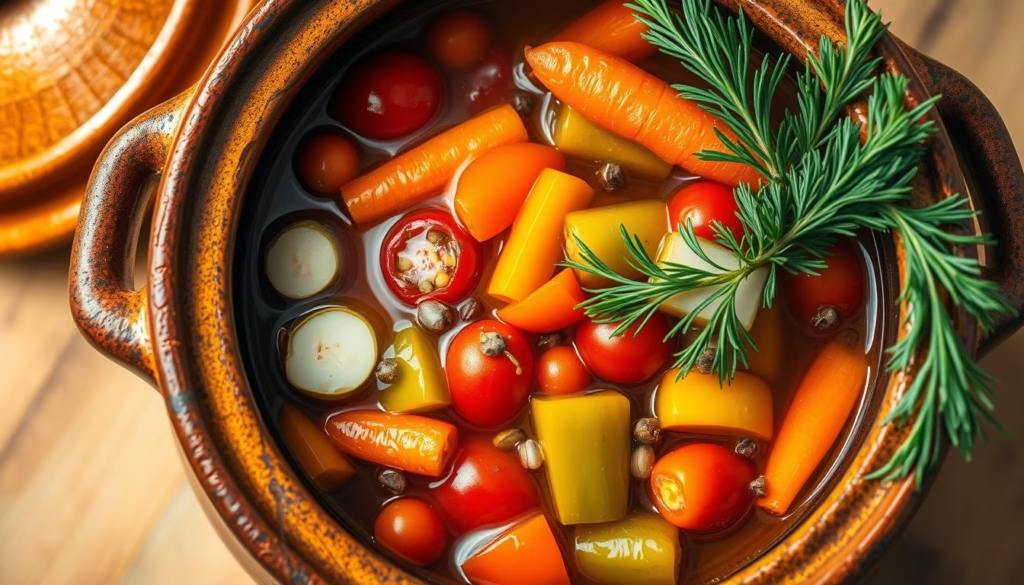
Wet brining gives firm vegetables an immediate, even soak that helps flavor and texture stay bright. This is the best approach for whole or low-moisture produce that won’t make its own liquid.
Brine strength and mixing
Make a 2–5% salt-in-water solution by weight—about 20–50 g salt per liter of water. Stir until the salt fully dissolves before you pour it over the veg.
Best candidates and texture tips
Great examples are carrot sticks, cherry tomatoes, and whole peppers. These vegetables hold crunch when brined correctly.
Flavor additions and safety
Add garlic, dill, peppercorns, or bay leaves for extra taste. Keep the brine concentration steady; do not dilute with extra water after seasoning.
- Leave headspace in jars to catch overflow.
- Keep everything submerged with a weight to maintain an anaerobic zone for friendly bacteria and microorganisms.
- Start at 3% as a balanced way to learn, then adjust for texture and flavor.
| Vegetable | Suggested Brine % | Texture Note |
|---|---|---|
| Carrots | 2–3% | Firm, crisp if brined shorter |
| Cherry tomatoes | 3–4% | Bright, maintains skin integrity |
| Whole peppers | 3–5% | Holds crunch; watch for faster ferment at higher temperature |
Time and Temperature: Managing Room Temperature Ferments
A steady room climate keeps microbial activity predictable and your jars tasting consistent.
Most vegetable ferments do best when you control two things: how long they sit and the temperature they experience.
Ideal ranges for primary fermentation and cold storage
Aim for about 68–72°F during primary fermentation to keep activity steady and flavors balanced. Some slow ferments do well at ~50°F; they take longer but hold crispness.
When the flavor peaks, move jars to colder storage. Refrigeration at 32–38°F will slow microbes and extend shelf life. A root cellar around 32–40°F works well for larger batches.
- Keep the room steady—large swings speed or stall development.
- Taste daily for fast jars; check every few days for slow ones and log changes.
- If your room runs warm, shorten primary time and chill sooner to protect texture.
- Always use clean utensils when serving and reseal jars promptly.
“Use your senses—sniff, taste, and adjust. They are your best thermometer.”
| Stage | Target Temperature | Practical Tip |
|---|---|---|
| Primary activity | 68–72°F | Keep jars out of direct sun; aim for a stable room spot |
| Slow, cool ferment | ~50°F | Expect longer time; check aroma and taste, not just calendar |
| Cold storage | 32–38°F (fridge) / 32–40°F (root cellar) | Chill when flavor is right to preserve for a long time |
Salt and Brine Ratios Made Simple
A simple percent rule turns a vague measurement into a consistent recipe. Use percentages to weigh salt against water and you remove guesswork. That gives you reliable texture and safety for many vegetables.
Percentages vs tablespoons: precise brine math for reliability
For wet brines, multiply liters of water by the percent. A 3% brine needs 30 g salt per liter. As an example, 1 liter at 2% needs 20 g; at 5% it needs 50 g.
Vegetable-specific guidance: firm veg vs cucumbers and onions
Most firm vegetables—broccoli, cauliflower, carrots, beets, asparagus, and tomatoes—do well at 1.5–3% brine. Cucumbers, onions, and radishes often prefer ~5% to keep crispness. Olives are typically around 10%.
Dry salting, pre-brining, and full brining compared
Dry salting suits shredded cabbage; aim for about 1 tablespoon salt per 680 g vegetable. Pre-brining can use stronger solutions (for example, 4 tablespoons per liter) then drain and pack. Wet brining shines for whole items you want to create brine around.
- Weigh salt when possible—tablespoons vary by crystal size.
- Adjust up a point in warm weather for crunch; lower it slightly if you want a faster, softer result.
- Keep a short log: vegetable, water volume, salt weight, and days at room temp to repeat great batches.
Safety First: Clean Tools, Proper Submersion, and Daily Habits
Safety in the kitchen starts long before you taste a jar—clean habits protect every batch.
Wash your hands, sanitize vessels, and use fresh utensils each time you sample. That simple routine limits unwanted bacteria and keeps your foods safe.
Keep produce fully under the liquid. Use a glass weight, a folded cabbage leaf, or tight packing so everything stays in the submerged brine and the anaerobic environment is maintained.
If you see something floating on the surface, remove it, wipe the rim, and re-weight the jar. Manage CO2 by daily burping or by fitting lids with an airlock so gas escapes without letting oxygen back in.
- Label jars with start dates and salt percentages to track what worked.
- Don’t double-dip—use a clean spoon every time to avoid cross-contamination.
- If you’re unsure, a trusted starter can help, but correct salt and submersion usually succeed.
- Store finished jars cold—32–38°F in the fridge or 32–40°F in a root cellar for longer life.
“When in doubt, toss suspect jars; better to lose one batch than risk your health.”
Advanced Techniques to Elevate Your Ferments
Take your jars one step further with a short second stage that builds depth and gentle fizz.
Secondary fermentation is a tidy way to layer flavor and add carbonation—especially for beverages like kombucha or kefir-based blends.
For a mild fizz, bottle with a pinch of sugar or a few berries. Seal tightly and burp daily to avoid too much pressure.
Wild vs. starter cultures
Wild fermenting taps the microbes on your produce and in the air. It gives unique, local character.
A starter brings predictability and speed. Choose the way that fits your goals—distinctive jars or consistent results.
- Keep solids under the brine to avoid oxygen exposure and off-flavors.
- Use small test jars to compare wild vs. starter side by side.
- Note how lactic acid and aromas shift during a short second stage; log your best recipes.
“Advanced doesn’t mean complex—stack simple, clean techniques to build repeatable results.”
| Technique | Benefit | Quick tip |
|---|---|---|
| Secondary bottling | Added flavor layers & carbonation | Bottle with fruit, burp daily until desired fizz |
| Wild culture | Unique regional character | Try side-by-side tests with small jars |
| Starter culture | Faster, predictable outcome | Use measured starters for consistency |
Troubleshooting Off-Flavors, Mold, and Texture Issues
A few simple checks will tell you whether a jar needs rescue or should be tossed.
Common causes are easy to spot: sudden temperature swings, incorrect salt, or oxygen at the surface. Warm spikes speed fermentation and invite slimy growth. Too little salt lets the wrong bacteria gain ground; too much salt slows activity and ruins texture.
When to discard versus when to fix
Sour but clean aromas and a pleasant tang are normal—those are signs of lactic acid and friendly bacteria at work.
If a jar smells putrid or shows fuzzy, colored mold, trust your instincts and discard for your health.
Practical fixes you can try
If you see sliminess or surface growth and the smell is still bright, try this: tighten packing, add a measured amount of salt to adjust the brine, and re-weight so everything stays under liquid.
Texture problems—mushy cucumbers, for example—often respond to cooler room temps and slightly stronger brine on the next batch.
Finishing and storing
Watch your time: jars ferment faster in warm weather, so taste earlier and move to cold storage when flavor peaks.
Store finished jars at 32–38°F in the fridge or 32–40°F in a root cellar for a long time. A steady temperature and true anaerobic environment stop most problems from returning.
“A lot of issues resolve when you return to basics—proper salt, steady temperature, and full submersion.”
- Keep a troubleshooting log with the recipe, temps, and days at room so you can avoid repeat mistakes.
- When in doubt, prioritize health and toss questionable jars—then tweak your technique for the next batch.
Conclusion
You now have the tools to turn simple produce into vibrant, tangy jars you’ll reach for again and again.
This short guide gave you clear rules: use unrefined salt, weigh ingredients, keep everything under a submerged brine, and hold primary ferments near 68–72°F. When flavor is right, store at 32–38°F to slow activity.
The same way works for many types and recipes—dry-salt shredded cabbage at ~2% for kraut or make a 2–5% wet brine for carrots and cherry tomatoes. Clean tools and steady temps keep bacteria friendly and your food safe.
Practice, take notes, and tweak recipes. If a jar goes sideways, review salt, weight, and oxygen control, then try again. Enjoy the craft—there’s a lot to love in making your own fermented foods.
FAQ
What exactly is fermentation and why does it matter now?
Fermentation is a natural transformation where beneficial microorganisms—mostly lactic acid bacteria—consume sugars in foods and produce acids, gases, and flavor compounds. It’s relevant today because fermented foods boost flavor, extend shelf life without refrigeration, and support digestive health by increasing beneficial microbes and bioavailable nutrients.
How do lactic acid and microorganisms improve digestion?
Lactic acid bacteria lower pH, which helps preserve food and limits harmful microbes. They also help break down fibers and some anti-nutrients, making vitamins and minerals easier to absorb. Regularly eating fermented vegetables can diversify your gut microbiome and ease digestion for many people.
What equipment and jars do I need to start safe fermentation?
Start simple: clean glass jars with wide mouths, a ceramic crock if you want larger batches, and an airlock lid or loose lid for burping. Use weights—glass or ceramic—to keep food submerged and a funnel or tamper for packing. These items maintain an anaerobic environment and reduce spoilage risk.
Why is keeping vegetables submerged so important?
Submersion excludes oxygen, which favors lactic acid bacteria and prevents aerobic spoilage organisms and mold. A reliable brine and a proper weight or leaf cap keep the produce below the liquid, creating a safe, acidic environment for proper fermentation.
How do I make a reliable brine and what salt should I use?
Mix non-iodized salt such as kosher salt or sea salt with water to a specific percentage—commonly 2–5% by weight. Measure salt and water for accuracy: percentages give consistent results, while tablespoons vary by grain size. Avoid salts with anti-caking agents or iodine for best microbial performance.
How do I make dry-brined sauerkraut step by step?
Shred cabbage, weigh it, and add salt at about 2% of the vegetable weight. Massage until it releases juice, pack tightly in a jar, add a cabbage leaf or weight to keep solids submerged, and seal or use an airlock. Taste as acids develop—usually several days to weeks—then refrigerate when you like the flavor.
What brine strength should I use for carrots, peppers, and whole vegetables?
For whole or firm vegetables, aim for 2–5% brine. Firmer items often need higher salt or pre-brining to maintain texture. Use the lower end for quick, short ferments and the higher end for longer fermentation or when preserving delicate textures.
Can I add herbs and spices safely during fermentation?
Yes. Herbs, garlic, dill, mustard seeds, and spices add flavor and rarely interfere with safety. Use clean ingredients, avoid oily additives that can trap air, and keep everything submerged. Strong spices may alter microbial activity slightly but are generally fine in typical proportions.
What temperature should I maintain for room-temperature ferments?
Keep primary ferments between about 60–75°F (15–24°C). Warmer temps speed fermentation and produce tang faster but can reduce complexity; cooler temps slow activity and favor milder flavors. Once the desired acidity is reached, move jars to cold storage to slow further change.
How long should I ferment different vegetables?
Time varies with temperature, salt, and texture. Quick ferments can be ready in 2–5 days; sauerkraut often needs 1–4 weeks; tougher roots may take longer. Taste periodically—when acidity and texture suit you, transfer to refrigeration to preserve that stage.
How do I convert salt percentages into tablespoons for recipes?
The most reliable method is weight-based: weigh vegetables and calculate salt as a percent of that weight. If you must use volume, remember coarse salts pack differently; kosher or sea salt tablespoons will differ. For accuracy, use a kitchen scale and a simple percent formula.
What causes off-flavors, mold, or soft texture and how do I fix them?
Common causes include temperature swings, too little salt, oxygen exposure, or dirty tools. Surface white film (kahm yeast) is usually harmless and can be skimmed; fuzzy mold is unsafe—discard affected jars. To prevent problems, maintain submersion, consistent temps, and clean equipment.
When should I discard a ferment versus adjust and continue?
Discard if you see fuzzy, colored mold penetrating the solids or detect rotten, putrid odors. If you see clear brine with mild sourness, bubbles, or kahm yeast, you can often remove the film, skim, re-submerge, and continue fermenting safely.
What are advanced techniques to improve flavor and carbonation?
Try secondary fermentation for more complex acids and gentle carbonation—seal jars briefly to trap CO2, then burp. You can also experiment with starter cultures for predictable results, or let wild ferments develop at cooler temperatures for nuanced flavor profiles.
How should I store finished ferments and how long do they last?
Once you like the taste, refrigerate or place jars in a cool cellar to slow microbes. Many ferments stay good for months when kept cold and submerged. Check for signs of spoilage before use; flavor and texture will slowly change over time.
Are there vegetables that don’t ferment well and why?
Some high-starch vegetables or those with low water content can be challenging. Cucumbers, for instance, can get soft unless you control salt, temperature, and use crisping agents like grape leaves or tannin-rich leaves. Choose firmer produce and adjust technique for best texture.
Do I need starter cultures or can I rely on wild microbes?
You can rely on wild microbes—most vegetables have enough native bacteria to start a reliable ferment. Starters (commercial cultures or whey) give faster, more predictable acidification and consistent flavor. Use starters when consistency matters or in marginal conditions.
What daily habits keep small-batch ferments safe?
Check that foods remain submerged, wipe rims and lids clean, and burp sealed jars if pressure builds. Use clean utensils for tastings and avoid dipping unclean spoons into a jar. Small, regular checks catch problems early and keep ferments healthy.