Home Brew Supplies – Get Started
Unlock Your Inner Brewer: The Ultimate Guide to Home Brew Supplies And Craft Beer Kits
With home brew supplies your love for craft beer keeps growing. People want unique tastes and special brewing experiences. They dream of a custom pint, something made with their own hands. This desire for something different has many people looking beyond the store shelves.
Home brew supplies craft beer kits offer an easy way to make this dream real. These kits let you brew your favorite styles right in your kitchen. They bring convenience and immense satisfaction. Imagine enjoying a beer you made from scratch!
This guide will show you what these kits are all about. You’ll learn how they work and what you need to pick the perfect one. Get ready to start your own home brew journey.
Why Choose a Home Brew Craft Beer Kit?
The Convenience Factor: From Box to Brew in Hours
Getting home brew supplies and doing the brewing used to feel like a big science project. Not anymore. Craft beer kits make the process simple. They save you a ton of time compared to making beer from scratch. You will find pre-measured ingredients ready for use. Instructions are easy to follow, step by step. Plus, you need much less special equipment. This means less fuss for you. Kits are perfect for new brewers. They also suit anyone with limited free time.
The Taste of Tradition: Recreating Your Favorite Styles
Home Brew Supplies and modern kits help you make amazing-tasting beer. The quality and authentic flavors are truly surprising. You can brew many different beer styles using a kit. Think hoppy IPAs, rich Stouts, crisp Lagers, or malty Ambers. They let you make beers that taste just like your top commercial craft brews. For instance, a West Coast IPA kit can give you that classic bitter and citrus kick. You get to enjoy those familiar, great flavors.
Cost-Effectiveness: Supplies To Home Brew More for Less
Buying craft beer can get expensive quickly. Home brewing with a kit saves you a lot of money. Many homebrewers report saving 50-70% per pint compared to store-bought craft beer. Making your own beer means more delicious pints for less cash. You’ll stretch your beer budget way further.
The Joy of Creation: A Rewarding Hobby
Home Brewing your own beer is deeply satisfying. It’s a great creative outlet. You learn how fermentation works and how ingredients blend. There’s real pride in sharing a beer you crafted yourself. Friends and family will surely be impressed. It’s more than just a drink; it’s a personal achievement.
Understanding the Anatomy of a Home Brew Craft Beer Kit
Malt Extract: The Foundation of Your Brew
Malt extract is super important in brewing kits. It gives the yeast the sugars it needs to make alcohol. Malt extract comes in two main forms. Liquid malt extract (LME) is thick and syrupy. Dry malt extract (DME) is a powder. LME is often easier to mix. DME is lighter to ship and stores longer. When using LME, warm the container in hot water. This makes it easier to pour.
Hops: The Soul of the Beer
Hops add amazing flavor, aroma, and bitterness to beer. In kits, you usually find hop pellets. These tiny pellets are dried and pressed hops. They give beer its bitter edge, balancing the sweetness of the malt. Hops also offer a range of smells and tastes, from floral to piney to citrus. For example, Cascade hops are common in American Pale Ales. They give those beers a bright, grapefruity note.
Yeast: The Unsung Hero of Fermentation
Yeast does the crucial work of turning sugar into alcohol and carbon dioxide. Without it, you just have sweet water. Kits include specific yeast strains. Each strain affects the beer’s taste and smell in unique ways. Some yeasts create fruity flavors. Others make a clean, crisp finish. Pitching your yeast at the right temperature matters a lot. Always check your kit’s instructions for the best temperature range.
Other Essential Components: Beyond the Big Three
Many kits contain more than just malt, hops, and yeast. You might find extra flavorings. These can be fruit purees or spices. Some kits include fining agents. These help make your beer clearer. You’ll also often get priming sugar. This is for adding carbonation to your beer in the bottle. These extra items help you create a finished, delicious brew.
Choosing Your First Home Brew Supplies Craft Beer Kit: A Step-by-Step Guide
Identifying Your Beer Preferences
Think about the beers you love to drink. Do you enjoy dark stouts or bitter IPAs? Maybe you prefer something light and refreshing. Pick a kit that matches these tastes. There are kits for nearly every beer style out there. For your very first brew, consider an easier-to-make style. An Amber Ale or an English Pale Ale is often very forgiving. They still taste great if your process isn’t perfect.
Evaluating Kit Quality and Reputation
It’s smart to choose home brew supplies from well-known homebrew companies. They use better ingredients. Always read reviews from other brewers. Ask friends who brew what they recommend. A well-known homebrew blogger, BrewMaster Mike, often says, “Good beer starts with good ingredients. Never skimp on your kit’s foundation!” Quality ingredients mean better-tasting beer.
What to Expect in the Box: A Typical Home Brew Kit Contents Breakdown
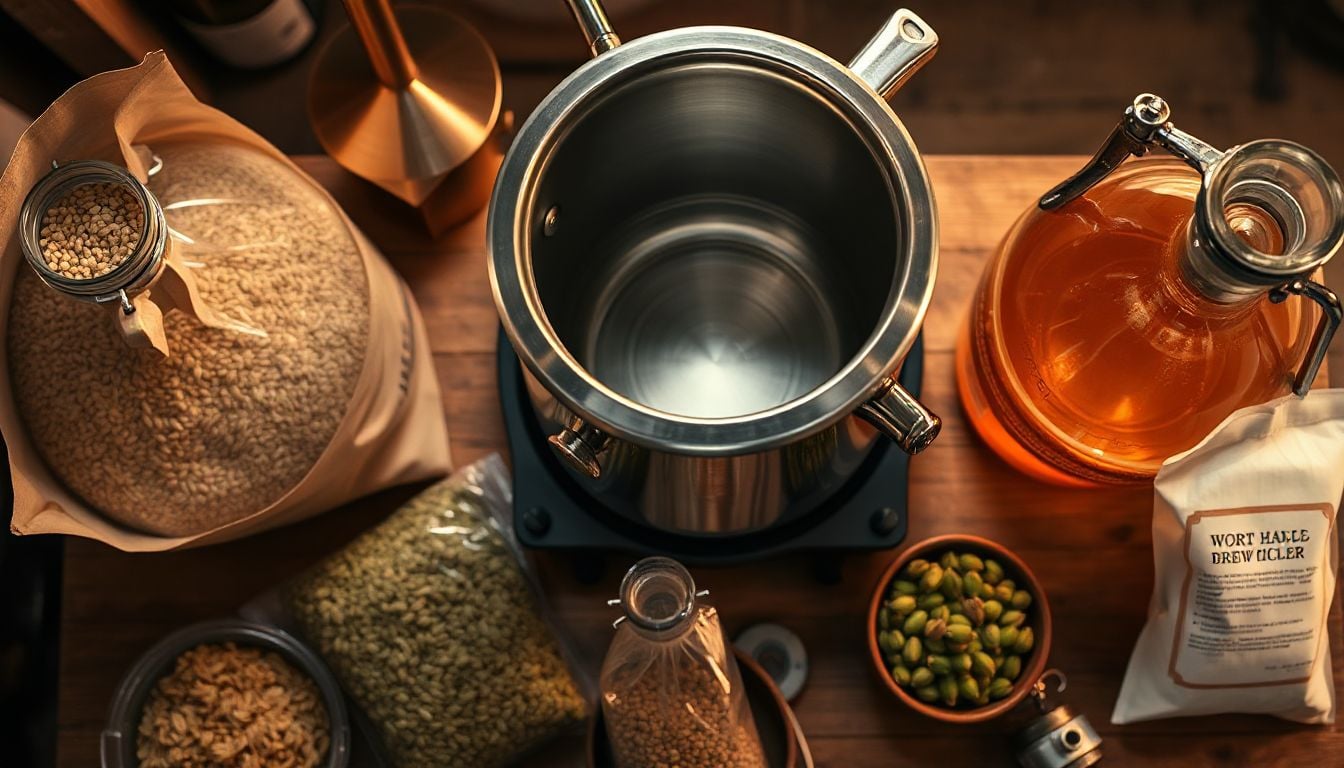
Most standard kits come with everything you need for the brew itself. You’ll get the malt extract, hop pellets, and yeast. Detailed brewing instructions are always included. Some kits even throw in a sanitizer pack or a simple thermometer. Before buying, always check the kit’s product description. Make sure it lists all the items you expect to find inside.
The Home Brewing Process: From Kit to Bottle (or Keg)
Essential Equipment: What You’ll Need
Beyond the home brew supplies kit, you’ll need a few key tools. A large fermentation vessel is a must. This could be a glass carboy or a plastic bucket. An airlock fits on top to let gas escape. You’ll also need a siphon to move your beer. A bottling wand makes filling bottles easy. Don’t forget cleaning supplies. A hydrometer helps you measure alcohol content. Many basic brewing starter kits include most of this equipment.
Sanitation: The Golden Rule of Home Brewing
Cleanliness is super important in brewing. It stops bad bacteria from ruining your beer. Off-flavors or spoiled batches often come from poor sanitation. Use a good sanitizer like Star San. It cleans without needing a rinse. Sanitize everything that touches your beer once it’s cooled down. This includes spoons, airlocks, and bottles. It truly makes a difference.
Fermentation: Patience is a Virtue
Once your yeast is pitched, fermentation begins. The yeast works hard, turning sugars into alcohol and CO2. Keep your fermenter at a steady temperature. This is important for good flavor development. You can use a hydrometer to check gravity readings. This tool tells you when fermentation is complete. Most ale kits finish primary fermentation within 7 to 14 days. Watch for bubbles in your airlock; this shows activity.
Packaging: Bottling or Kegging Your Creation
Now comes the fun part: getting your beer ready to drink. For bottling, you’ll add a small amount of priming sugar. This creates carbonation inside each bottle. Make sure to mix it well. If you have a kegging system, you can force carbonate your beer. This process is faster. Proper bottle conditioning takes time, usually 2-3 weeks. Store bottles at room temperature during this time.
Common Challenges and How to Overcome Them
Off-Flavors: Troubleshooting Your Brew
Sometimes, your beer might not taste quite right. Common off-flavors exist. Diacetyl tastes like butterscotch. Acetaldehyde tastes like green apples. These often come from issues with fermentation temperature. Too high or too low can stress the yeast. Fusel alcohols taste harsh and boozy. This can happen with very high fermentation temperatures. Keeping your fermenter cool and steady helps avoid these issues. Good yeast health also makes a big impact.
Carbonation Issues: Too Much, Too Little, or Just Right
Carbonation can be tricky. Flat beer means under-carbonation. Exploding bottles mean over-carbonation. Both are easy to fix in future batches. Under-carbonation often happens from not enough priming sugar or too cool bottle conditioning. Over-carbonation usually means too much priming sugar. Always measure your priming sugar carefully. Use an online calculator for exact amounts.
Home Brew Supplies Kit Variations: When Your Results Differ
Sometimes, your beer might not match the kit’s description perfectly. This is normal. Many things affect the final taste. The temperature in your brewing space matters. Your local water quality can change things. Even small differences in your process can alter the outcome. Don’t worry. Each brew is a learning experience. You will get better with every batch.
Conclusion: Your Craft Beer Journey Starts Now
Getting home brew supplies craft beer kits make brewing easy and fun. They let you create delicious beer without much hassle. With a good kit and careful attention, amazing craft beer is totally within your reach. Focus on good sanitation and follow the steps. You’ll soon be pouring your own signature brew. Can You Brew Beer at Home? Yes so what are you waiting for? Pick out your first home brew supplies kit today and begin your exciting brewing adventure.

Craft Your Passion
Brew at Home

Elevate Your Experience
Unique Kitchen Tools

Brew Your Own
Home Brewing Supplies

Wine Making Kits
