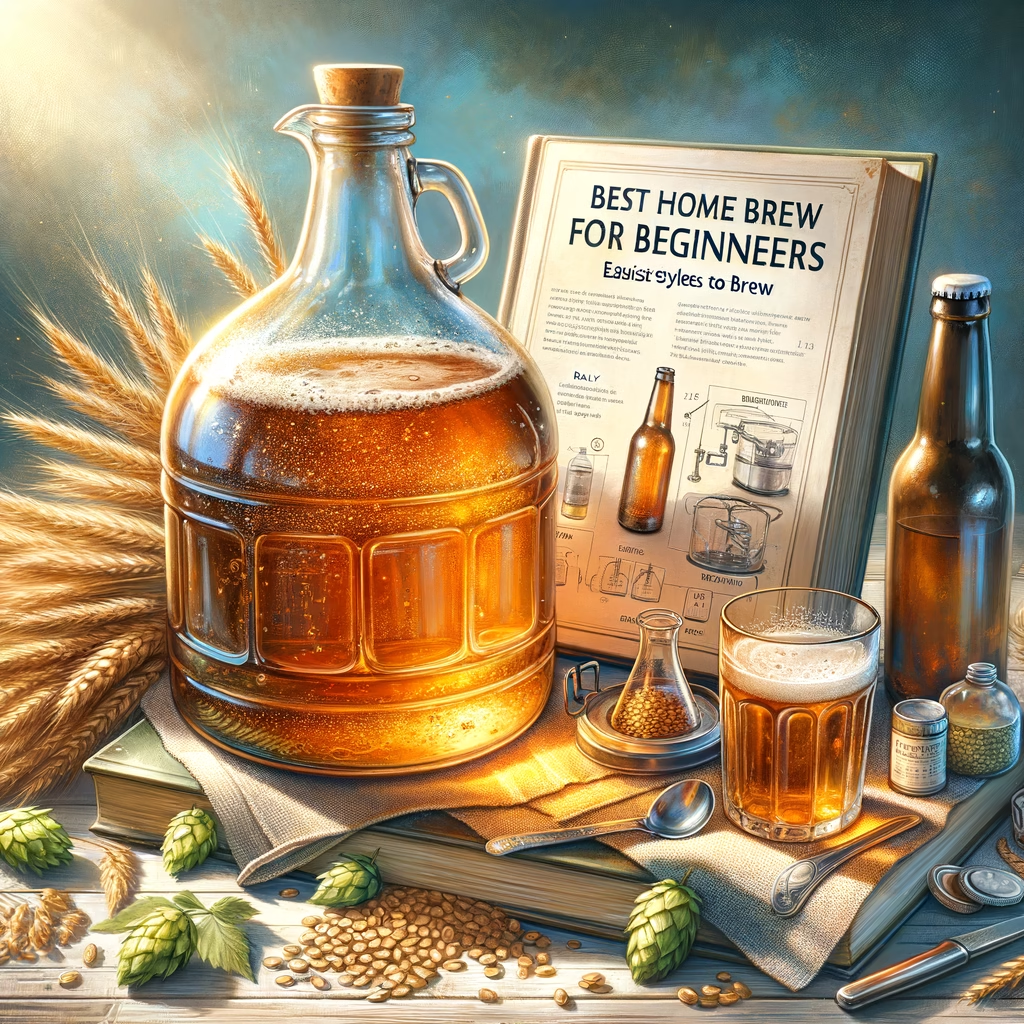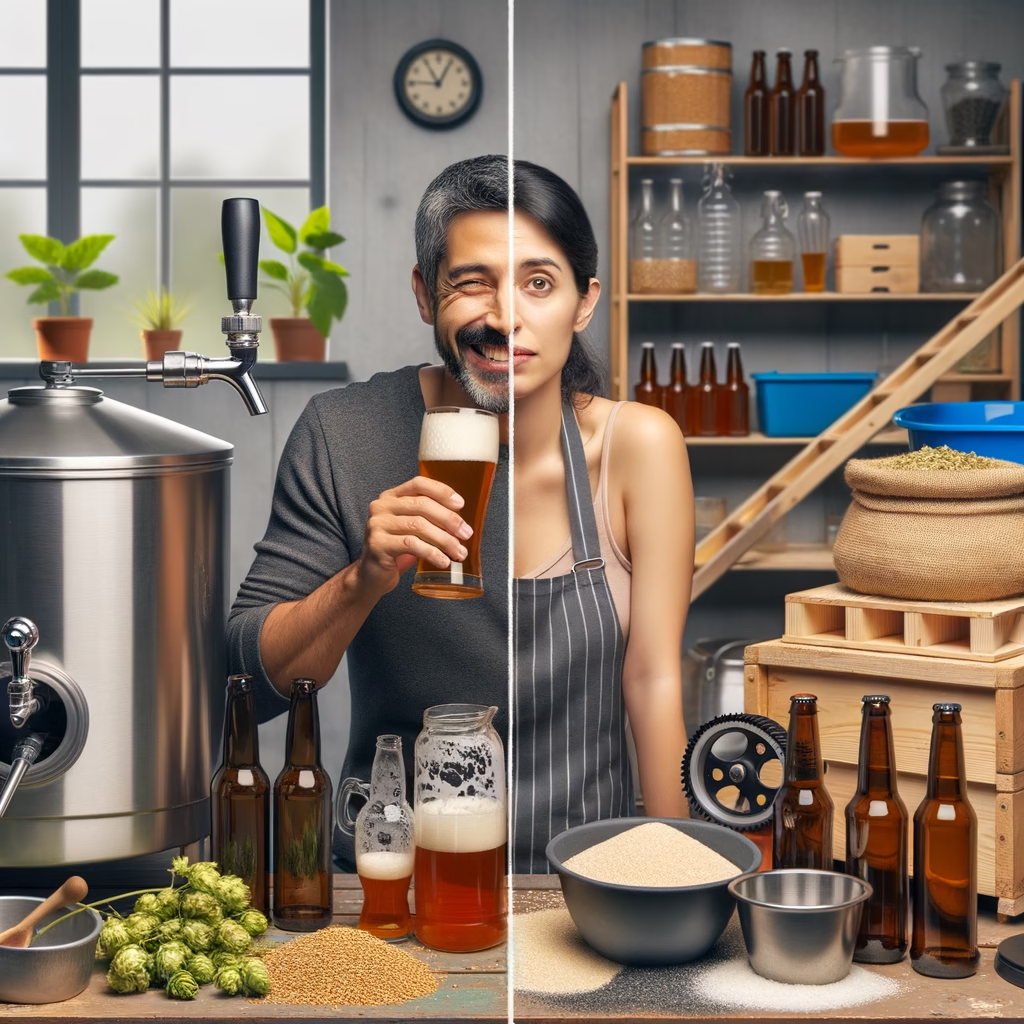
Welcome to the world of home brewed craft beer. Brewing success is for everyone. Let’s dive into the fun of making your own craft beer at home.
Brewing your own beer is getting more popular. It’s a fun and creative thing to do. We’ll share expert tips and craft beer recipes to help you succeed.
Key Takeaways
- Discover the ease of brewing your own craft beer at home.
- Explore expert tips for achieving brewing success.
- Learn about popular craft beer recipes to get you started.
- Understand the benefits of brewing your own beer.
- Find out how brewing at home can be a fun and rewarding hobby.
The Home Brewed Craft Beer Revolution: Why Brew Your Own?
Home brewing is becoming more popular as the craft beer scene grows. More people want to make their own beer. This change is making beer more exciting for everyone.
The Growing Popularity of Home Brewing in America
Home brewing has grown a lot in the last ten years. People love craft beer and want to try new things. They like making beer just the way they like it.
Benefits of Creating Your Own Craft Beer
Home brewing saves money in the long run. You need to buy equipment first, but it’s cheaper than buying beer. You can also try new things with your beer.
What to Expect on Your Home Brewing Journey
Starting to brew beer takes some money and learning. You’ll need things like a fermenter and ingredients. Knowing how to keep everything clean and how to ferment is key.
As you brew, you’ll enjoy making beer that you like. You can make many kinds of beer, like IPAs and stouts. Home brewing opens up a lot of possibilities.
Mastering the Art of Home Brewed Craft Beer
Learning to make home brewed craft beer is a fun journey. It mixes art, science, and passion. To make great beer, you need to know the basics of brewing.
The Four Essential Ingredients
The key to any good beer is its four main ingredients: hops, malt, yeast, and water. Each ingredient adds something special to the beer’s taste, smell, and feel.
- Hops add bitterness, flavor, and smell.
- Malt gives the sugars that yeast turns into alcohol.
- Yeast makes the beer ferment, creating alcohol and flavor.
- Water is the biggest part of the beer and affects its taste.
The Science Behind Fermentation
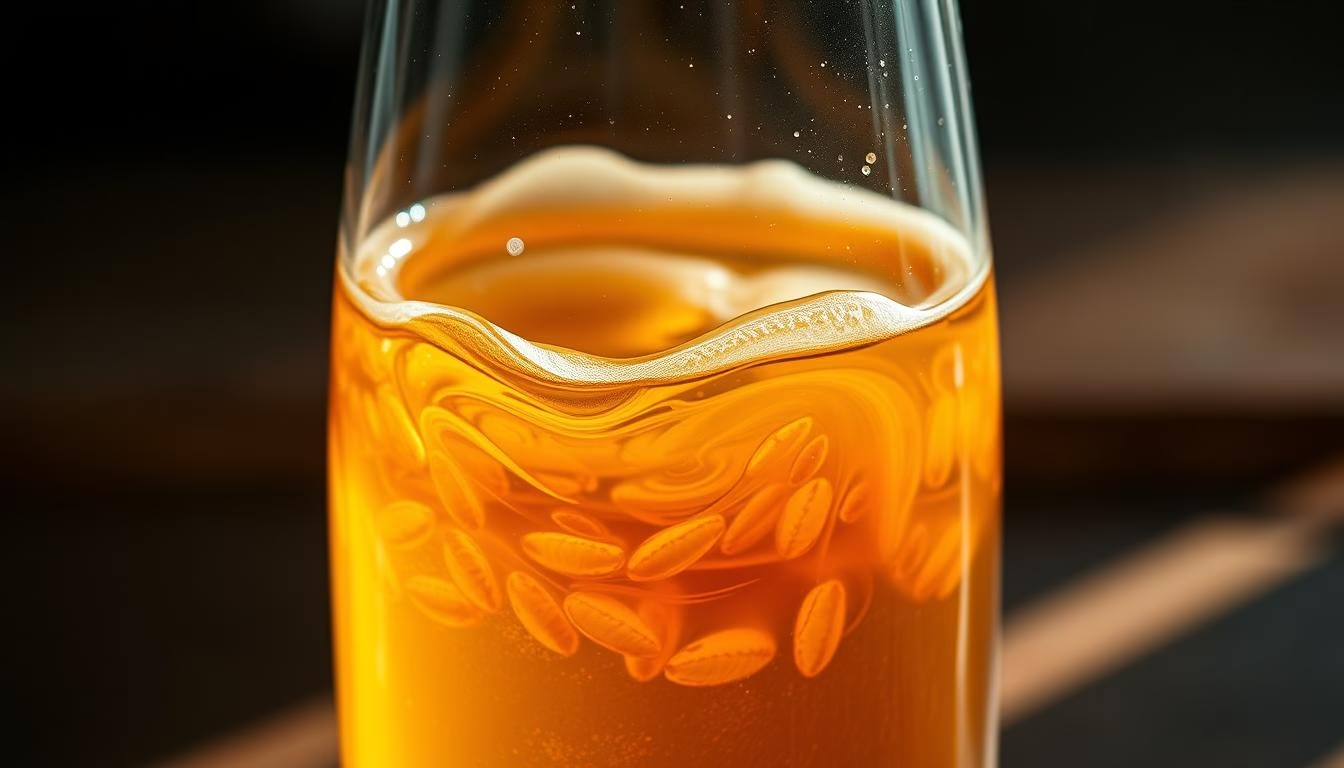
Fermentation is a key step in brewing. It’s when yeast turns sugars into alcohol and carbon dioxide. Knowing how fermentation works helps brewers make better beer.
Things like temperature, yeast type, and the wort’s specific gravity matter in fermentation. Getting these right is important for your beer’s taste and quality.
Different Styles of Craft Beer You Can Brew
Craft beer comes in many styles, like IPAs, stouts, sours, and lagers. Each style has its own taste and brewing needs.
| Beer Style | Characteristics |
|---|---|
| IPA | Hoppy, bitter, citrus flavors |
| Stout | Dark, roasted flavors, creamy texture |
| Sour | Tart, funky flavors, often with fruit notes |
By knowing the main ingredients, fermentation science, and different beer styles, home brewers can get better. They can make beer that’s as good as what you buy in stores.
Essential Equipment for Your Brewing Adventure
To make great beer, you need the right tools. Let’s look at what you need for brewing. It’s important to know the basics of brewing equipment.
Starter Kit vs. Individual Components
For beginners, a starter kit is a great start. These kits have everything you need to brew a batch of beer. This includes a fermenter, brew kettle, and ingredients.
But, as you get better, you might want to upgrade or customize your equipment. Buying each piece separately lets you tailor your brewing setup to your needs.
Some like the ease of a starter kit. Others enjoy picking out each piece. We suggest starting with a kit and then moving to individual pieces as you get more comfortable.
Must-Have Tools for Beginners
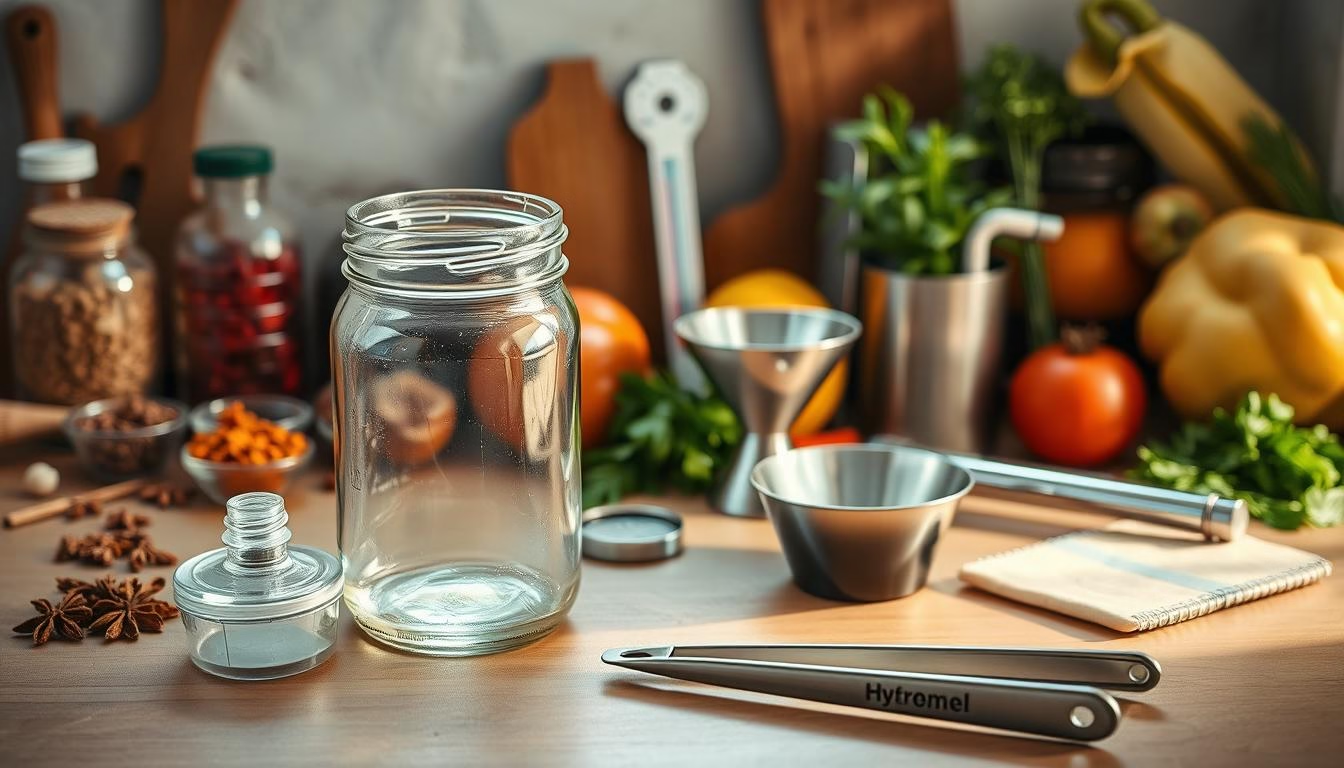
For beginners, there are key tools to consider. A good brew kettle is essential for boiling your wort. A fermenter is needed for fermentation.
Other must-haves include a hydrometer for measuring gravity, a siphon for transferring beer, and a racking cane for bottling.
- A brew kettle for boiling your wort
- A fermenter for fermentation
- A hydrometer for measuring gravity
- A siphon and racking cane for transferring and bottling beer
Advanced Equipment for Serious Brewers
As you get better, you might want to upgrade your equipment. Advanced brewers often get more complex brewing systems. This includes all-grain brewing setups or temperature control systems.
These upgrades can make your beer better and more consistent. Some serious brewers also get kegging systems for draft beer at home. Or more advanced fermentation temperature control systems.
In conclusion, the right brewing equipment is key for a successful home brewing adventure. Whether you start with a starter kit or individual pieces, knowing your equipment is crucial for brewing great beer.
Step-by-Step Guide to Brewing Your First Batch
Brewing your first batch of craft beer is exciting. You’ll learn the key steps to make your own tasty beer.
Preparation and Sanitization
First, get your equipment and workspace ready. Sanitization is key to keep your beer healthy. Use a sanitizer that’s safe for your gear and follow the instructions.
- Clean and sanitize all equipment that will come into contact with your beer.
- Prepare your ingredients according to your recipe.
- Ensure your brewing area is clean and free from potential contaminants.
The Brewing Process
The brewing process has several important steps. Each step helps make your beer taste good.
Mashing and Sparging
Mashing soaks grains in hot water to get sugars. This liquid is called wort. Sparging uses hot water to get more sugars from the grains.
Then, the wort is boiled. Hops are added to add bitterness, flavor, and aroma. Boiling also sterilizes the wort and extracts hop compounds.
“Hops are a crucial ingredient in beer, contributing to bitterness, flavor, and aroma. The timing of hop additions during the boil can significantly impact the final character of your beer.”
Cooling and Pitching Yeast
After boiling, cool the wort to a good temperature for yeast. This is important because hot wort can kill the yeast. Once it’s cool, add yeast to start fermentation.
Fermentation and Conditioning
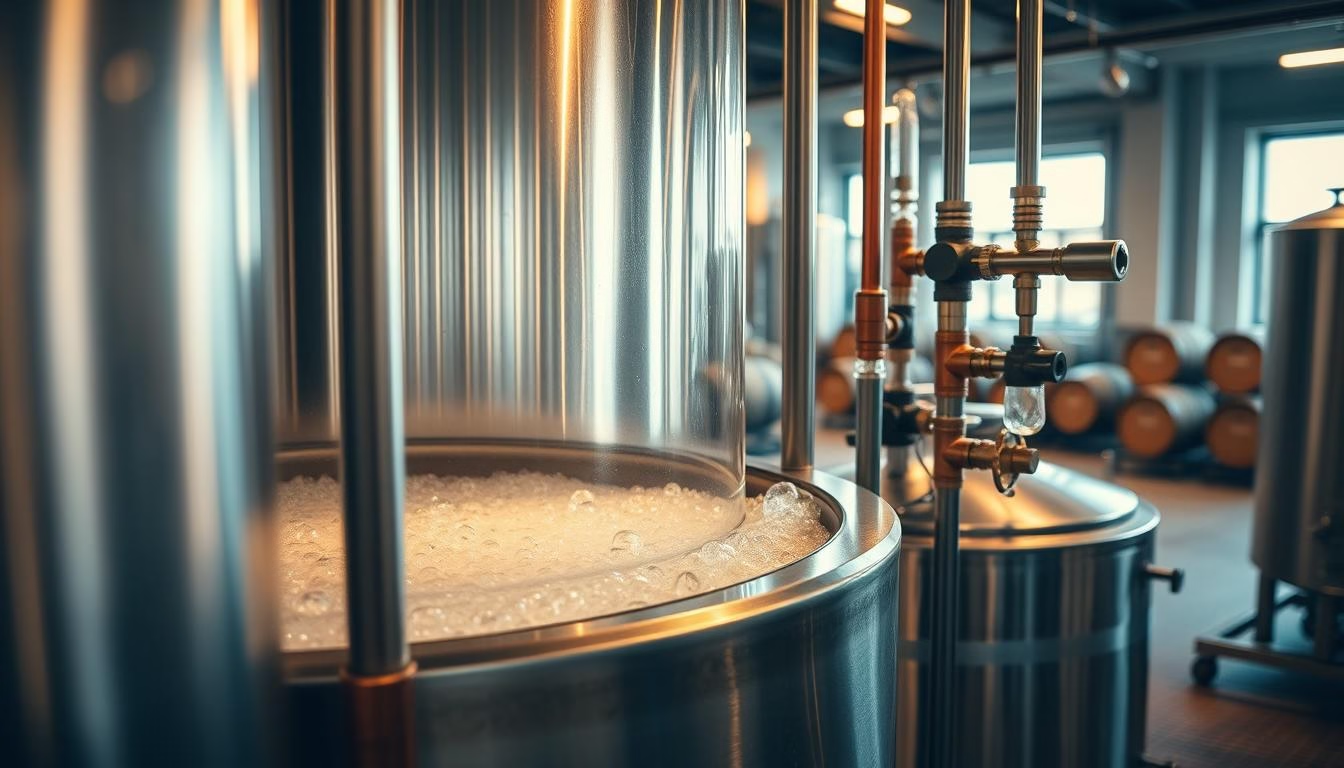
Fermentation turns sugars into alcohol and carbon dioxide. This takes 7-14 days, depending on the yeast and wort. After fermentation, the beer is conditioned to let flavors mature.
By following these steps, you’ll brew a tasty batch of beer. Remember, practice makes perfect. Don’t worry about initial setbacks or variations.
Crafting Perfect Recipes: From Ales to Lagers
Now that we know the basics of home brewing, we can start making beer recipes. This is where our love for brewing meets creativity. We can try different flavors and styles.
Beginner-Friendly Recipes
For new brewers, it’s best to start with easy recipes. Two great ones for beginners are the Classic American Pale Ale and the Simple Irish Stout.
Classic American Pale Ale
The Classic American Pale Ale is a good first choice. It has a nice mix of malt and hop flavors. You’ll need:
- Specific malts for a light color and crisp taste
- Hops for a citrus or pine flavor
- A clean-fermenting ale yeast
This recipe is simple and makes a refreshing beer.
Simple Irish Stout
The Simple Irish Stout is also great for beginners. It’s dark and has smooth, roasted flavors. You’ll need:
- Roasted malts for its flavor and color
- Flaked oats for smoothness
- A robust ale yeast for cooler temperatures
Intermediate Brewing Challenges
After some practice, try more complex recipes. The New England IPA and the Belgian Saison are good next steps.
New England IPA
The New England IPA is known for its hazy look and juicy hops. It needs careful hop balance and healthy fermentation.
Belgian Saison
The Belgian Saison is a dry, hoppy, and bubbly farmhouse ale. It requires the right yeast and fermentation temperatures.
Advanced Craft Beer Recipes
For the bold brewers, there are many advanced recipes. Try complex lagers and hybrid styles that mix different brewing traditions.
As we keep experimenting, we can make unique and tasty craft beers. Whether it’s ales, lagers, or something new, making perfect recipes is a fun and tasty journey.
Mastering Ingredients: The Soul of Your Brew
The art of brewing is all about the ingredients. Choosing the right hops, malts, yeast, and water is key. Each plays a special role in making your beer unique and tasty.
Selecting Quality Hops, Malts, Yeast, and Water
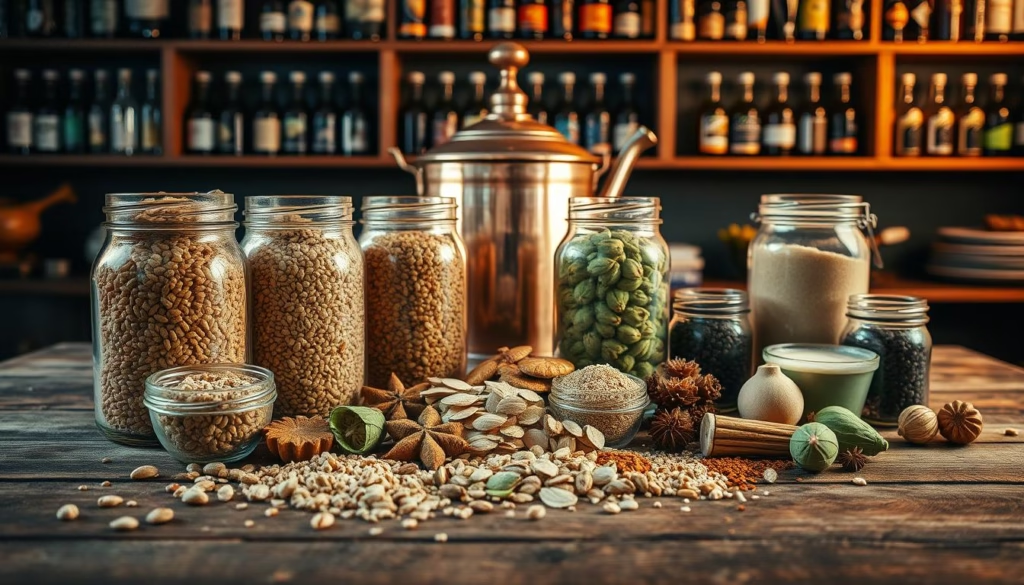
Good ingredients make great beer. Hops add bitterness, flavor, and smell. Malts bring sweetness, body, and color. Yeast ferments the beer, changing its taste and strength. And water is the biggest part, shaping the beer’s taste and quality.
Understanding Hop Varieties and Their Flavor Profiles
Hops are very important. They bring many flavors and smells to your beer. Knowing about different hops helps brewers get the right taste and smell in their beer.
Yeast Strains and Their Impact on Beer Character
Yeast does more than ferment the beer. It also adds to the beer’s taste and smell. Different yeast strains can make the beer taste fruity or spicy.
Water Chemistry Basics for Better Beer
Water is a big part of beer. Changing the water’s pH, hardness, and minerals can change the beer’s taste. The right water can make the beer’s flavors pop.
| Ingredient | Role in Brewing | Impact on Beer |
|---|---|---|
| Hops | Bitterness, flavor, aroma | Balance, character |
| Malts | Sweetness, body, color | Flavor, appearance |
| Yeast | Fermentation | Character, ABV |
| Water | Bulk content | Taste, quality |
Bottling, Kegging, and Storing Your Liquid Gold
As we near the end of our brewing journey, it’s time to consider the final stages. These include bottling, kegging, and storing our home-brewed beer. The way we handle these steps can significantly impact the quality and taste of our final product.
The Bottling Process
Bottling is a traditional method for packaging home-brewed beer. It requires careful attention to detail. This ensures proper carbonation and avoids contamination.
To start, we’ll need to prepare our bottles by thoroughly cleaning and sanitizing them. Then, we’ll add the appropriate amount of priming sugar to our beer. This sugar helps with carbonation. The beer is then bottled, and the caps are secured tightly.
“Bottling is an art that requires patience and attention to detail,” says renowned brewer, John Palmer. “The key is to be gentle and methodical. This avoids introducing oxygen into the beer.”
Kegging Options for Home Brewers
Kegging offers a convenient alternative to bottling. It allows for easier serving and potentially less waste. Home brewers can choose between using a Cornelius keg or a more modern kegging system.
Kegging requires a CO2 tank to carbonate the beer. It also helps push the beer out of the keg for serving. This method allows for more control over carbonation levels. It can be more efficient for larger batches.
Proper Storage Conditions
Proper storage is crucial, whether we choose to bottle or keg our beer. The storage area should be cool, dark, and free from vibrations.
The ideal storage temperature varies depending on the type of beer. It generally falls between 50°F to 60°F (10°C to 15°C). This helps slow down the aging process and preserve the beer’s flavor.
Aging and When to Drink Your Beer
The aging process can significantly impact the flavor and character of our beer. Some beers benefit from extended aging, while others are best consumed fresh.
As a general rule, ales tend to be ready sooner than lagers. We should always check the specific recommendations for the style we’re brewing. This determines the optimal time to enjoy our beer.
By carefully managing the bottling, kegging, and storage processes, we can ensure that our home-brewed beer is enjoyed at its best. Whether we’re sharing with friends or savoring a pint alone, the reward of home brewing is well worth the effort.
Troubleshooting Common Home Brewing Challenges
Home brewers face many challenges. But, with the right help, we can solve them. Problems like fermentation issues, off-flavors, and carbonation problems can be fixed by finding the cause.
Fermentation Issues and Solutions
Fermentation is key in brewing. Issues here can ruin a batch. Slow or stalled fermentation often comes from wrong yeast, bad temperature, or unhealthy yeast.
Keep things clean, use fresh yeast, and control the temperature well. This helps avoid these problems.
Identifying and Fixing Off-Flavors
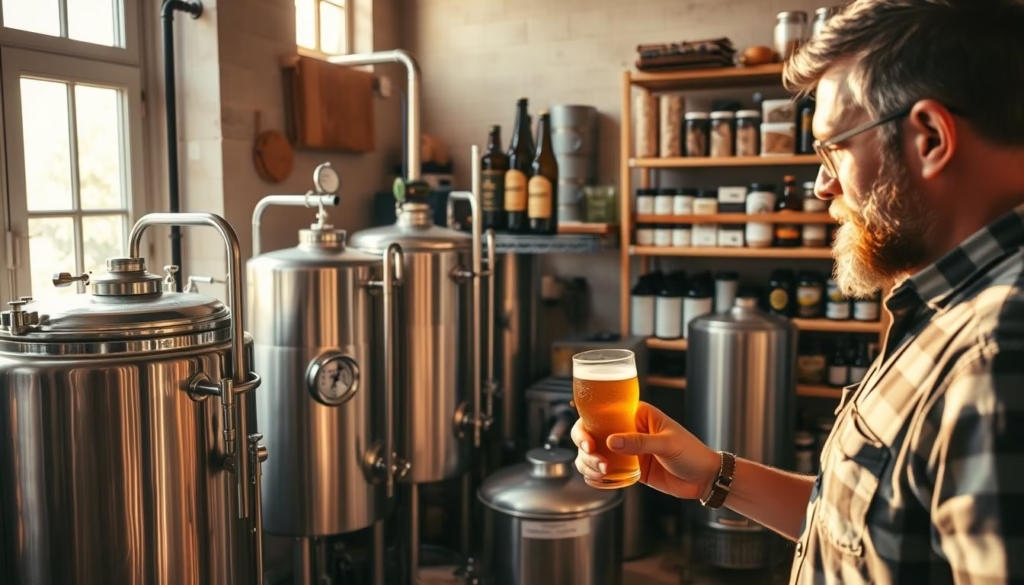
Off-flavors can spoil a good beer. They come from contamination, oxidation, or wrong ingredient amounts. Keep things clean, handle ingredients carefully, and measure them right.
Carbonation Problems
Too much or too little carbonation can change a beer’s taste. Use the right amount of priming sugar and store it well. This helps get the carbonation just right.
Clarity and Appearance Improvements
A clear beer looks good and tastes better. Clarity problems can be fixed with the right fining, cold conditioning, and careful handling. This keeps the beer clear.
| Issue | Cause | Solution |
|---|---|---|
| Fermentation Issues | Incorrect yeast pitching, poor temperature control | Ensure proper sanitation, use fresh yeast, maintain optimal temperatures |
| Off-Flavors | Contamination, oxidation, improper ingredient ratios | Regular sanitation, minimize oxidation, precise ingredient measurement |
| Carbonation Problems | Incorrect priming sugar, improper storage | Use correct priming sugar amount, maintain proper storage conditions |
Conclusion: Celebrating Your Brewing Success
We’ve reached the end of our journey in home brewed craft beer. We celebrate the success of those who have tried this fun hobby. Making great beer is not just about the taste. It’s about the fun, trying new things, and sharing with friends.
We talked about what you need to brew beer at home. We covered how to ferment and solve problems. Now, it’s time to enjoy your beer and share it with loved ones.
Keep trying new things as you brew more beer. The world of craft beer is always changing. By sharing your success, you inspire others and help grow the home brewing community.
FAQ
What is the best way to start brewing craft beer at home?
Start with a beginner kit. It has what you need like a fermenter and brew kettle. This helps you begin your brewing adventure.
What are the four essential ingredients in brewing craft beer?
The key ingredients are water, malted grains, hops, and yeast. Each adds to the beer’s taste, smell, and character.
How do I choose the right yeast strain for my brew?
Pick yeast based on the beer style and flavor you want. Different yeasts give unique tastes to your beer.
What is the ideal temperature for fermentation?
Ferment ales at 65°F to 75°F and lagers at 45°F to 55°F. Keep the temperature right for the yeast to work best.
How long does it take to brew a batch of craft beer?
Brewing takes 2-4 hours. But, the whole process can take weeks to months, depending on the beer.
What are some common issues that can affect the quality of my brew?
Issues like fermentation problems and off-flavors can happen. Check your gear, keep it clean, and watch your brew closely.
Can I brew craft beer without a starter kit?
Yes, you can buy parts separately. But, a starter kit is easy and affordable, with everything you need.
How do I store my home-brewed beer?
Keep it in a cool, dark spot, 35°F to 55°F. This helps keep the flavor and aroma fresh.
What is the difference between bottling and kegging?
Bottling fills glass bottles, while kegging uses a pressurized keg. Your choice depends on what you like and what you have.
How do I achieve the perfect carbonation level in my beer?
Use sugar for bottling or adjust CO2 for kegging. The right level changes with the beer style.
Up Next – Recipes for Home Brewed Craft Beer