You remember the first time you followed a simple recipe and felt proud? That same surprise can happen when you decide to start craft beer making. This guide meets you at that moment curious, a little nervous, and ready to learn.
I’ll walk you through a clear, science-backed path from gear to glass. Think steep, boil, cool, transfer, ferment, bottle each step has a reason and a result. You’ll learn why water, malt, hops, wort, and yeast matter and how small choices change flavor and clarity.
Home brewing doesn’t require a lab. A kettle, fermenter with airlock, sanitizer, and a simple auto-siphon are enough to start craft beer making. Kits bundle tools and pre-measured extract so you can focus on technique and temperature control.
By the end of this section you’ll see the process as a set of manageable steps and know how to avoid common pitfalls. Ready to set your equipment and start craft beer making confidence?
Key Takeaways
- You can make beer at home with a basic kit and a few tools.
- Follow the steps: steep, boil, cool, transfer, ferment, bottle.
- Sanitation and temperature control make the biggest difference.
- Understand wort, hops, and yeast to manage flavor and stability.
- Simple upgrades help, but a modest setup works well for starters.
Why Brew at Home: The What and Why of Craft Beer Making
Brewing at home gives you control over every ingredient and each step of the process. You can choose water profile, malt color, hops variety, and yeast strain to shape the final taste.
Start simple or go all-in. Extract brewing shortens the path to fermentation, while all-grain opens deeper control over mash and grain bills. Both approaches teach useful skills.
Modern tools hydrometers and digital thermometers let you track gravity and temperature. That control improves mash conversion and guides fermentation so results are repeatable.
The benefits go beyond flavor. You save money over time and access seasonal or rare styles. You also sharpen senses smelling hot break, tasting wort balance, and noticing mouthfeel changes from different grains.
- Control flavor: dial in water, malt, hops, and yeast to suit your palate.
- Learn science: temperature and timing change sugar extraction and aroma.
- Repeatable results: log gravity and temperature to refine your wort and fermentation.
Essential Brewing Equipment for Home Success when craft beer making
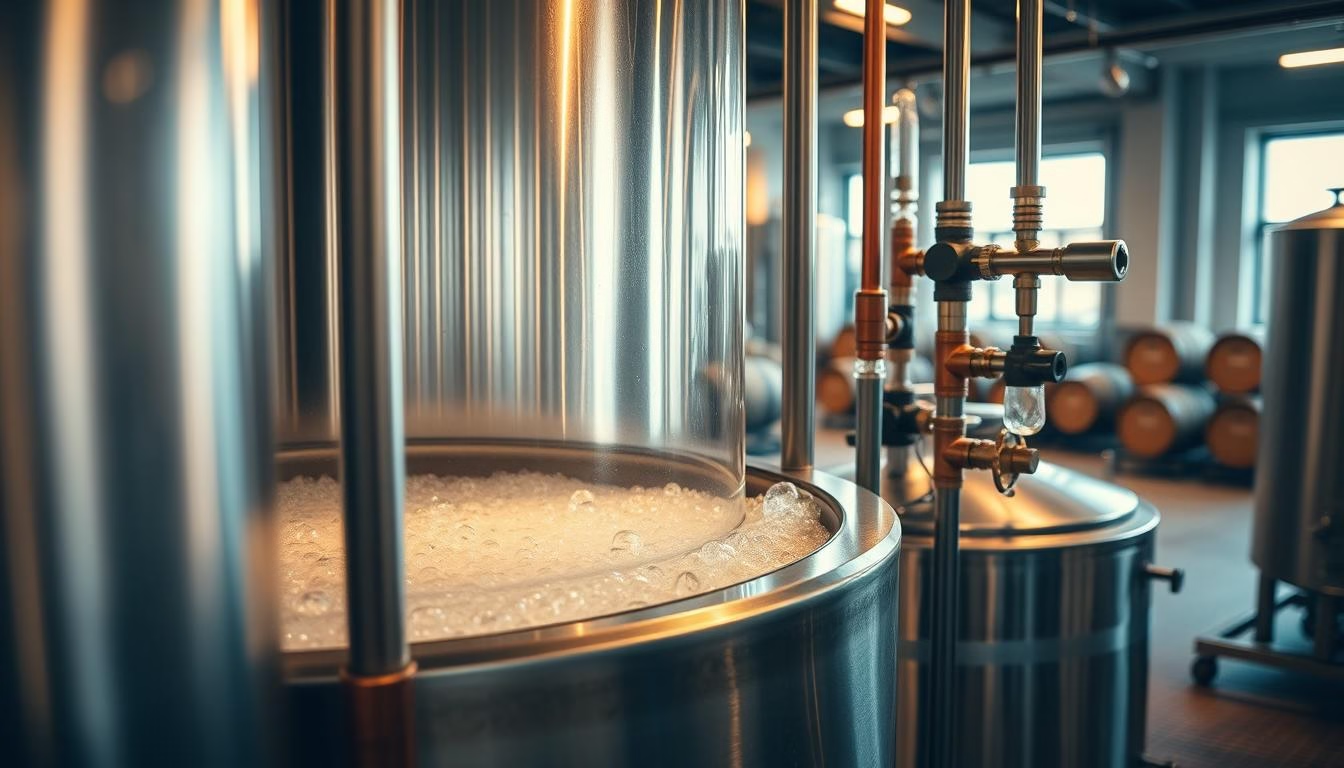
Picking the right tools makes each step of brewing and craft beer making easier and more reliable. Start with a kettle sized for a vigorous boil and a food-safe fermenter with an air lock. These two pieces form the backbone that converts sweet wort into finished beer.
Core gear you need
Must-haves: a brewing kettle, a fermenter with an air lock, sanitizer, an auto-siphon, and a sturdy stir spoon. An extract recipe kit can get you on the brew path fast. Choose a kettle with a valve if you want easier, spill-free transfers into your fermenter.
Helpful extras that speed the process
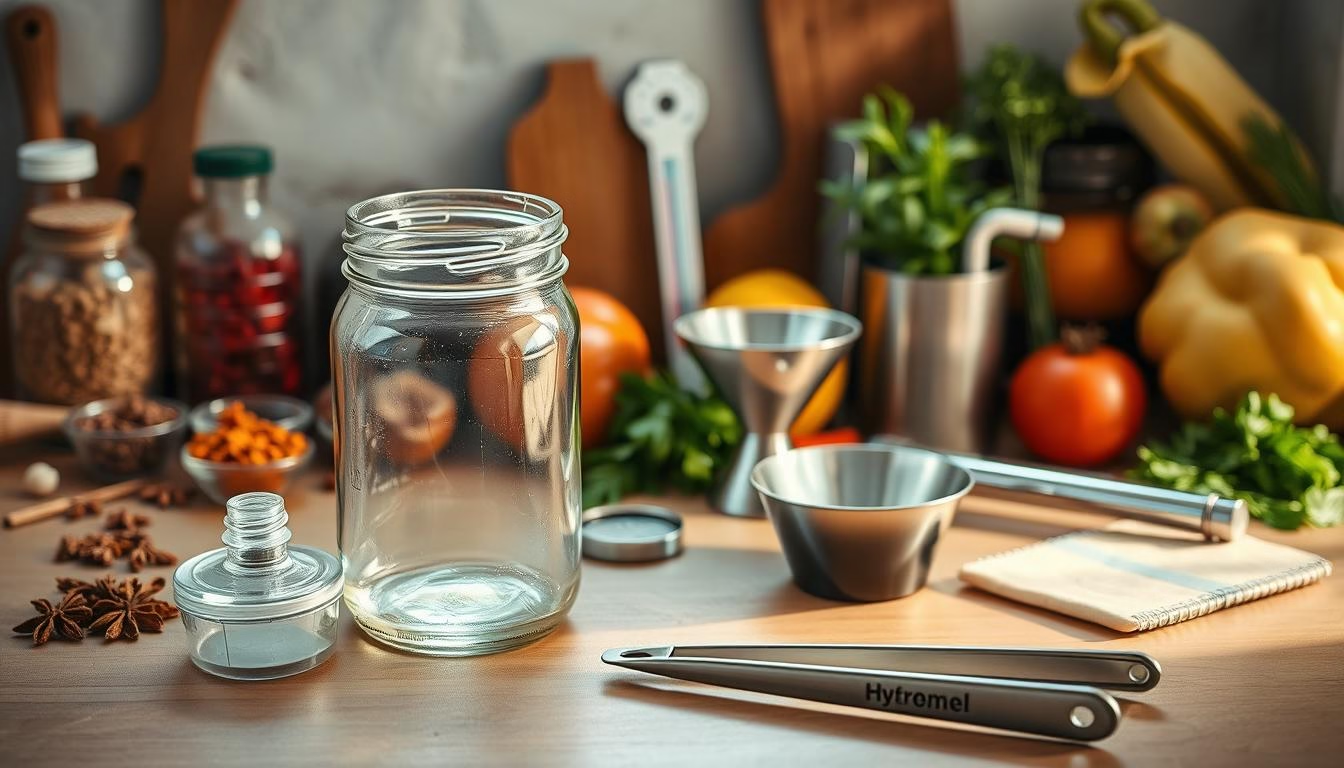
A bottling bucket and bottle filler make bottling precise and tidy. A hydrometer confirms process milestones by measuring gravity before fermentation and before bottling. A wort chiller and funnel save time and reduce oxygen pickup at transfer.
All-in-one kits and workflow tips
All-in-one brewing equipment kits bundle core items and matched ingredients so you shop less and learn faster. Place gear to suit your home: sink access for chill water, counter space for heat, and a cool corner for the fermenter. Prioritize upgrades that improve cooling and temperature control first these give the biggest quality boost.
- Start with a kettle for a rolling boil and a food-safe fermenter with an air lock.
- Use an auto-siphon to move beer off the bottom trub cleanly; add a bottling bucket for filling.
- Sanitizer is non-negotiable spray lid fittings and any container that touches cooled wort.
Sanitize, Sanitize, Sanitize: Clean Gear, Clean Beer
Think of sanitation as the invisible recipe step that protects every batch you brew. Anything that touches cooled wort can change flavor fast. So make sanitation your habit before cold-side work begins.
What to sanitize and when
The golden rule of craft beer making: anything that contacts wort after the boil must be sanitized. That list includes the fermenter, air lock, siphons, hoses, funnels, bottling tools, bottles, caps, and scissors used on yeast packs.
Keep a spray bottle of sanitizing solution at your station. If a tool touches a counter or your hands, spray it. Replace soft tubing when it clouds or smells tubing can hide residues and ruin fermentation.
Using PBW and Star San effectively
Clean first with PBW to remove soils, then sanitize with Star San. These are two distinct steps both matter.
Mix Star San to the recommended strength and give parts the proper contact time. Foam is normal let items drip-dry in a clean place.
| Product | Primary role | When to use | Key benefit |
|---|---|---|---|
| PBW | Cleaner | After brew day, before sanitizing | Removes organic soils and residue |
| Star San | Sanitizer | Just before cold-side transfers | Fast contact time; no rinse needed |
| Routine | Workflow | Every transfer and bottling | Reduces contamination risk, protects fermentation |
- Sanitize scissors and yeast pack exteriors before opening to keep wild microbes out of your yeast.
- Don’t forget small parts: grommets, spigots, and siphon tips are common trouble spots.
- Make a routine: consistent cleaning and sanitizing is the single biggest lever you control for bright, clean beer.
Understanding Your Ingredients: Water, Malt, Hops, and Yeast
Ingredients set the stage water, malt, hops, and yeast each steer flavor and texture. Think of them as teammates: each plays a role in the final pint. Small tweaks ripple through the entire brewing process and the fermentation outcome.
Water minerals and how they affect flavor
Water is the base of every batch. Regional mineral profiles suit different styles hard water favors stouts while soft water suits pale lager.
Sulfate can sharpen hop bitterness. Chloride rounds malt sweetness. Consider Burtonisation (adding gypsum) for hop-forward ales.
Malt and extract basics for beginners
Malted barley supplies enzymes that turn starch into sugar in the wort. Kilning time and heat set color and toast notes.
For extract brewers the extract encodes the grain bill focus on hop timing, yeast selection, and fermentation control.
Hops for bitterness, aroma, and preservation
Hops add bitterness through alpha acids and aroma via hop oils. They also improve shelf life and head retention.
Yeast strains and fermentation profiles
Yeast is the flavor engine: Saccharomyces cerevisiae (ale) ferments warmer and often makes fruity esters. Saccharomyces pastorianus (lager) prefers cool temperatures and gives a clean finish.
| Ingredient | Primary role | Practical tip |
|---|---|---|
| Water | Mouthfeel, balance | Match sulfate/chloride to your target style |
| Malt | Body, color, fermentable sugar | Base malt supplies enzymes; darker malts add roast |
| Hops | Bitterness, aroma, preservation | Use early hops for bitterness, late hops for aroma |
| Yeast | Fermentation profile, flavor | Choose strain for temp range and ester profile |
- Proteins from wheat or other grains help head retention.
- Think in systems change water or malt and the fermentation results shift.
- Beginners using extract should practice yeast handling and temperature control first.
Extract Brewing Steps: From Steeping Grains to Fermentation
Begin your extract batch by treating specialty grains like tea gentle heat and timing matter.
Steep specialty grains for about 20 minutes or until the water reaches 170°F. Remove the bag and let it drip over the kettle. Do not squeeze the grains squeezing pulls tannins and harsh flavors into the wort.
Adding extract and hops
Bring the kettle to a rolling boil. Take it off the heat before stirring in malt extract so it dissolves without scorching. Then return to a controlled boil and follow your hop schedule.
Watch for foam when hops are added. Keep a spray bottle of water and lower the heat to prevent boil-overs that waste wort and hops.
Cool, transfer, and pitch
After flameout, cool wort quickly with an ice bath or chiller to protect aroma and reduce infection risk. Transfer to a sanitized fermenter and top up to your target level (usually 5 gallons).
Aerate by splashing or stirring yeast need oxygen to build healthy cell walls. Sanitize the yeast pack and scissors, open carefully, and pitch dry yeast. Seal the fermenter with an air lock and store it at about 68°F for clean fermentation.
- Steep to 170°F, don’t squeeze the bag.
- Add extract off the heat to avoid scorching.
- Follow hop timing for bitterness and aroma.
- Cool wort fast, transfer, aerate, and pitch yeast.
The Boil: Time, Heat, and Hop Scheduling
A controlled, rolling boil is the brewing pivot that turns sweet wort into a stable base for fermentation. It stops enzymatic activity, sterilizes the wort, encourages a hot break, and isomerizes hop resins so bitterness extracts predictably.
Rolling boil goals and heat control
Keep a steady, vigorous boil enough to convert alpha acids and to form a clear hot break. Control the heat so the boil is energetic but not violent; that prevents scorching and large losses from boil‑over.
Hop timing and flavor layering
Schedule hops with intent: a 60‑minute addition gives bitterness, mid‑boil additions bring body and flavor, and late additions lock in aroma that rises to the top.
“Late hop additions preserve aroma; watch for boil‑over risk when adding hops.”
- Use a larger kettle or anti‑foam when high hop charges are expected to limit nucleation and foaming.
- A full boil also drives off DMS and other volatiles your final pint will taste cleaner.
- After flameout, let trub settle to the bottom; transferring clearer wort yields brighter results.
Balance malt sweetness by shifting hop timing, not just weight. Small timing changes change perceived bitterness and the way your malt and hops play together.
Cooling the Wort Quickly and Safely
Cooling the hot wort fast protects fragile hop aroma and sets up a clean fermentation. Do it right and you lock flavor, reduce infection risk, and hit the target temperature for yeast.
Ice bath method using cold water
An ice bath is simple and effective. Place the covered kettle in a sink or tub filled with cold water and ice. Gently swirl the kettle to speed heat transfer.
Keep the lid on to limit airborne contamination. Avoid splashing until the cooled wort reaches pitching range.
Wort chiller options with cold water flow when craft beer making
Immersion chillers are easy: drop sanitized coils into the boil for the last 10 minutes, then run cold water through them to strip heat quickly.
Plate chillers move hot wort through plates against a counter-flow of cold water for fast, compact cooling. Both systems use cold water to cut time and tighten the cold break.
- Rapid chilling shortens the time wort sits in the bacterial danger zone.
- Target pitching temperature fast for brighter, clearer results.
- Use a gentle whirlpool, let trub settle, then transfer cleaner wort to the fermenter.
Craft Beer Making Yeast, Oxygen, and Pitching Techniques
How you introduce yeast to cooled wort determines flavor, activity, and clarity. This short window sets the fermentation trajectory for your batch.
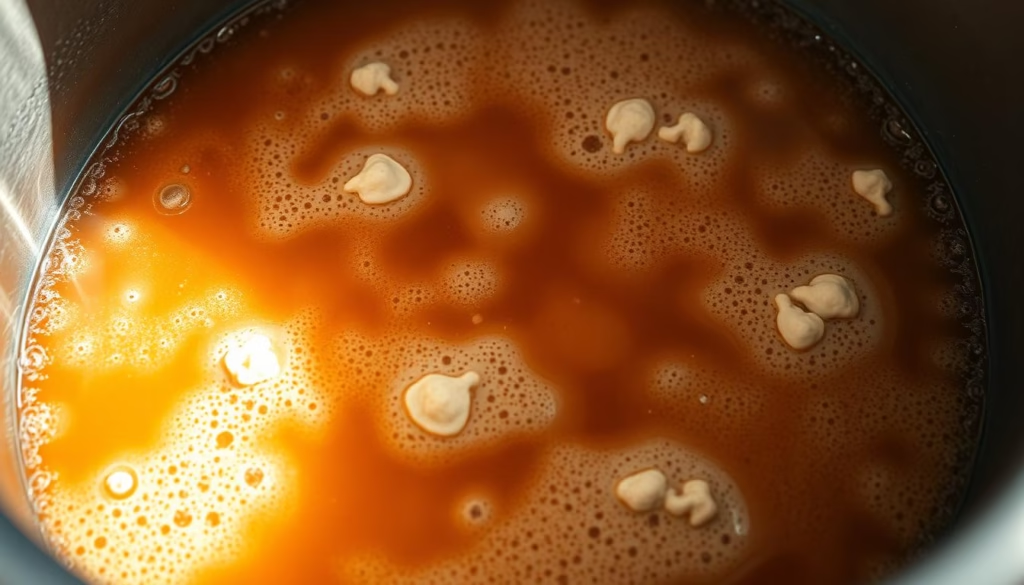
Why cooled wort and aeration matter
Pitch into cooled wort. High temperature damages yeast cell membranes and can create off-flavors. Check the temperature with a sanitized thermometer before you add yeast.
Oxygen matters at the start. Shake or splash the wort to dissolve air so yeast can synthesize sterols and build strong cell walls. Weak yeast lead to sluggish fermentation and odd flavors.
“Give yeast a clean, cool home and a little air early it’s the difference between a slow starter and a healthy ferment.”
Dry yeast handling and sanitation tips
For dry yeast craft beer making, sanitize scissors and the pack. Cut the corner and pour directly into the fermenter. It’s simple, low-risk, and consistent for beginners.
Sanitize any container, cap, or tool that touches wort. Close the fermenter and fit an air lock so CO2 escapes but air and microbes stay out.
- Pitch into cooled wort to protect viability and avoid off-flavors.
- Aerate by splashing to provide oxygen for early growth.
- Sanitize the yeast pack, snip, and pitch dry yeast directly for reliable results.
- Store the fermenter in a dark, cool spot about 68°F for ales to reduce stress on yeast.
- Remember: yeast convert sugar from grain into alcohol carbon dioxide and many flavor compounds control the start to control the finish.
Fermentation Control: Temperature, Time, and Space
Control the space around your fermenter and you control the direction of fermentation. Keep things steady and simple: temperature, placement, and patience matter more than gadgets.
Ideal temperature and placement
Ales do best near 68°F. That temperature keeps yeast healthy and limits solventy off-flavors while the wort becomes beer.
Put the fermenter in a cool, dark room. Darkness prevents light‑struck flavors and steady air keeps temperature swings low.
Timeline, activity, and signs of completion
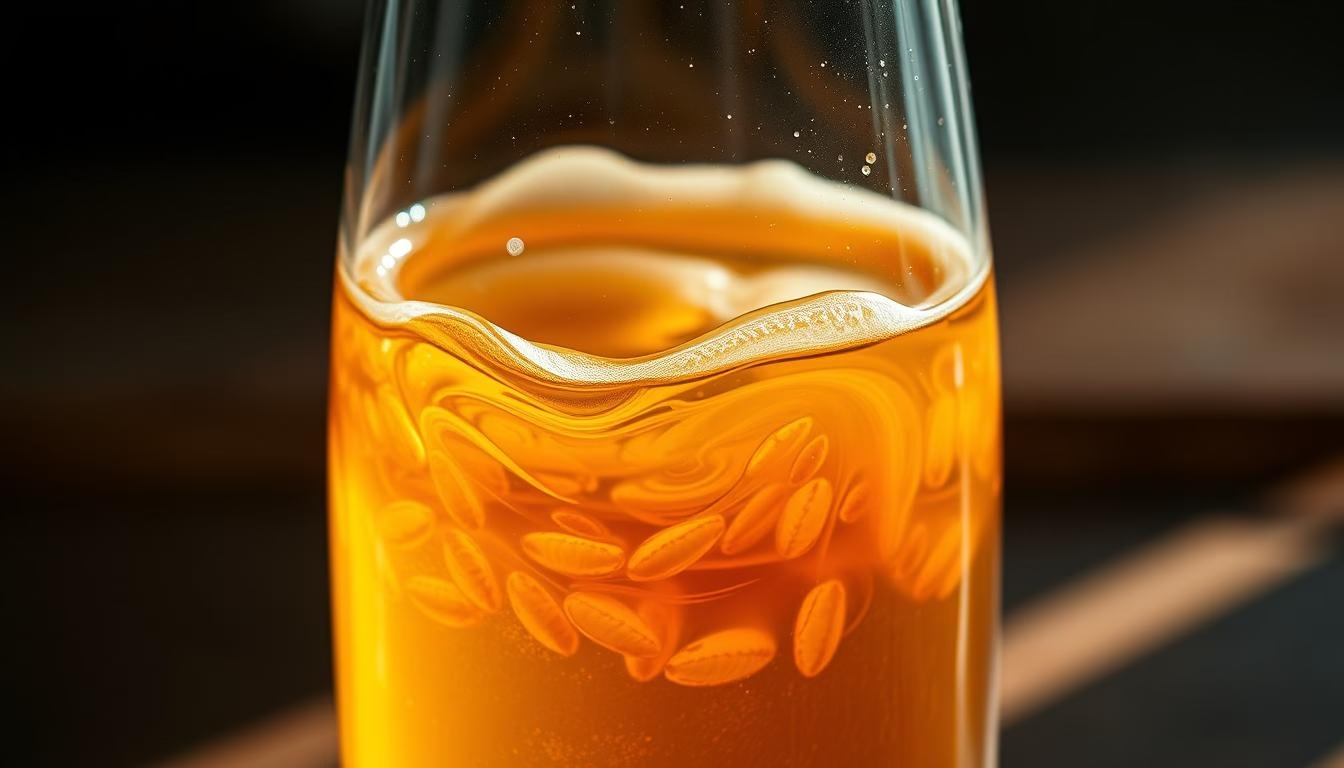
Expect vigorous activity for a few days as alcohol carbon dioxide production peaks. Foam and fast bubbling mean yeast are active and healthy.
After the initial phase, activity slows. Over the next week yeast clean up byproducts and settle. Don’t rush transfers yeast keep working even when bubbles slow.
Use a hydrometer to confirm final gravity stable readings on separate days mean it’s safe to package.
- Control temperature to control flavor many ale strains prefer ~68°F.
- Give the fermenter headroom and a drip‑safe space CO2 and foam can be vigorous early.
- Avoid moving the vessel so sediment stays undisturbed and clarity improves.
| Stage | Typical span | Key sign |
|---|---|---|
| Active fermentation | 1–4 days | Rapid bubbling, krausen formation |
| Slow conditioning | 1–2 weeks | Reduced bubbles, clearer beer |
| Final check | Separate days | Stable hydrometer reading at expected level |
Primary vs. Secondary Fermentation and Conditioning
Most batches benefit from patience letting the yeast finish their work in primary often keeps things simple and clean.
Primary fermentation does the heavy lifting. Yeast consume sugars, create alcohol, and drop out as sediment. Leaving beer in the primary fermenter for extra time often yields clear, stable results without a risky transfer.
So when should you use secondary fermentation? Reach for a second vessel when you plan additions hops, fruit, or wood or when you need long, bulk aging off the yeast. Secondary helps separate delicate additions from the trub and can produce a brighter final profile.
“Use secondary fermentation only when the recipe or long conditioning justifies the transfer.”
- Primary handles most of the fermentation and conditioning work.
- Use secondary for additions or for big, high‑ABV batches that benefit from extended time off the sediment.
- Transfers carry risk sanitize well and limit oxygen exposure when racking to a second fermenter.
- Racking too early can stall activity; wait until the yeast have mostly finished their job.
- If you bottle condition, remember the bottle acts as a small secondary vessel, adding carbonation and flavor melding over time.
Bottling Day: Priming Sugar, Transfers, and Capping
Bottling day ties the whole fermentation process together handle it with calm and a checklist.
Sanitize everything that touches your beer. Clean bottles, caps, the bottling bucket, spigot, filler, and hoses. Use a bottle brush where needed. Treat this as cold-side work no shortcuts.
Boil 2/3 cup priming sugar (or your recipe amount) in 16 oz of water. Cool the syrup and pour it into the sanitized bottling bucket first.
Gentle transfer and mixing
Siphon beer from the fermenter slowly onto the priming solution. Let the beer flow on top to mix without splashing. Avoid oxygen pickup exposure now can create stale flavors.
Filling and headspace
Fill from the bottom using a spring-tip filler. When you lift the wand the right top headspace remains about one inch is typical for a 12 oz bottle. Cap quickly with sanitized caps and check each crimp for a snug seal.
- Label and date each bottle to track conditioning days and serving plans.
- If you skipped secondary fermentation, don’t worry careful racking and clean equipment still make clear, tasty beer.
- Store bottles at room temperature for about two weeks to carbonate, then chill before serving.
| Step | Key action | Why it matters | Typical timing |
|---|---|---|---|
| Sanitize | Bottles, caps, filler, bucket | Prevents infection and off-flavors | Before transfer |
| Priming | Boil sugar in 16 oz water, cool | Even carbonation, dissolves sugar | Prepare before racking |
| Transfer | Siphon gently onto syrup | Minimizes oxygen pickup | Single transfer, 10–20 min |
| Fill & cap | Bottom-fill, cap securely | Correct headspace and seal | Cap immediately after filling |
Carbonation, Storage, and Cold Crashing
The last days after bottling are small but critical: they finish carbonation and polish clarity.
After bottling, keep your bottles at room temperature for about two weeks so yeast can convert the priming sugar into CO2. This step creates natural carbonation and sets the final mouthfeel.
Room-temperature conditioning for two weeks
Store bottles upright in a warm, stable spot for roughly fourteen days. The yeast need that time and mild warmth to carbonate each bottle evenly.
If a batch is undercarbonated at two weeks, move the bottles to a slightly warmer place for a few more days. Patience often solves low carbonation without extra priming.
Refrigerate, serve, and improve clarity over time
After conditioning, chill bottles fully before tasting the cold helps sediment compact and flavors converge.
You can also cold crash the bulk wort in the fermenter before bottling. Cooling the fermenter encourages proteins and yeast to drop out so your bottled pours run clearer from the top.
- Keep bottles upright so sediment stays at the bottom.
- Expect flavor to integrate over time some brews taste best after several days cold.
- Cold-crash prior to bottling to reduce suspended particles and speed clarity.
“Store bottles at room temperature for roughly two weeks, then refrigerate and enjoy.”
Safety, Space Management, and Heat Control on Brew Day
Plan your brew day layout like a workshop clear paths and stable surfaces keep you safe and efficient. Pick a room and set gear so movement is predictable. A tidy space cuts accidents and stress.
Use a kettle with extra headspace to limit boil-overs. Keep a spritz bottle at hand and have a heat control plan for your burners. Route chill water to a sink and check that drains handle the flow before you start.
- Stage sanitizer, towels, and tools within arm’s reach to speed the process and protect yeast and wort from contamination.
- Wear heat-resistant gloves and non-slip shoes hot liquid and steam demand respect.
- Keep cords and hoses tidy; clear a safe path for carrying hot kettles or jugs.
- Ventilate when using burners and never leave the boil unattended quick adjustments are easier than cleanup after a spill.
“A calm, organized brew day reduces mistakes and keeps your equipment and people safe.”
| Risk | Prevention | Why it matters |
|---|---|---|
| Boil-over | Use kettle with headspace; keep spritz bottle ready | Protects wort and saves hops and water |
| Trips and spills | Tidy hoses, clear walkways, stable stands | Prevents burns and damaged equipment |
| Poor cooling | Plan chill location and drain routing | Speeds cold break and lowers infection risk |
Common Mistakes and Troubleshooting Off-Flavors
Small mistakes on brew day can create big off-flavors later spotting them early saves batches. This short guide helps you stop trouble at the kettle, during transfer, and in fermentation.
Stop boil-overs when adding hops
When hops hit a rolling boil, foam spikes fast. Reduce heat a touch just before additions.
Keep a spray bottle ready and use a dash of anti-foam if your kettle tends to foam. Clean kettles behave more predictably at high heat.
Avoid oxygen after the boil
Oxygen pickup dulls hops and ages a batch quickly. Minimize splashing during transfers.
Keep tubing full and the racking cane submerged. If your bottle aroma smells papery, tighten cold-side technique and lower headspace when bottling.
Manage sediment and racking
Move beer off the bottom trub quietly. Use a clear racking cane so you can see when you’re close to sediment.
Leave most sediment behind. That simple step reduces harsh bitterness and improves clarity after fermentation and bottling.
“Rein in temperature swings to cut solventy or phenolic notes consistent temps help your yeast finish clean.”
Craft Beer Making: A Practical Timeline and Checkpoints
Timing is your best tool: small windows matter from mash to carbonation.
Brew day milestones
Start clean and stay deliberate. Steep specialty grain to 170°F. Take the kettle off heat to stir in extract, then return to a rolling boil.
Add hops per your schedule, manage foam, then cool wort quickly to pitching range.
Fermentation checkpoints and hydrometer use
Day 0: oxygenate wort and pitch yeast around 68°F. Days 1–3 show vigorous activity krausen and airlock tumbling.
Week 1–2: activity slows. Use a hydrometer to check gravity on separate days. Stable readings mean fermentation is complete.
Bottling and carbonation schedule
Sanitize, boil priming sugar in water, and siphon gently onto the sugar solution. Fill bottles from the bottom and cap securely.
Condition at room temperature for about two weeks, then chill before serving. Keep a log of gravity, temperature, and time to refine each process step.
| Stage | Action | Timing |
|---|---|---|
| Brew day | Steep to 170°F; add extract off heat; boil and hop | 0 day |
| Pitch | Cool wort; pitch yeast at ~68°F; aerate | Day 0 |
| Active fermentation | Watch krausen and airlock; keep temp steady | Days 1–3 |
| Finish check | Hydrometer readings on separate days | Week 1–2 |
| Bottling & conditioning | Prime sugar, fill bottles, store at room temp | ~2 weeks |
“Log gravity and temperature at each checkpoint data turns guesses into repeatable results.”
Conclusion
Success at home comes from small, consistent steps more than a single perfect boil. Build a routine around clean gear, steady temperature control near 68°F for ales, quick chilling, and careful transfers.
Focus on the fundamentals. Protect wort and water from contamination, pitch healthy yeast, and mind fermentation time so flavors stay bright. When you bottle, use the right priming sugar and condition at room temperature for about two weeks before chilling to serve.
Keep notes, change one variable at a time, and let each batch teach you. This is the practical way to make beer you’ll share with pride reliable, repeatable, and enjoyable.
FAQ
What basic equipment do I need to brew at home?
At minimum, you need a large kettle to boil wort, a fermenter with an airlock, a siphon for transfers, a reliable sanitizer like Star San, and a long spoon for stirring. A hydrometer helps measure gravity and track fermentation, while a bottling bucket and caps make packaging easier. Helpful extras include a wort chiller and a funnel.
Why is sanitizing so important and when should I do it?
Sanitizing prevents wild yeast and bacteria from spoiling your batch. Sanitize anything that will touch cooled wort or finished beer fermenters, lids, siphons, caps, and bottles right before use. Clean first with a cleaner like PBW, then use a no-rinse sanitizer such as Star San immediately before contact.
How does water chemistry affect flavor?
Water minerals calcium, magnesium, sulfate, and chloride shift mouthfeel and hop perception. Higher sulfate emphasizes bitterness and dryness; chloride rounds malt character. For most beginners, starting with good-tasting tap or filtered water and avoiding distilled water works fine. Adjust minerals later for specific styles.
What’s the difference between steeping grains and all-grain mashing?
Steeping specialty grains is a simple extract technique: soak crushed grains at about 150–170°F to extract color and flavor. All-grain mashing converts starches to sugars using hot water and grain more control, more equipment. Extract is faster and ideal for beginners; all-grain gives fuller control over malt character.
Why add malt extract off the heat, and what about hop additions?
Adding extract off the heat prevents scorching and sticking to the kettle. After it dissolves, return to a rolling boil. Hop additions follow a schedule: early additions for bitterness, middle for flavor, and late or flameout for aroma and volatile oils.
What’s the best way to cool wort quickly and safely?
Use an immersion or plate wort chiller with a cold water supply for fast cooling and minimal infection risk. If you don’t have a chiller, an ice bath works place the kettle in cold water and stir. Always avoid exposing hot wort to open air for long periods to reduce contamination.
How important is aeration before pitching yeast?
Very important. Yeast need oxygen to build healthy cell walls for a strong fermentation start. Aerate cooled wort by shaking, splashing during transfer, or using pure oxygen for higher-gravity beers. Aerate immediately before pitching to maximize yeast performance.
How do I handle dry yeast for best results?
Rehydrate dry yeast in sterile, lukewarm water per the manufacturer’s instructions (usually 95–105°F) for 10–15 minutes, then pour into your aerated wort. Keep sanitation tight and avoid adding yeast to very hot or very cold wort, which stresses cells.
What temperature should I ferment at and where should I place the fermenter?
Most ales ferment best around 68°F. Keep your fermenter in a cool, dark space with stable temperature like a basement or a temperature-controlled closet. Too warm and yeast produce off-flavors; too cold and fermentation stalls.
How long does primary fermentation take and what signs show it’s finished?
Active fermentation commonly runs several days to a week. Look for vigorous bubbling, krausen formation, and then a drop in activity. Use a hydrometer: when specific gravity is stable over 2–3 days, fermentation is complete.
When should I consider secondary fermentation?
Secondary conditioning can help clear beer or allow additions like fruit or oak. For most beers, a single, well-timed primary (2–3 weeks) is enough. Transfer to secondary only if you need extra conditioning time or want to reduce sediment in the final product.
How do I bottle without introducing oxygen?
Sanitize bottles and equipment thoroughly. Boil priming sugar in water to dissolve, cool slightly, and gently mix into the bottling bucket. Siphon beer from the bottom, avoid splashing, and use a bottle filler that creates a gentle, bottom-up fill. Cap immediately to limit air pickup.
How much priming sugar should I use and how long to condition?
Typical priming rates for 5 gallons are 3/4 to 1 cup (about 3.5–4 oz) of corn sugar for moderate carbonation adjust by style. After bottling, condition at room temperature for about two weeks to build CO2. Cold crash in the refrigerator afterward to improve clarity and flavor.
How can I prevent boil-overs when adding hops or extract?
Leave your kettle partly uncovered during the initial vigorous boil and reduce heat slightly when adding hops or extract. Use a larger kettle to give boil room, and watch closely during critical additions. Stirring and adding hops slowly helps too.
What causes off-flavors and how do I troubleshoot them?
Off-flavors stem from poor sanitation, oxygen exposure after the boil, stressed yeast, or incorrect temperatures. Match symptoms like cardboard (oxidation), fruity solvent (high fermentation temps), or sour/tart (contamination) to likely causes, then address sanitation, temperature control, and handling practices.
How do I use a hydrometer to track fermentation?
Take an initial gravity reading before pitching yeast. During fermentation, take readings every few days using sanitized equipment. When gravity readings stay the same for 2–3 days, fermentation is finished. Record numbers to calculate alcohol by volume and monitor progress.
What’s the timeline from brew day to drinkable beer?
Brew day through primary fermentation is typically one to two weeks. Conditioning in bottles takes about two more weeks at room temperature. So, expect around 3–4 weeks for a basic ale. Lagering or extended conditioning adds more time for improved clarity and flavor.
How do I manage space and heat on brew day safely?
Use a well-ventilated area and keep heat sources away from flammable items. Organize equipment beforehand to avoid trips and spills. If using propane, ensure stable footing for the burner and monitor kettles closely boilovers and steam can cause burns.
Are all-in-one kits and extract kits good for beginners?
Yes kits from established brands like Northern Brewer, MoreBeer, or Brooklyn Brew Shop include measured ingredients and simplified steps, which lower the learning curve. They help you master process basics before upgrading to all-grain setups.
How can I improve clarity and reduce sediment in bottles?
Cold crashing (lowering temperature before bottling) helps yeast and protein settle. Use a secondary to let trub drop out before bottling, and siphon gently to leave sediment behind. Time and cold storage also naturally clear beer.
What’s the role of hops at different boil times?
Early hop additions (60 minutes) contribute bitterness through alpha acid isomerization. Mid-boil hops add flavor, and late or flameout additions preserve delicate oils for aroma. Adjust timing to balance bitterness, flavor, and aroma for your style.
How do I avoid introducing oxygen after the boil?
Minimize splashing when transferring and use closed transfers or an auto-siphon. Oxygen pickup during bottling is also a risk fill gently from the bottom and cap immediately. Proper aeration happens only before yeast pitch; after that, limit oxygen exposure.