
Complete Starter Kits: The Perfect Entry Point
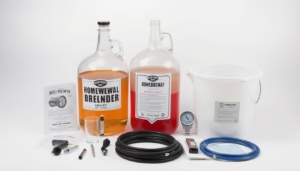
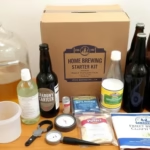
For beginners, a comprehensive starter kit is the ideal way to enter the homebrewing world. These all-in-one packages include the essential equipment needed to brew your first batch without the guesswork of purchasing individual components.
Northern Brewer Deluxe Homebrew Starter Kit
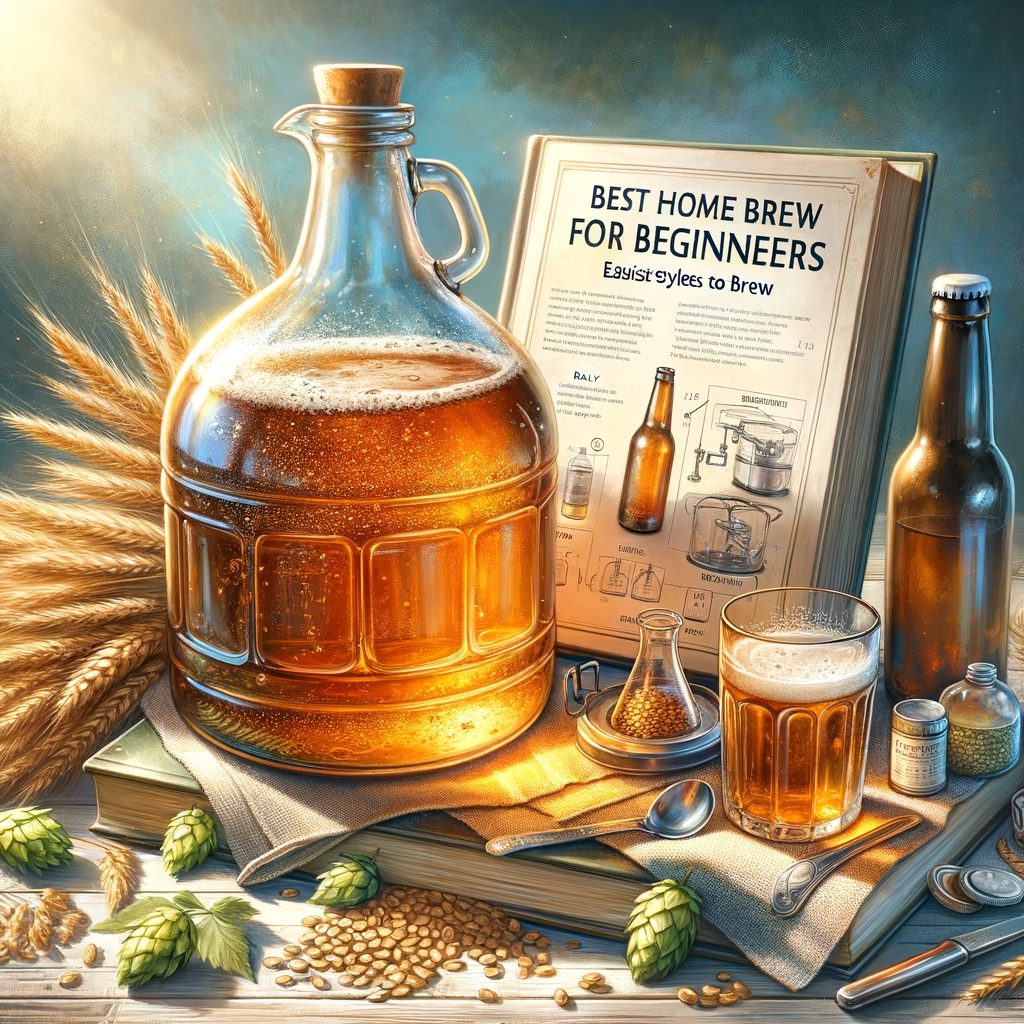
This premium starter kit includes everything a new brewer needs: a 5-gallon glass carboy fermenter, bottling bucket with spigot, auto-siphon, bottle filler, and a Block Party Amber Ale recipe kit. The detailed instructions make your first brewing experience straightforward and enjoyable, while the quality components ensure you’ll be using this equipment for years to come.
For those looking for alternatives, consider these highly-rated options:
The MoreBeer Premium Home Brewing Kit stands out with its stainless steel kettle and copper wort chiller, perfect for brewers who want equipment that will last through hundreds of batches. Meanwhile, the Brooklyn Brew Shop Beer Making Kit offers a more compact 1-gallon solution ideal for apartment dwellers or those wanting to experiment with smaller batches before scaling up.
When selecting your first kit, consider the batch size you want to produce and the space available for brewing and fermentation. Most beginners find that 5-gallon kits offer the best balance between effort and reward—you’ll spend about the same amount of time brewing whether you make 1 gallon or 5, but with the larger batch, you’ll have more beer to enjoy and share.
Brewing Kettles: The Foundation of Great Beer
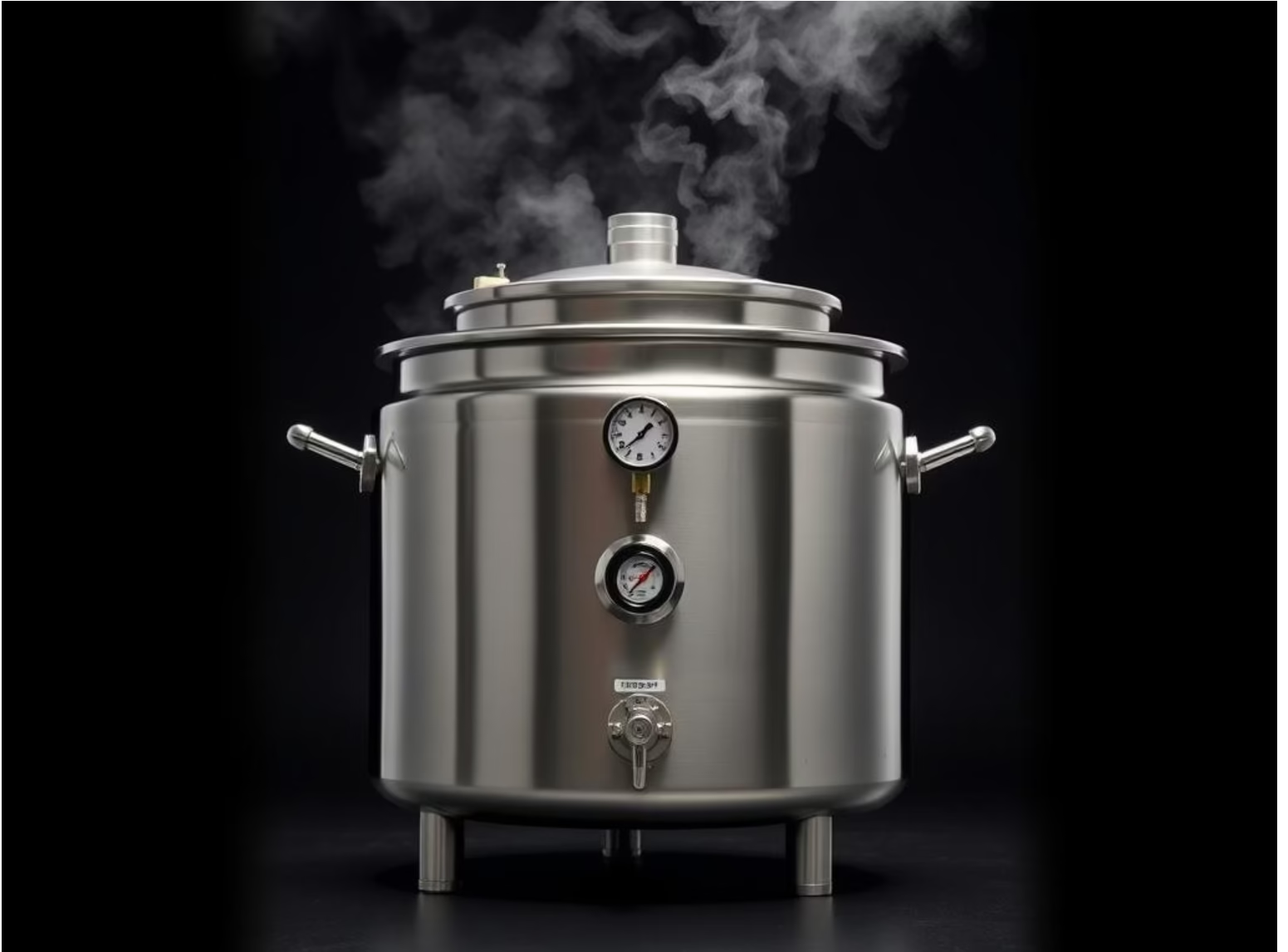
A quality brewing kettle is the cornerstone of your homebrewing setup. This is where the magic begins—where you’ll boil your wort, add hops, and create the foundation for your beer. Investing in a good kettle early will save you from upgrades later in your brewing journey.
Bayou Classic 10-Gallon Stainless Steel Kettle
This professional-grade 10-gallon stainless steel kettle provides ample room for full-volume 5-gallon batches, allowing for proper boil vigor without worrying about boilovers. The tri-ply bottom ensures even heat distribution, while the included thermometer and ball valve make temperature monitoring and wort transfer effortless. Its durable construction will last through countless brew days.
Other excellent kettle options include the CONCORD 8-Gallon Stainless Steel Kettle with its convenient dual handles and precision thermometer, and the budget-friendly Polarware 8-Gallon Economy Brew Kettle that offers reliable performance without breaking the bank.
When choosing a brewing kettle, look for one that’s at least 8-10 gallons for 5-gallon batches. This extra headspace prevents boilovers and allows for proper wort circulation. Stainless steel is the preferred material for its durability, ease of cleaning, and resistance to flavor transfer. Features like built-in thermometers and ball valves might seem like luxuries, but they significantly improve the brewing process by eliminating the need to lift heavy kettles full of hot wort.
Fermenters: Where Beer Comes to Life
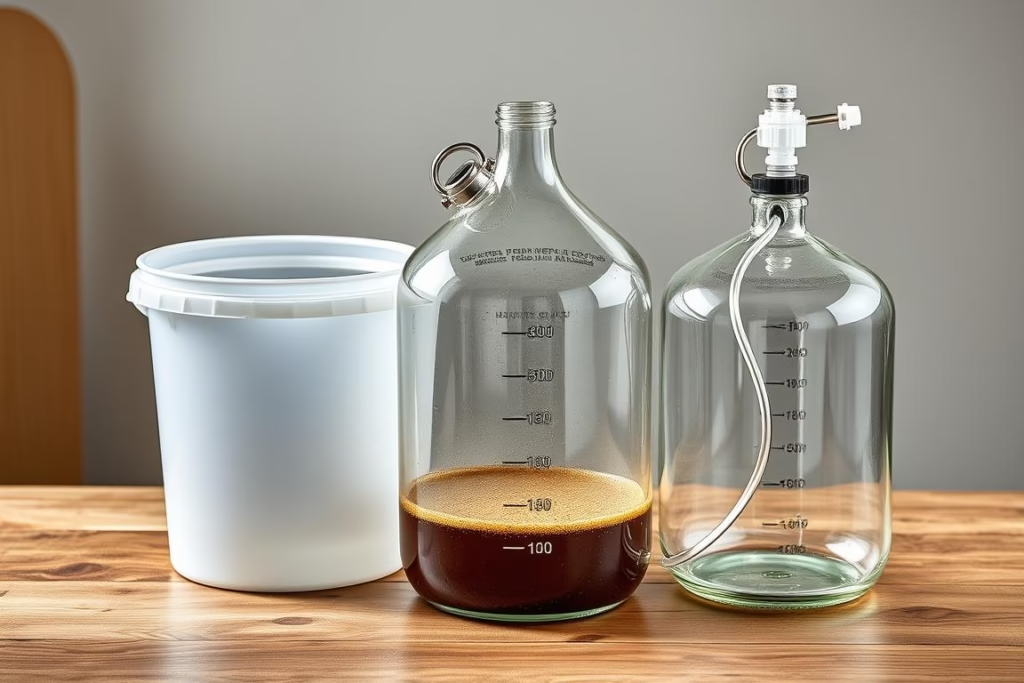
Fermentation is where wort transforms into beer, making your fermenter one of the most critical pieces of equipment. The right fermenter not only keeps your beer safe from contamination but can also make the entire brewing process more convenient and enjoyable.
Fermonster 7-Gallon Wide Mouth Fermenter
The Fermonster combines the best features of both plastic and glass fermenters. Its crystal-clear PET construction lets you monitor fermentation progress, while the wide mouth makes cleaning and dry hopping effortless. The included spigot eliminates the need for siphoning during bottling or kegging, and the solid construction prevents oxygen permeation better than standard plastic buckets.
For those exploring other fermenter options, the FastFerment Conical Fermenter offers the benefits of professional brewing systems with its conical design that collects yeast and sediment for clearer beer. The classic 6.5 Gallon Glass Carboy remains popular for its impermeable surface and excellent visibility, though it requires careful handling.
When selecting a fermenter, consider factors like material (plastic, glass, or stainless steel), size (always choose at least 15-20% larger than your batch size), and features like wide openings for easy cleaning. Many brewers eventually maintain multiple fermenters to accommodate different batch sizes or to have several beers fermenting simultaneously.
Wort Chillers: Cool Down Fast for Better Beer
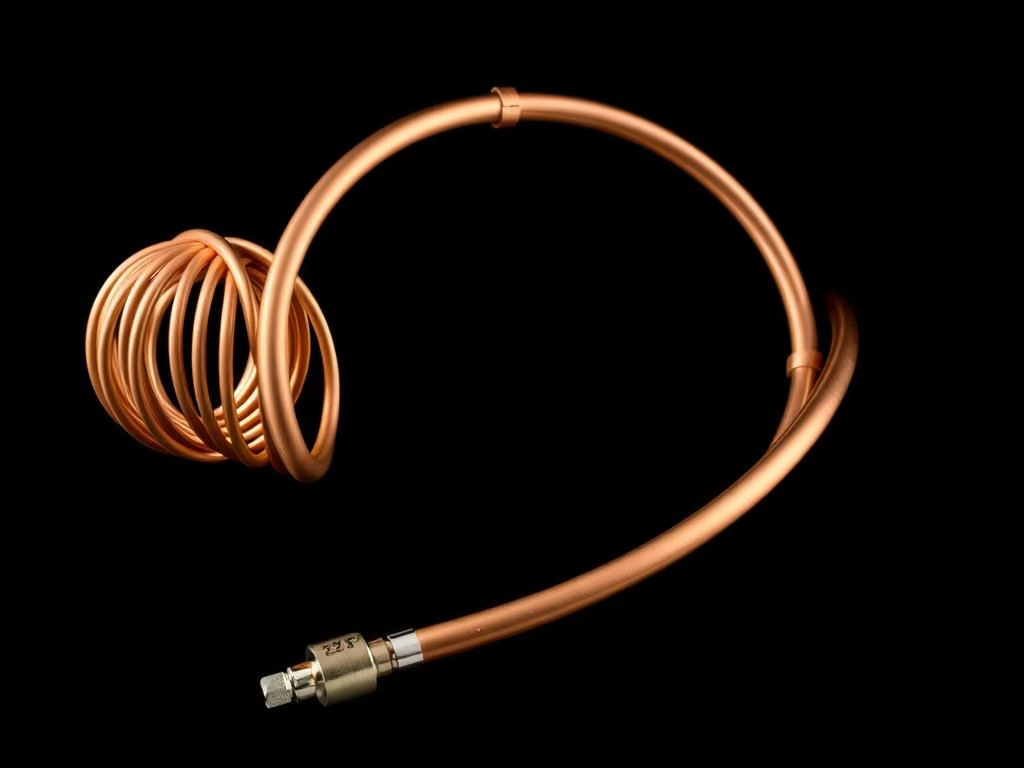
Rapidly cooling your wort after boiling is crucial for beer clarity, flavor development, and preventing contamination. While beginners often use ice baths, a dedicated wort chiller dramatically improves efficiency and beer quality.
NY Brew Supply Copper Immersion Wort Chiller
This 50-foot copper immersion chiller can cool your wort from boiling to pitching temperature in under 20 minutes—a process that might take hours with an ice bath. Copper’s excellent heat transfer properties ensure efficient cooling, while the included garden hose fittings make setup simple. The chiller’s design allows it to work with kettles of various sizes, making it versatile for different brewing setups.
Other cooling options include the JaDeD Brewing Hydra Immersion Chiller with its triple-coil design for ultra-fast cooling, and the NY Brew Supply Counterflow Chiller for brewers looking to upgrade to a more advanced cooling system that works while transferring wort to the fermenter.
When choosing a wort chiller, consider your batch size, water pressure, and brewing setup. Immersion chillers are the simplest to use and clean, making them ideal for most homebrewers. Counterflow and plate chillers offer faster cooling but require more careful cleaning to prevent contamination in future batches. Whichever style you choose, a wort chiller is one of the most impactful upgrades you can make to your brewing process.
Hydrometers and Refractometers: Precision Brewing Tools
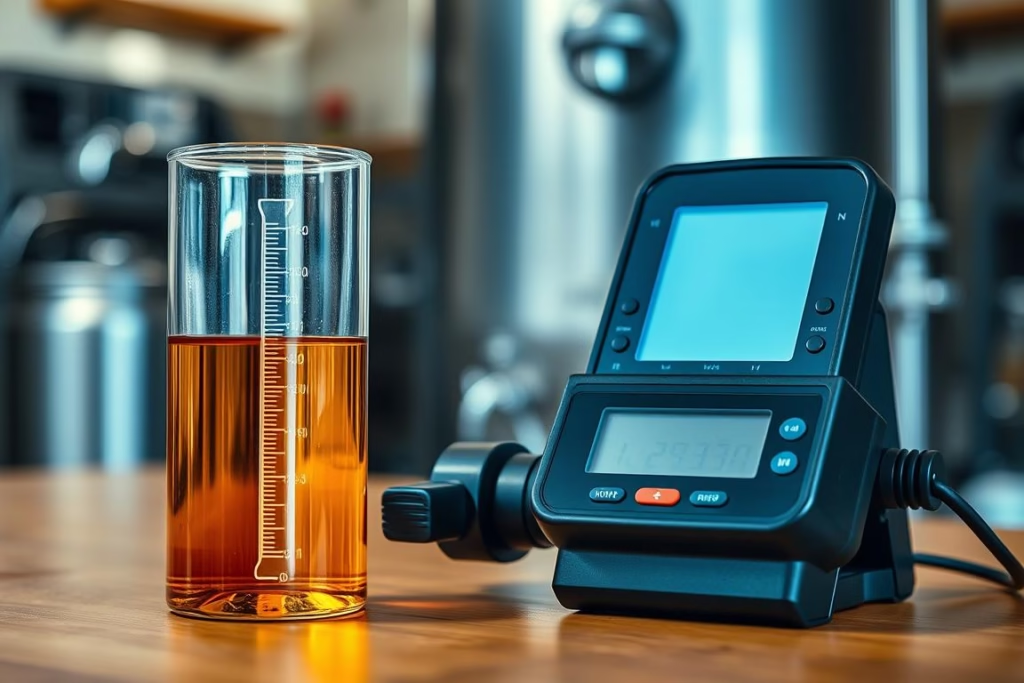
Measuring the specific gravity of your wort and beer is essential for calculating alcohol content, monitoring fermentation progress, and ensuring consistency between batches. These precision instruments take the guesswork out of brewing.
Brewing Triple Scale Hydrometer and Test Jar Kit
This comprehensive kit includes a professional-grade triple scale hydrometer that measures specific gravity, potential alcohol, and Brix. The included test jar makes taking readings simple, while the protective case prevents breakage during storage. The hydrometer’s easy-to-read scales help you track fermentation progress with confidence, ensuring you bottle only when fermentation is complete.
For brewers seeking additional precision tools, the Tilt Wireless Hydrometer and Thermometer offers continuous gravity and temperature monitoring via smartphone, while the Milwaukee Instruments Digital Refractometer provides instant readings with just a few drops of wort.
Hydrometers remain the standard for gravity measurement due to their reliability and affordability, but they require larger sample volumes and are fragile. Refractometers need only a few drops of liquid and are more durable, but they require correction factors after fermentation begins due to the presence of alcohol. Many experienced brewers use both: a refractometer for brew day measurements and a hydrometer for final gravity readings.
Temperature Control: The Secret to Consistent Results
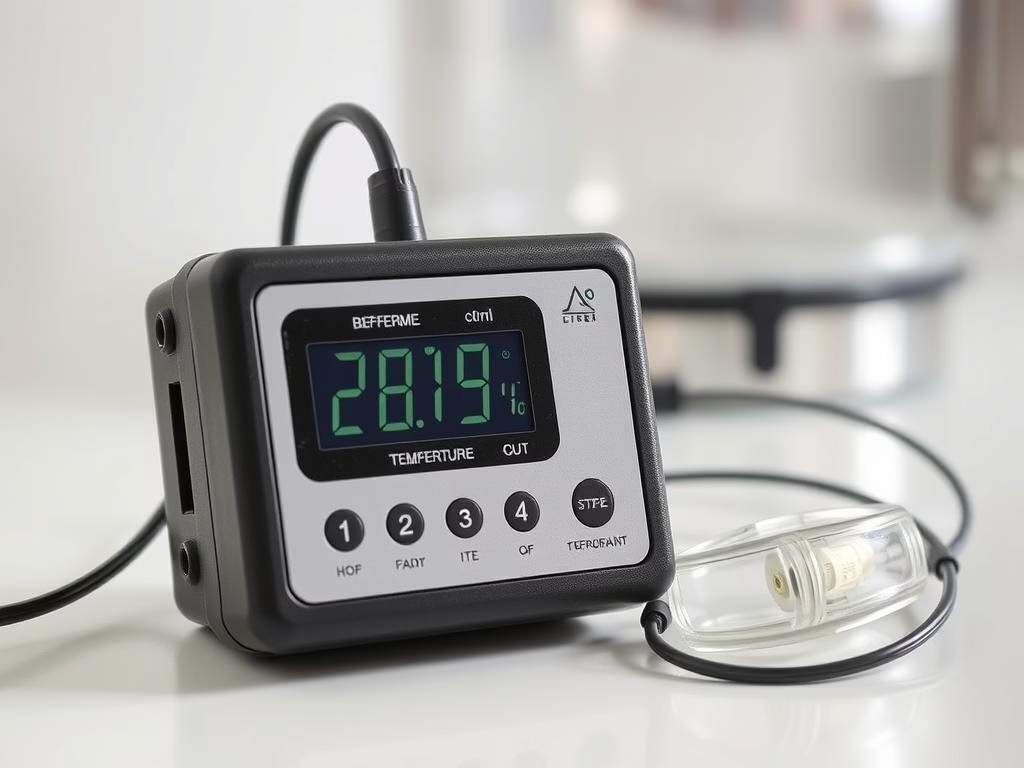
Controlling fermentation temperature is perhaps the single most important factor in producing consistent, high-quality beer. Different yeast strains have specific temperature preferences, and even small fluctuations can dramatically affect flavor profiles.
Inkbird ITC-308 Digital Temperature Controller
This dual-stage temperature controller allows precise management of both heating and cooling devices. Simply set your target temperature and the allowable variance, and the Inkbird will maintain your fermentation within that range automatically. The external temperature probe provides accurate readings, while the easy-to-read display lets you monitor conditions at a glance. It’s compatible with refrigerators, freezers, heating pads, and other temperature control devices.
Other temperature control options include the FermWrap Fermentation Heater for maintaining temperatures in cool environments, and the Cool Brewing Fermentation Cooling Bag which provides an affordable way to keep fermentation temperatures down without dedicated refrigeration.
Temperature control systems can be as simple as a controller with a small heater in a cool basement or as elaborate as a dedicated fermentation chamber built from a modified refrigerator. The investment pays dividends in beer quality, especially when brewing temperature-sensitive styles like lagers or Belgian ales. Many brewers consider temperature control their most important upgrade after basic equipment.
Bottling Equipment: Package Your Creation
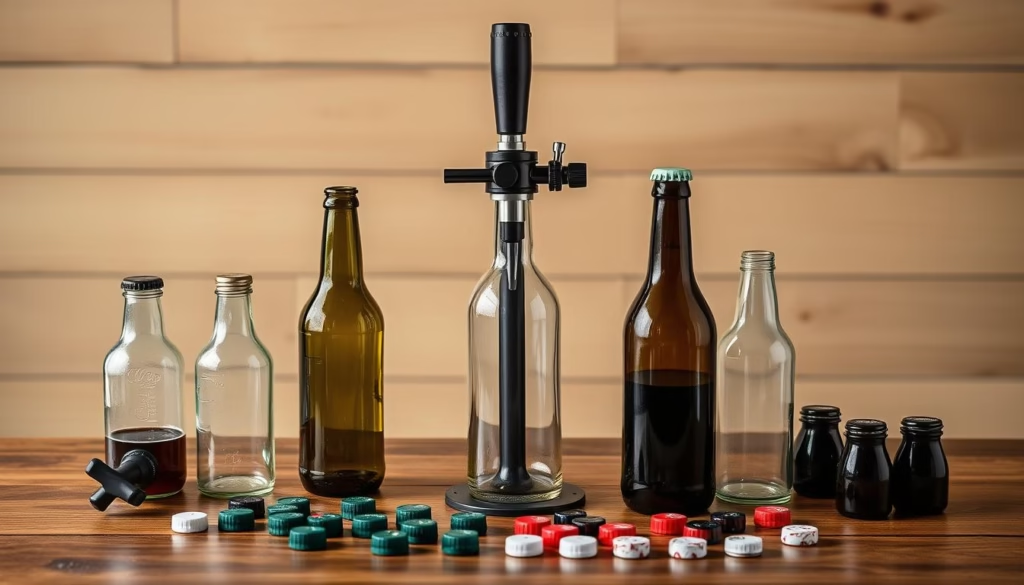
After fermentation comes the crucial step of packaging your beer. Proper bottling equipment ensures your brew carbonates correctly and stays fresh until you’re ready to enjoy it.
Ferrari Super Agata Bench Capper
This professional-grade bench capper makes sealing bottles effortless and consistent. The adjustable height accommodates various bottle sizes, while the magnetic cap holder keeps caps in place during operation. The sturdy metal construction ensures years of reliable use, and the lever action requires minimal effort compared to hand cappers. It’s an investment that makes bottling day significantly more enjoyable.
Complete your bottling setup with the Fast Rack Bottle Drying Tree for sanitary bottle storage and drying, and the Spring Tip Bottle Filler which makes filling bottles to the perfect level simple and mess-free.
While bottling requires more time and effort than kegging, it remains the most accessible packaging method for most homebrewers. Bottles can be reused from commercial beer (just avoid twist-offs), making this an economical option. A good bottling bucket with a spigot, quality bottle filler, and reliable capper form the foundation of an efficient bottling process that will serve you well until you’re ready to explore kegging.
Sanitization Products: The Foundation of Good Beer
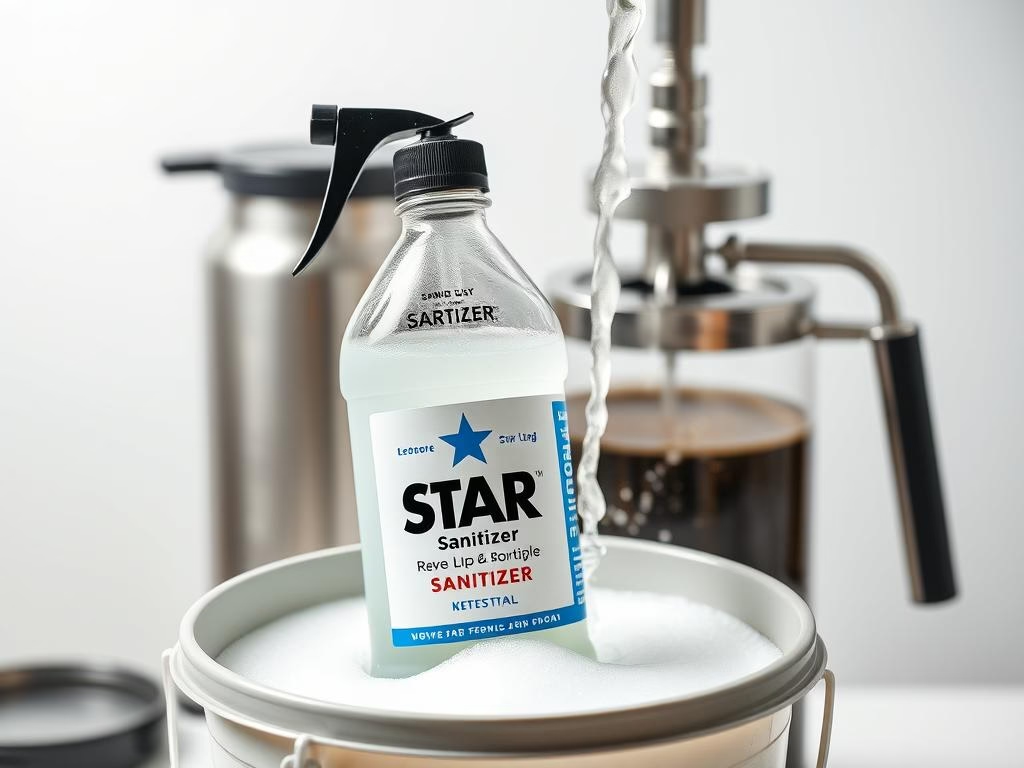
Ask any professional brewer about the most important aspect of brewing, and they’ll likely say “cleaning and sanitizing.” Proper sanitization prevents off-flavors and spoilage, ensuring your beer tastes exactly as intended.
Star San No-Rinse Sanitizer
This acid-based sanitizer has become the gold standard in homebrewing for good reason. It works quickly (just 30 seconds of contact time), doesn’t require rinsing, and is effective against a wide range of potential contaminants. The foam created during mixing reaches into corners and crevices, ensuring complete sanitization of complex equipment. A single 8oz bottle makes 5 gallons of sanitizing solution, making it economical for regular use.
Other essential cleaning products include PBW (Powdered Brewery Wash) for removing stubborn organic residues from equipment, and Iodophor Sanitizer which offers an alternative to Star San with different properties that some brewers prefer.
Remember that cleaning and sanitizing are two distinct steps. Cleaning removes visible soil and organic matter, while sanitizing reduces microorganisms to safe levels. Always clean equipment thoroughly before sanitizing, and keep a spray bottle of diluted sanitizer handy on brew day for quick treatment of tools and surfaces. The time invested in proper sanitization is minimal compared to the time spent brewing—and it’s the best insurance against disappointing results.
Specialty Grains: Add Depth and Character
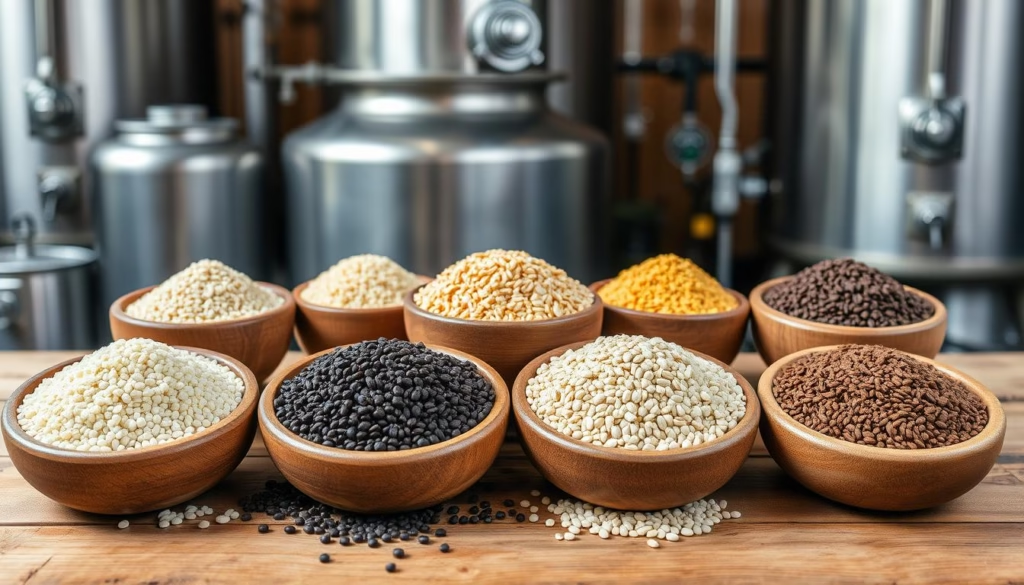
While extract brewing is a great starting point, incorporating specialty grains adds complexity, color, and flavor that can transform your beer. These grains are steeped like tea rather than mashed, making them accessible even to extract brewers.
Briess Specialty Grain Sampler Pack
This comprehensive sampler includes eight different specialty malts (1 pound each) that can be used to enhance virtually any beer style. From caramel malts that add sweetness and body to roasted barley for stout-like coffee notes, this collection allows you to experiment with different flavor profiles. Each grain comes with detailed information about its characteristics and suggested usage rates, making it perfect for brewers looking to expand their ingredient knowledge.
For those looking to explore specific flavor profiles, consider Briess Crystal 60L Malt for caramel sweetness in amber ales and IPAs, or Weyermann Chocolate Malt for rich chocolate notes in porters and stouts.
Specialty grains should be crushed before use to expose the starches and sugars inside. Many homebrew shops offer grain crushing services, or you can invest in a grain mill for the freshest results. Store unused grains in airtight containers away from moisture and heat to maintain freshness. Even small amounts of specialty grains (8-16 ounces in a 5-gallon batch) can make a noticeable difference in your beer’s flavor profile.
Hops Varieties: The Spice of Beer
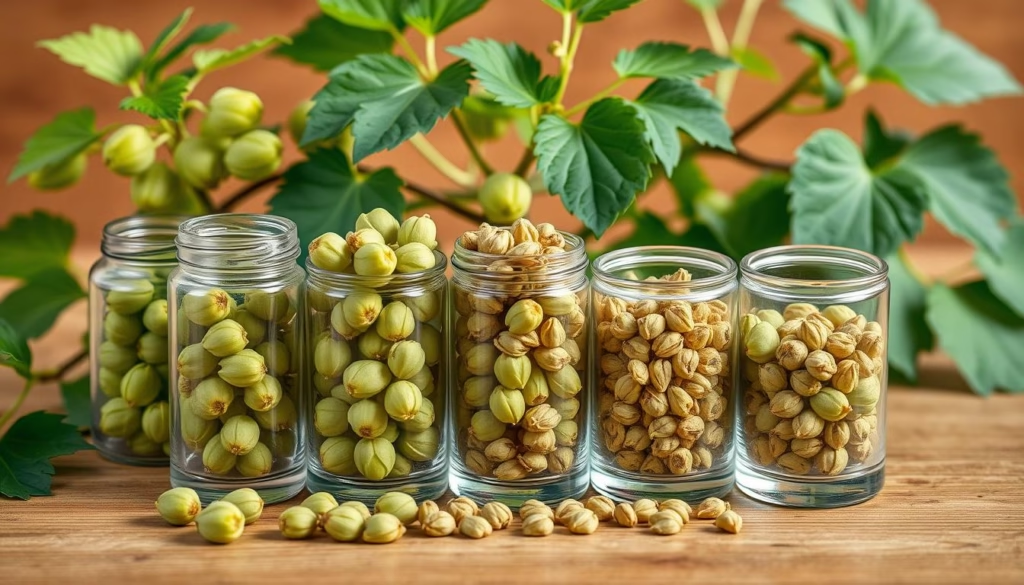
Hops are the defining ingredient in many beer styles, providing bitterness to balance malt sweetness and contributing aroma and flavor characteristics ranging from floral and citrus to pine and tropical fruit.
Yakima Valley Hops – The Hop Sampler
This curated collection features eight popular hop varieties (one ounce each) that showcase the diversity of flavors hops can contribute to your beer. From classic American varieties like Cascade and Centennial to newer varieties like Citra and Mosaic, this sampler allows you to experiment with different hop combinations. Each variety comes vacuum-sealed for freshness and includes information about typical usage and flavor profiles.
For specific beer styles, consider German Hallertau Hops for traditional lagers and pilsners, or Cascade Hops for the classic American pale ale character. Many brewers also keep versatile dual-purpose hops like Amarillo on hand for both bittering and aroma.
Hops are typically added at different stages of the boil to achieve different effects: early additions provide bitterness, middle additions contribute flavor, and late or post-boil additions create aroma. Store unused hops in the freezer in vacuum-sealed bags to preserve their aromatic oils and alpha acids. Experimenting with different hop varieties and schedules is one of the most enjoyable aspects of homebrewing, allowing endless creativity in your recipes.
Yeast Strains: The True Brewmasters
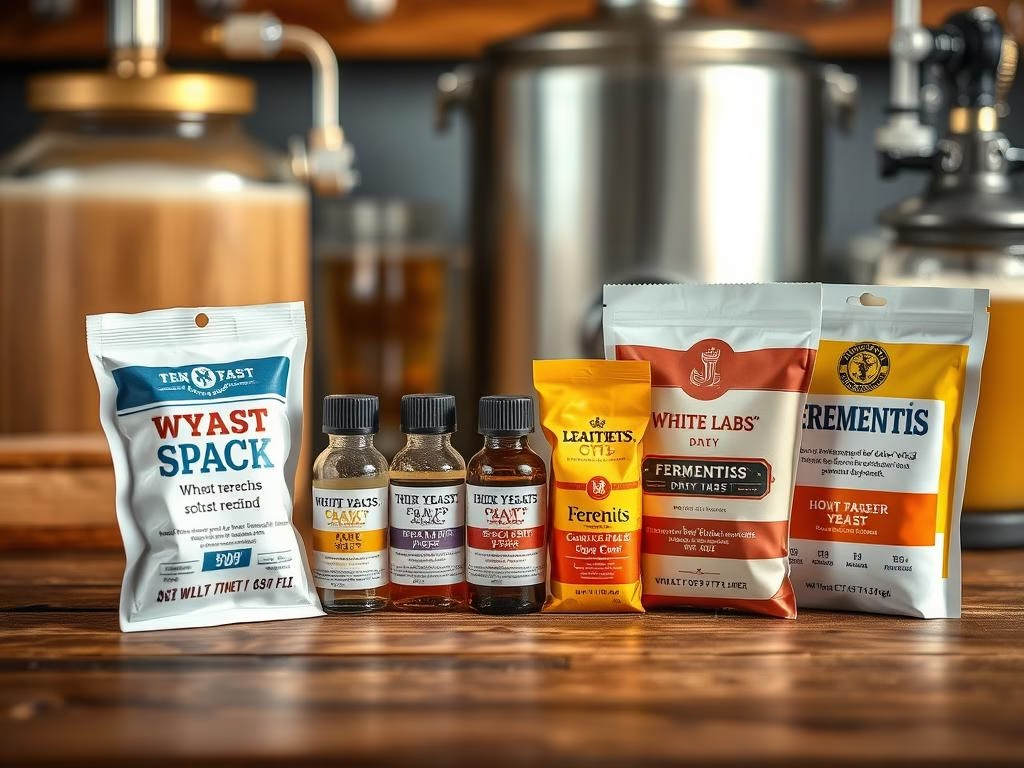
While often overlooked by beginners, yeast selection might be the most impactful choice you make when designing a beer recipe. Different strains produce distinct flavor profiles and perform differently under various conditions.
Fermentis Homebrewing Yeast Variety Pack
This collection includes five popular dry yeast strains suitable for brewing a wide range of beer styles. From clean American ales to characterful Belgian varieties, this pack gives you the flexibility to brew almost any beer style. Dry yeast offers excellent shelf stability and doesn’t require a starter, making it perfect for both beginners and experienced brewers who appreciate convenience without sacrificing quality.
For those exploring liquid yeast options, Wyeast 1056 American Ale is a versatile strain that works well in many styles, while White Labs WLP001 California Ale Yeast offers similar characteristics in a different format. For unique Belgian character, Wyeast 3787 Trappist High Gravity produces the complex esters and phenols associated with abbey ales.
Proper yeast handling is crucial for successful fermentation. Always check the production date on yeast packages and consider making a starter for liquid yeast to ensure viability and proper cell count. Temperature control during fermentation is especially important, as each strain has specific temperature preferences that affect flavor development. Many brewers keep a few packets of versatile dry yeast in the refrigerator as backup for unexpected brewing opportunities.
Mash Equipment: Graduate to All-Grain Brewing
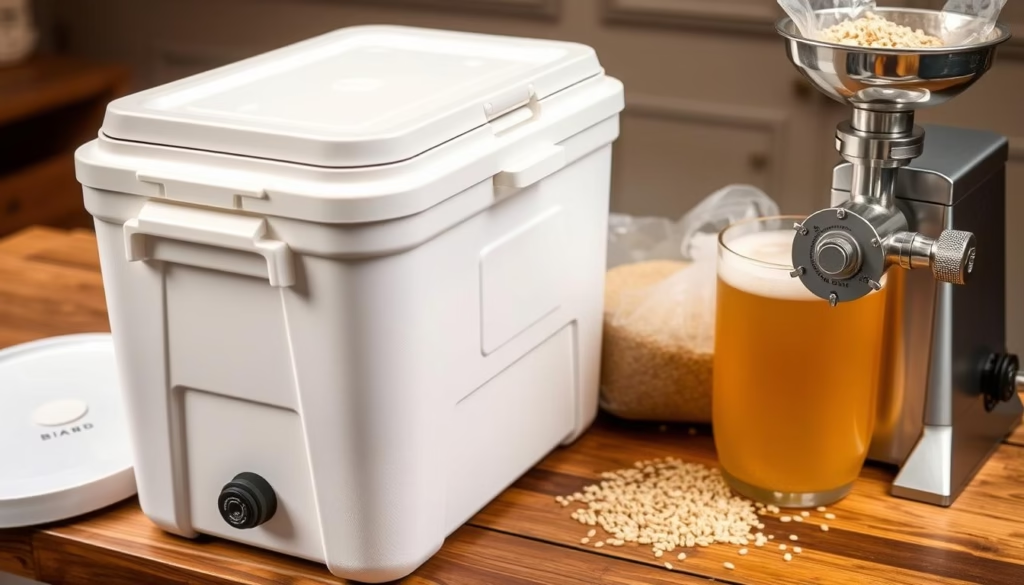
All-grain brewing gives you complete control over your beer’s fermentable profile and opens up endless recipe possibilities. While it requires additional equipment, the process is rewarding and often produces more complex, nuanced beers.
Brew in a Bag Complete System
This all-in-one system simplifies the transition to all-grain brewing with the popular Brew in a Bag (BIAB) method. The kit includes a custom-fitted mesh bag, a 10-gallon kettle with ball valve and thermometer, and a comprehensive guide to BIAB brewing. This approach eliminates the need for a separate mash tun while still allowing full control over your grain bill and mash parameters, making it the perfect entry point to all-grain brewing.
For those preferring traditional multi-vessel systems, the Cooler Mash Tun Conversion Kit transforms an insulated cooler into an efficient mash tun with temperature stability. Serious all-grain brewers might consider the Ss Brewtech InfuSsion Mash Tun with its professional-grade features and excellent heat retention.
All-grain brewing requires careful attention to water chemistry, mash temperature, and pH levels. Consider investing in a digital thermometer with fast response time and a pH meter for more precise control. The learning curve may seem steep at first, but many brewers find all-grain brewing more engaging and satisfying than extract brewing, with the added benefit of cost savings on ingredients over time.
Water Treatment: The Overlooked Ingredient
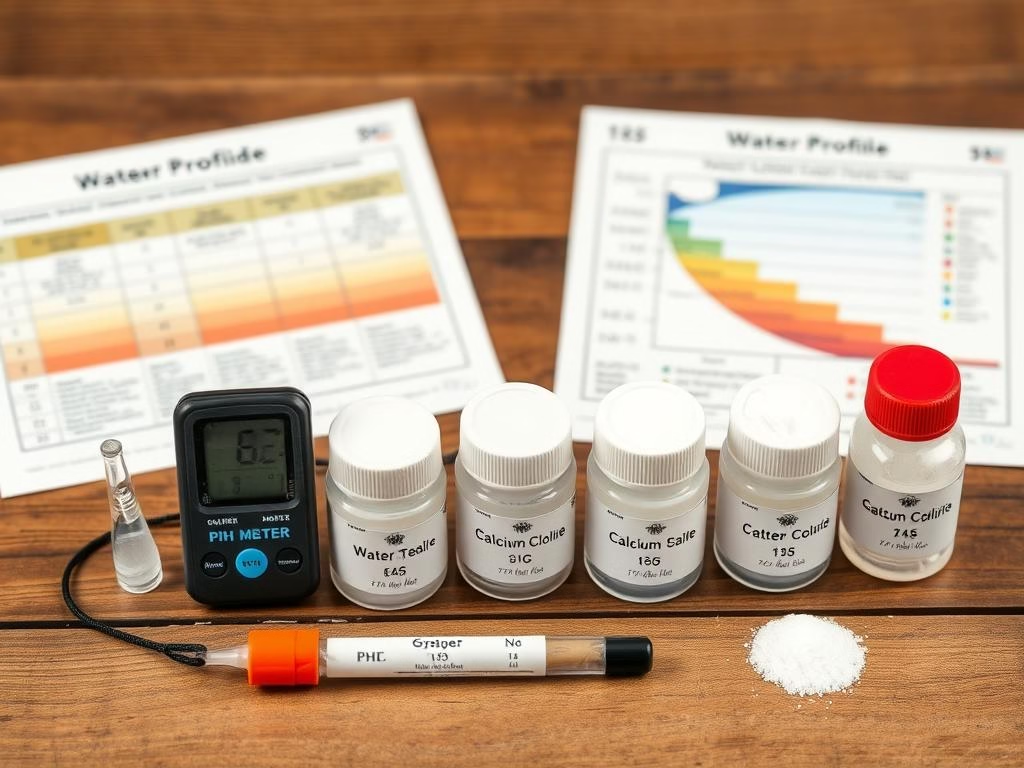
Water makes up over 90% of beer, yet many homebrewers overlook its importance. Different beer styles developed in regions with specific water profiles, and adjusting your water chemistry can dramatically improve your beer’s flavor and mouthfeel.
Ward Labs Brewing Water Test Kit
Before treating your water, you need to know what you’re starting with. This comprehensive water testing kit analyzes your tap water for all brewing-relevant minerals and compounds, providing a detailed report that serves as the foundation for water adjustments. Understanding your baseline water profile is essential for making targeted adjustments that enhance specific beer styles rather than applying generic treatments.
Once you know your water profile, the Brewing Water Adjustment Kit provides all the minerals needed to adjust your water for different beer styles. For removing chlorine and chloramine from tap water, Campden Tablets offer an effective and economical solution.
Water treatment can be as simple or complex as you want to make it. Many brewers start by removing chlorine and adjusting mash pH, then gradually explore more detailed mineral adjustments as they gain experience. Software tools like Bru’n Water and Brewfather can help calculate precise additions based on your source water and target profile. Even small adjustments can make noticeable improvements in your beer’s flavor clarity and mouthfeel.
Kegging Systems: Upgrade Your Serving Game
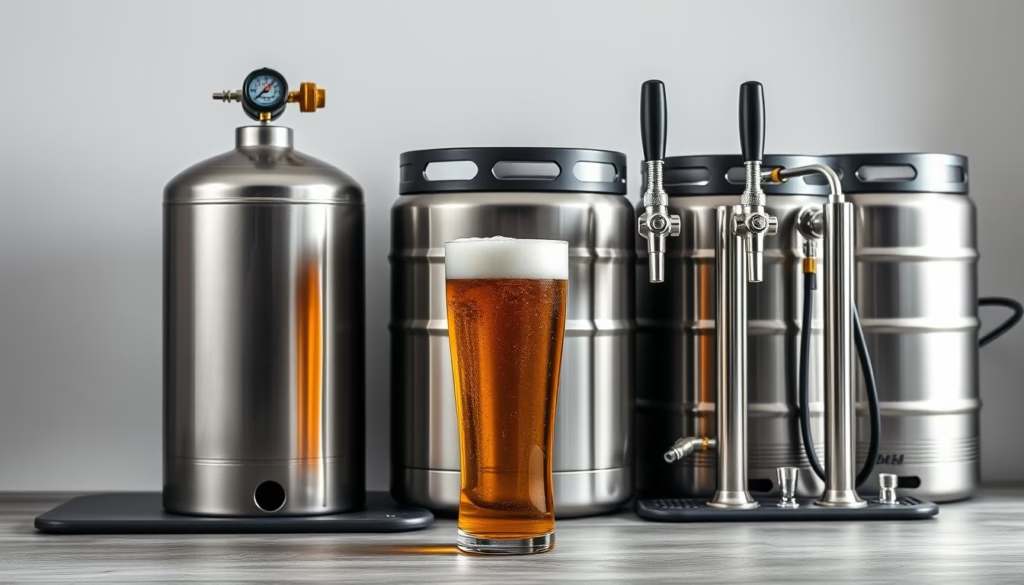
While bottling is the traditional way to package homebrew, kegging offers numerous advantages: it’s faster, eliminates the priming sugar calculation, allows for carbonation level adjustments, and provides draft beer convenience at home.
Kegco Deluxe Homebrew Kegerator Conversion Kit
This comprehensive kit includes everything needed to start kegging: a 5lb CO2 tank, dual-gauge regulator, ball lock cornelius keg, all necessary hoses and connections, and a draft tower with faucet. The detailed instructions make setup straightforward, even for those new to kegging. This system can be used with a dedicated kegerator or a converted refrigerator, providing flexibility based on your available space and budget.
For those with multiple beers to serve, the Kegco Dual Tap Kegerator provides a turnkey solution with temperature control and two taps. Budget-conscious brewers might start with the Basic Ball Lock Keg System which includes just the essentials for kegging a single beer.
Kegging does require a larger initial investment than bottling, but many brewers find the time savings and convenience well worth it. Cornelius kegs (repurposed soda kegs) are the standard for homebrewers, with ball lock fittings being more common than pin lock. Proper cleaning and sanitizing remain essential for kegged beer, and a dedicated cleaning system like the Keg Cleaning Kit makes maintenance simple.
Recipe Kits: Explore Different Beer Styles
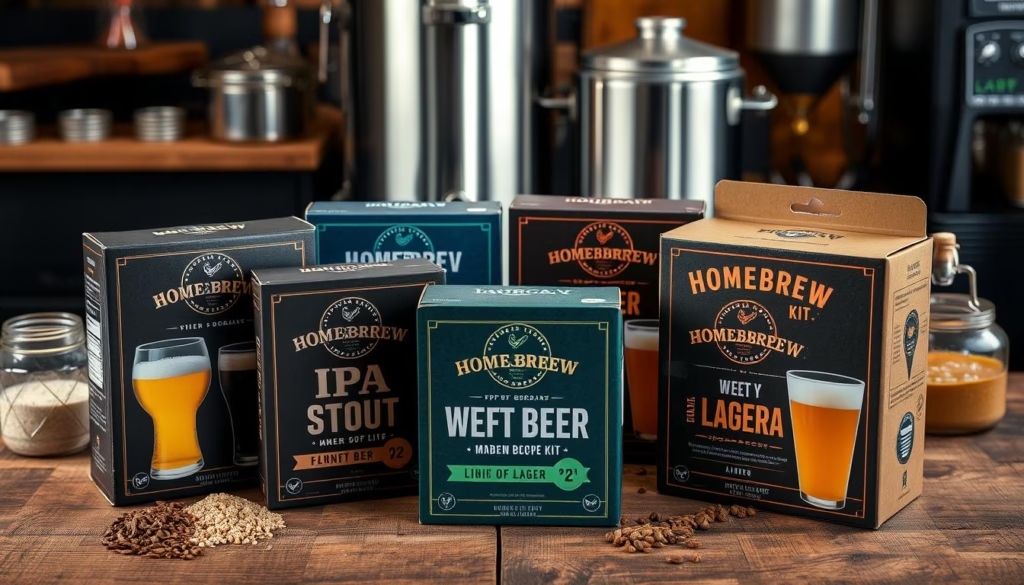
Recipe kits provide a convenient way to brew proven beer styles with pre-measured ingredients and detailed instructions. They’re perfect for beginners and experienced brewers alike who want to try new styles without investing in full-size ingredient packages.
Northern Brewer Brewery in a Box Beer Recipe Kit
This premium kit includes everything needed to brew 5 gallons of craft-quality beer: malt extract, specialty grains, hops, yeast, priming sugar, and bottle caps. Choose from popular styles like Fresh Squished IPA, Irish Red Ale, or Bavarian Hefeweizen. The step-by-step instructions are designed for beginners but include advanced tips for more experienced brewers. Each recipe has been tested and refined to ensure consistent, delicious results.
For those interested in brewing smaller batches, Brooklyn Brew Shop’s 1-Gallon Kits offer unique recipes in apartment-friendly sizes. Adventurous brewers might enjoy Craft a Brew’s Seasonal Collection featuring rotating styles that complement different times of the year.
Craft Beer making Recipe kits are an excellent way to learn about different beer styles and ingredients without committing to large quantities of specialty malts or hops. Many brewers use kits as inspiration, making small modifications to personalize the recipe while maintaining the style’s core characteristics. As you gain experience, you might start designing your own recipes, but even veteran homebrewers often return to quality kits when exploring unfamiliar styles.
Brewing Software: Design and Track Your Creations
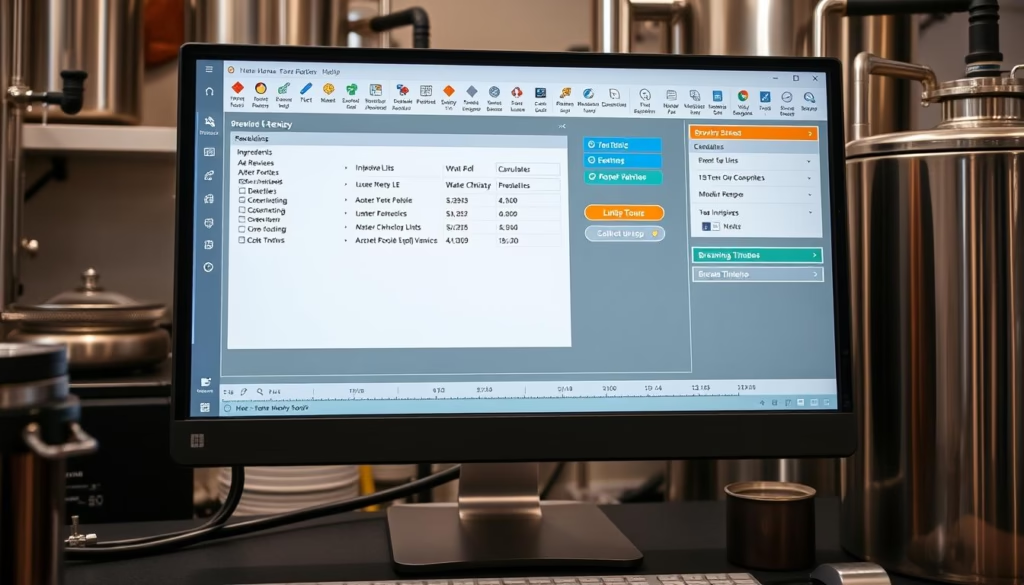
As you progress in your brewing journey, brewing software becomes invaluable for recipe formulation, brewing calculations, inventory management, and tracking your brewing history.
BeerSmith 3 Brewing Software
This comprehensive brewing platform has become the industry standard for serious homebrewers. BeerSmith helps you design recipes with accurate color, bitterness, and gravity predictions, create detailed brewing schedules, manage inventory, and maintain brewing records. The software includes thousands of ingredients and equipment profiles, plus access to a recipe cloud where brewers share their creations. Available for Windows, Mac, and mobile devices, it synchronizes across platforms for seamless brewing management.
Other popular brewing software options include the web-based Brewfather with its modern interface and excellent mobile integration, and Brewer’s Friend which offers both free and premium tiers for recipe development and brewing logs.
Brewing software eliminates the need for manual calculations and provides valuable insights into how recipe changes affect the final beer. Most programs can generate shopping lists, scale recipes for different batch sizes, and estimate important metrics like IBUs (International Bitterness Units), SRM (color), and ABV (alcohol by volume). While not essential for beginners, brewing software becomes increasingly valuable as you develop your own recipes and seek consistency between batches.
Start Your Brewing Journey Today
The world of homebrewing offers endless opportunities for creativity, learning, and enjoyment. Whether you’re just starting with a basic kit or expanding your brewing capabilities with advanced equipment, the journey is rewarding at every step. The 15 essential home brew supplies and craft beer kits we’ve explored provide a roadmap for building your brewing setup, allowing you to make informed decisions based on your budget, space, and brewing goals.
Remember that great beer doesn’t necessarily require the most expensive equipment—attention to detail, proper sanitization, and temperature control often make more difference than fancy gear. Start with the basics, learn the fundamental processes, and gradually expand your setup as your experience and interests evolve.
The homebrewing community is known for its generosity and passion for sharing knowledge. Don’t hesitate to connect with local homebrew clubs, online forums, or your neighborhood homebrew shop for advice and inspiration. With the right supplies, a bit of patience, and a willingness to learn, you’ll be crafting delicious beer that rivals commercial offerings in no time. Cheers to your brewing adventures!
Ready to Start Brewing?
Get everything you need with the Northern Brewer Deluxe Homebrew Starter Kit—the perfect way to begin your homebrewing journey with quality equipment and expert guidance.



One Comment