
There’s something magical about brewing your own beer. The craft combines science and art, tradition and innovation, patience and creativity. Home beer brewing lets you customize flavors, experiment with ingredients, and enjoy the satisfaction of sharing something you’ve created from scratch. Whether you’re drawn to the hobby for the creative outlet, the science, or simply the enjoyment of great beer, this guide will help you start your brewing journey with confidence.
Essential Equipment for Home Beer Brewing
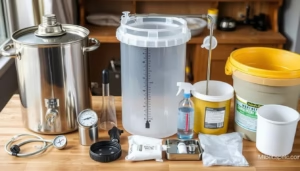
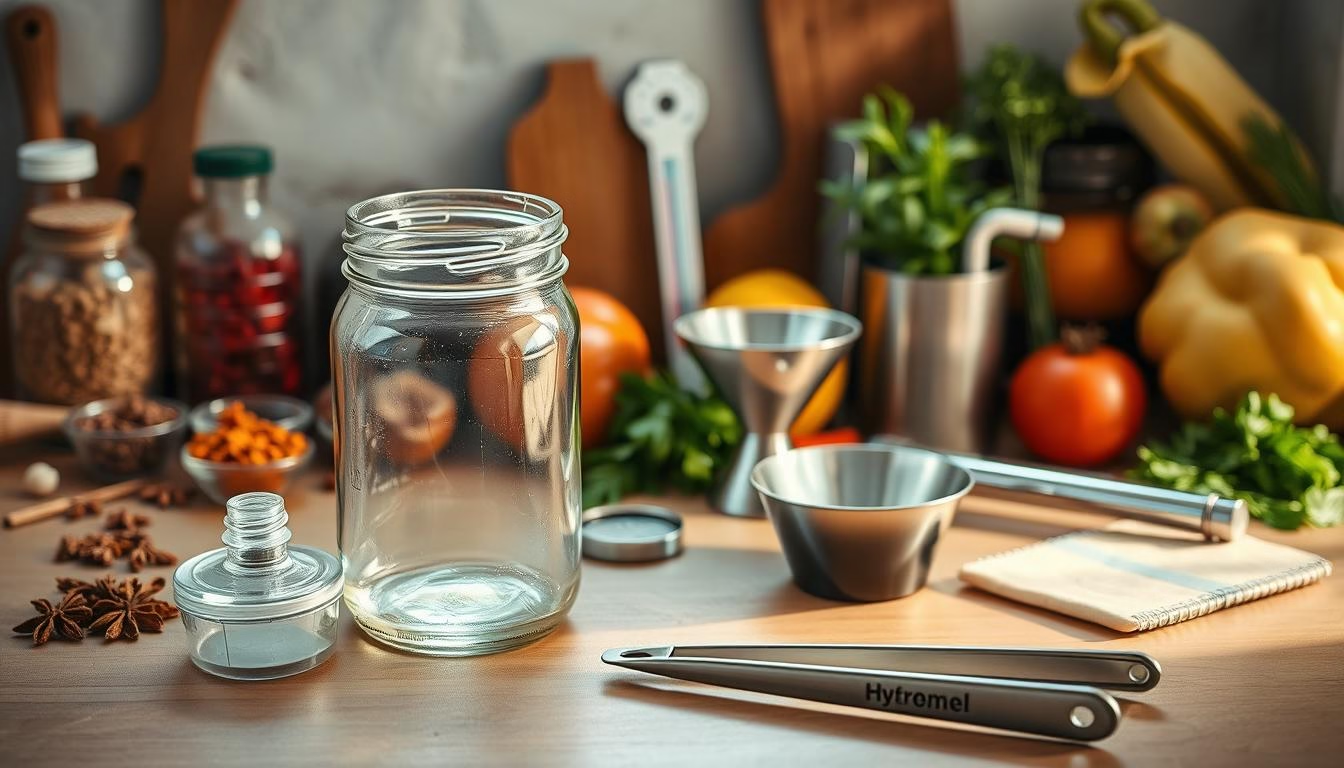
Getting started with home beer brewing doesn’t require a massive investment. While commercial breweries use industrial equipment, you can make excellent beer with some basic tools. Here’s what you’ll need for your first brewing adventure:
Brewing Equipment Essentials
- Brew Kettle: A large stainless steel pot (at least 5 gallons) for boiling your wort. Stainless steel is preferred as it won’t react with the acidic wort.
- Fermenter: A food-grade plastic bucket or glass carboy with a minimum 6-gallon capacity to allow room for fermentation activity.
- Airlock and Stopper: These allow carbon dioxide to escape during fermentation while preventing contaminants from entering.
- Auto-Siphon and Tubing: For transferring beer between vessels with minimal oxygen exposure.
- Hydrometer: Measures the specific gravity of your beer to calculate alcohol content and monitor fermentation progress.
- Thermometer: Essential for hitting target temperatures during mashing and cooling.
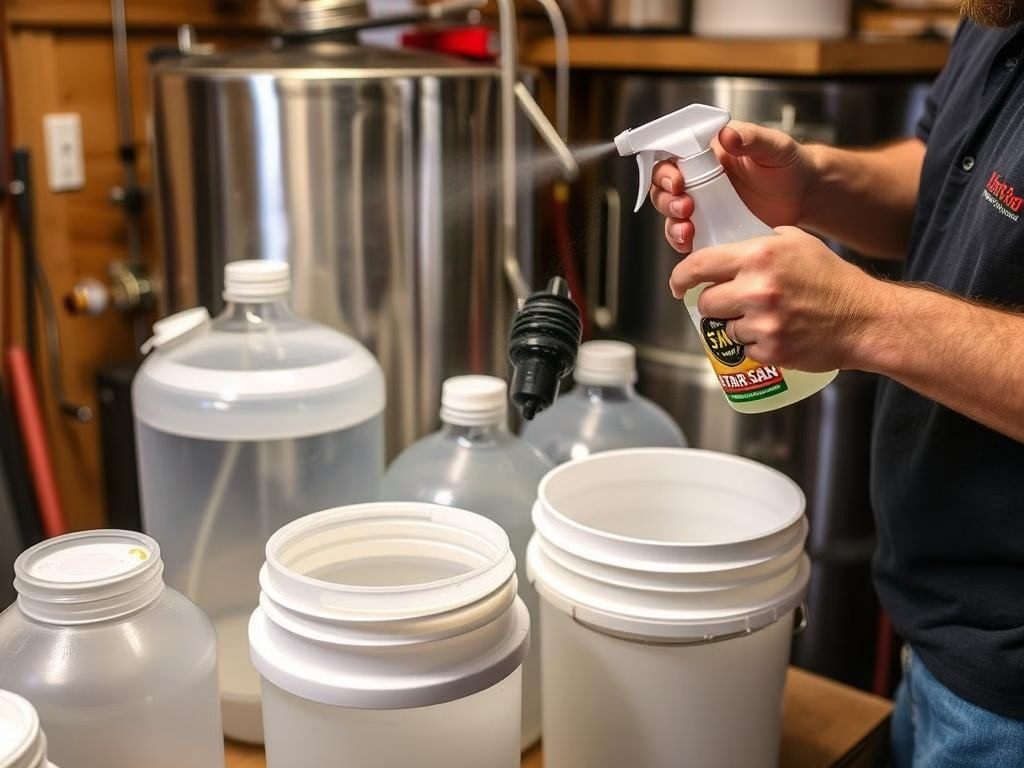
- Sanitizer: Perhaps the most important item! Star San or similar no-rinse sanitizer keeps unwanted microorganisms away.
Bottling Supplies
- Bottling Bucket: A food-grade bucket with a spigot for easy filling.
- Bottle Filler: Attaches to your tubing and makes filling bottles cleaner and more efficient.
- Bottles: You’ll need approximately 48-54 twelve-ounce bottles for a standard 5-gallon batch.
- Bottle Caps and Capper: For sealing your bottles after filling.
- Bottle Brush: For cleaning bottles thoroughly before sanitizing.
Optional But Helpful Equipment
- Wort Chiller: Copper coil that rapidly cools your wort, reducing the risk of contamination.
- Digital Scale: For precise measurement of ingredients, especially hops.
- Brew Bag: For steeping grains if you’re starting with extract brewing.
- Funnel: A large, food-grade funnel makes transfers easier and cleaner.
Ready to Start Brewing?
Complete home beer brewing kits contain everything you need to make your first batch. They’re perfect for beginners and often more economical than buying equipment separately.
Ingredients Explained: Malt, Hops, Yeast, and Water
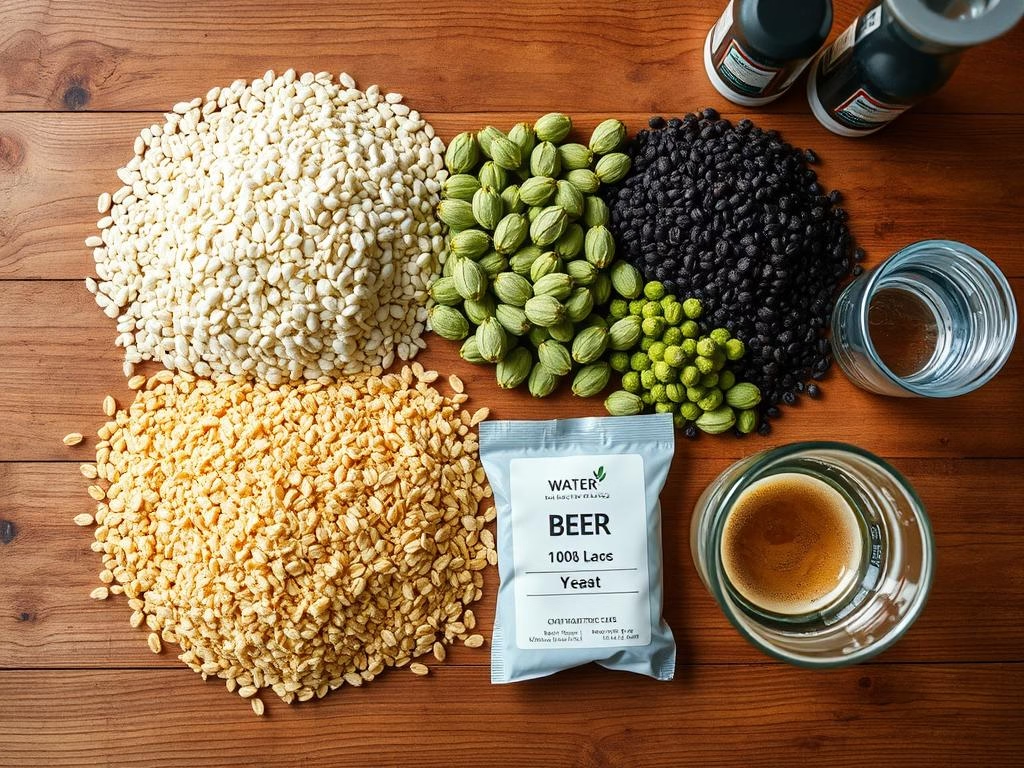
Understanding your ingredients is crucial to brewing great beer. Each component plays a specific role in the home beer brewing process and contributes unique characteristics to your final product. Let’s explore the four essential ingredients that make up every beer:
Malt: The Soul of Beer
Malt provides the fermentable sugars that yeast will convert to alcohol. It also contributes color, flavor, body, and proteins for head retention. For beginners, malt extract is the easiest way to start:
- Liquid Malt Extract (LME): Concentrated, unfermented wort in liquid form. Easy to use but has a shorter shelf life.
- Dried Malt Extract (DME): Powdered form that stores longer and is easier to measure precisely.
- Specialty Grains: Even when using extracts, steeping specialty grains adds complexity and character to your beer.
Hops: The Spice of Beer
Hops balance the sweetness of malt with bitterness and add aroma and flavor. They also have preservative properties that help beer stay fresh longer.
- Bittering Hops: Added early in the boil to contribute bitterness, measured in IBUs (International Bitterness Units).
- Flavor Hops: Added in the middle of the boil to contribute flavor with some aroma and bitterness.
- Aroma Hops: Added at the end of the boil or during fermentation to contribute aroma with minimal bitterness.
Yeast: The Magic of Beer
Yeast converts sugars into alcohol and carbon dioxide while producing flavor compounds that significantly impact your home brewed beer’s character.
Ale Yeast (Saccharomyces cerevisiae)
- Ferments at warmer temperatures (60-75°F)
- Fermentation completes in 7-14 days
- Creates fruity, complex flavors
- More forgiving for beginners
Lager Yeast (Saccharomyces pastorianus)
- Ferments at cooler temperatures (45-55°F)
- Fermentation takes 3-8 weeks
- Creates clean, crisp flavors
- Requires more temperature control
Water: The Foundation of Beer
Water makes up over 90% of beer and its mineral content affects mash efficiency, yeast health, hop expression, and flavor. For home beer brewing beginners:
- Start with clean, chlorine-free water (carbon-filtered tap water works well)
- If your tap water tastes good, it’s probably suitable for brewing
- Consider using bottled spring water for your first few batches
- As you advance, you can adjust water chemistry to match specific beer styles
Quality Ingredients Make Quality Beer
Fresh ingredients are crucial for brewing great beer. Find a reliable supplier with high turnover to ensure your malt, hops, and yeast are at their peak condition.
Step-by-Step Home Beer Brewing Process
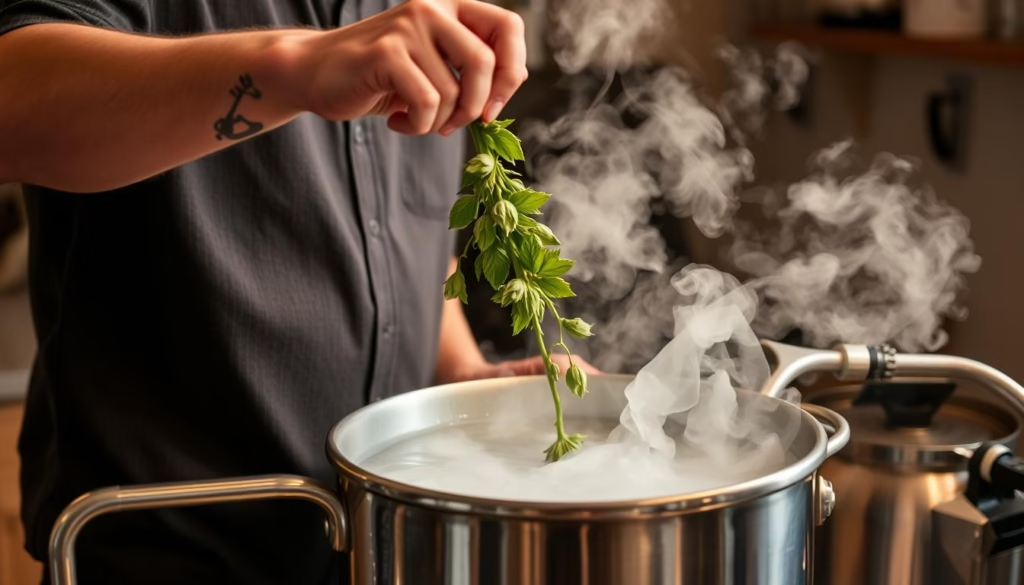
Home brewing beer follows a logical sequence that hasn’t changed much in centuries, though modern equipment makes the process more accessible. Here’s a step-by-step guide to brewing your first batch of beer using the extract method, which is perfect for beginners.
1. Preparation
- Recipe Selection: Choose a simple, forgiving style like amber ale or brown ale for your first batch.
- Equipment Cleaning: Clean all equipment thoroughly with unscented detergent.
- Sanitization: Sanitize everything that will contact your beer after the boil using a no-rinse sanitizer.
- Ingredient Preparation: Measure and organize all ingredients before starting.
Sanitization Tip: You can’t over-sanitize in brewing. Contamination is the most common cause of failed batches. If it touches your beer after the boil, it needs to be sanitized!
2. The Brew Day
Steeping Specialty Grains (if your recipe calls for them)
- Heat 2.5 gallons of water to 150-170°F in your brew kettle.
- Place specialty grains in a grain bag and steep for 20-30 minutes.
- Remove grain bag, allowing it to drain but not squeezing it (which can extract tannins).
The Boil
- Bring your kettle to a rolling boil, then remove from heat.
- Add malt extract, stirring thoroughly to prevent scorching.
- Return to a boil and add hops according to your recipe’s schedule.
- Maintain a gentle, rolling boil for 60 minutes (or as specified in your recipe).
- Add additional hop additions at times specified in your recipe.
Cooling the Wort
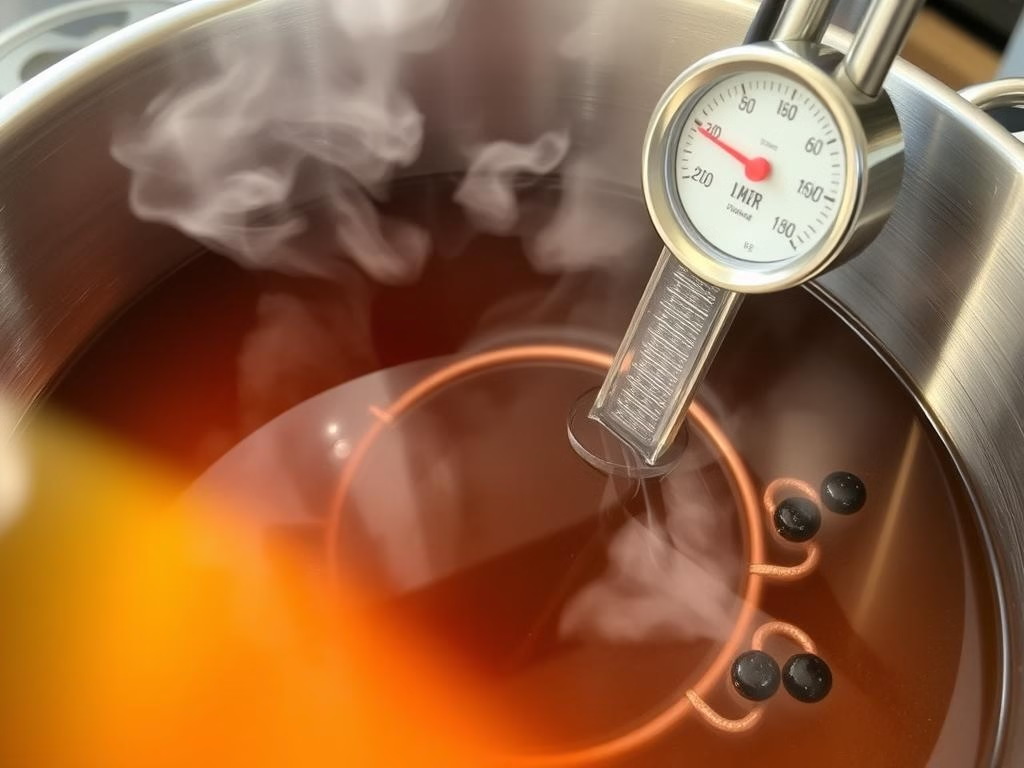
- Cool your wort as quickly as possible to minimize the risk of contamination.
- Use an ice bath: Place your brew kettle in a sink or tub filled with ice water.
- Or use a wort chiller: An immersion chiller can cool your wort in 15-20 minutes.
- Cool to approximately 70°F for ale yeast or 50°F for lager yeast.
3. Fermentation Setup
- Transfer cooled wort to your sanitized fermenter.
- Add cool, pre-boiled water to reach your target volume (typically 5 gallons).
- Take a gravity reading with your hydrometer (this is your Original Gravity or OG).
- Aerate the wort by splashing it or using an aeration system.
- Pitch your yeast according to package instructions.
- Seal your fermenter and attach the airlock filled with sanitizer solution.
Need Help With Brewing Calculations?
Brewing software can help you track recipes, calculate alcohol content, and manage your brewing schedule. Many offer free basic versions perfect for beginners.
Fermentation and Bottling
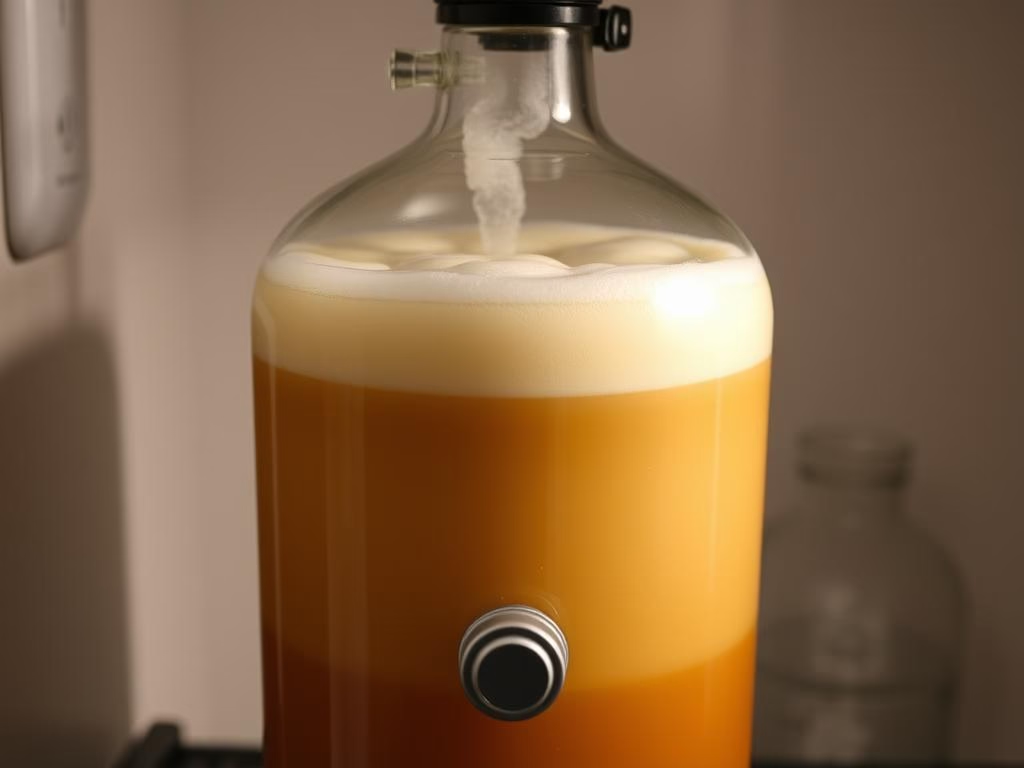
Fermentation is where your wort transforms into beer. This stage requires patience and careful temperature control. After fermentation completes, you’ll package your beer for carbonation and aging.
Fermentation Process
Primary Fermentation
- Timeframe: 1-2 weeks for ales, 3-8 weeks for lagers
- Temperature: Maintain consistent temperature within your yeast’s optimal range
- Signs of Active Fermentation: Bubbling airlock, foam (krausen) on top of beer
- Location: Store fermenter in a dark, temperature-stable environment
Temperature Control: Fermentation produces heat, so ambient temperature should be a few degrees cooler than your target fermentation temperature. For most ales, a cool closet or basement (60-68°F) works well.
Monitoring Fermentation
- Take gravity readings to track fermentation progress
- Fermentation is complete when gravity remains stable for 2-3 consecutive days
- Final Gravity (FG) should be close to your recipe’s target
- Calculate ABV: (OG – FG) × 131.25 = ABV%
Bottling Your Beer
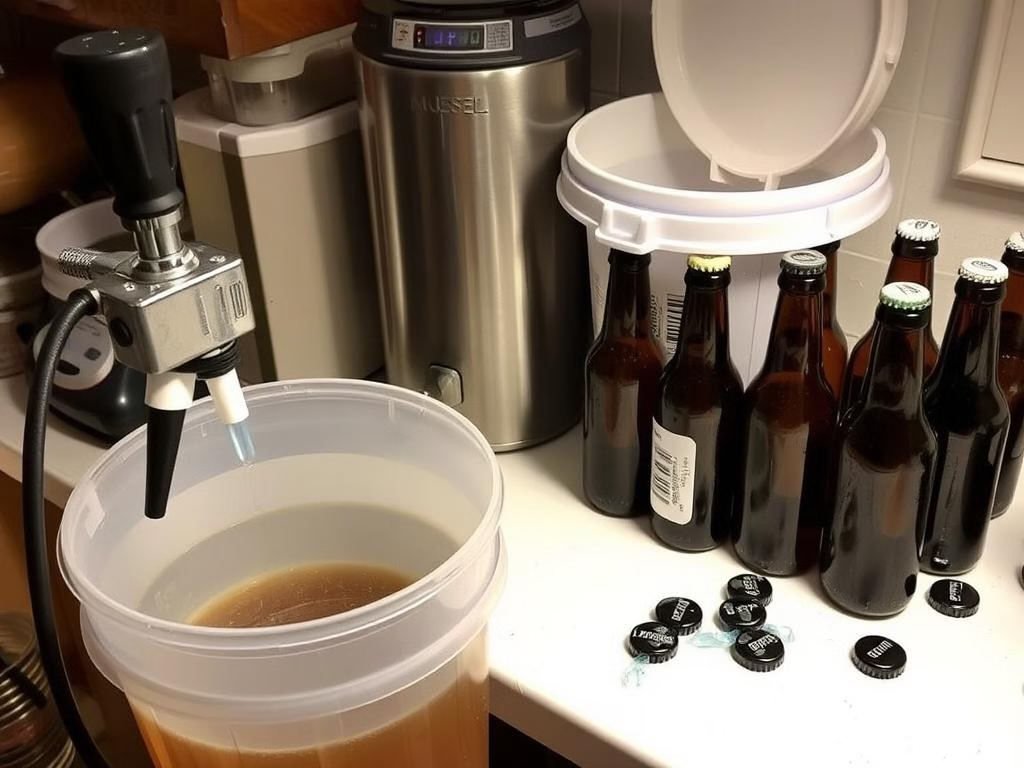
Preparing for Bottling
- Clean and sanitize all bottling equipment, including bottles, caps, bottling bucket, siphon, and tubing.
- Prepare priming sugar solution: Boil 3/4 cup of corn sugar (dextrose) in 2 cups of water for 5 minutes, then cool.
- Transfer the cooled priming solution to your sanitized bottling bucket.
The Bottling Process
- Siphon beer from fermenter to bottling bucket, minimizing splashing to reduce oxygen exposure.
- Gently stir to ensure even distribution of priming sugar.
- Fill bottles using the bottle filler, leaving about 1 inch of headspace.
- Cap bottles immediately after filling.
- Store bottles at room temperature (70°F) for 2 weeks to carbonate.
- After carbonation, refrigerate for at least 24 hours before enjoying.
Bottle Bomb Warning: Never bottle beer that hasn’t fully finished fermenting. Always verify stable gravity readings before bottling to prevent over-carbonation and exploding bottles.
Aging and Storage
- Most beers improve with 2-4 weeks of conditioning after carbonation
- Hoppy beers are best consumed fresh (within 1-3 months)
- Higher alcohol beers often benefit from extended aging (3+ months)
- Store bottles upright in a cool, dark place
Take Your Bottling to the Next Level
Quality bottling equipment makes packaging day easier and produces more consistent results. Invest in tools that will last through many brewing sessions.
Common Mistakes to Avoid
Even experienced brewers make mistakes occasionally. Learning to identify and avoid these common pitfalls will help you brew better beer from the start.
Sanitation Issues
- Mistake: Inadequate sanitization of equipment
- Result: Infected beer with off-flavors, sourness, or strange aromas
- Solution: Sanitize everything that contacts your beer after the boil using a no-rinse sanitizer like Star San
Temperature Control Problems
- Mistake: Fermenting at temperatures too high for your yeast strain
- Result: Fusel alcohols (harsh, solvent-like flavors) and excessive esters
- Solution: Monitor and control fermentation temperature using a thermometer strip or temperature controller
Ingredient Handling
- Mistake: Using old ingredients or improper storage
- Result: Stale flavors, reduced hop aroma, or incomplete fermentation
- Solution: Purchase fresh ingredients, store hops and yeast in the freezer, and keep grains cool and dry
Process Errors
Brewing Day Mistakes
- Boilovers from inattention
- Scorching extract by adding to hot water
- Inadequate cooling before pitching yeast
- Insufficient aeration of cooled wort
Bottling Day Mistakes
- Bottling before fermentation is complete
- Uneven mixing of priming sugar
- Excessive oxygen exposure during transfers
- Inconsistent fill levels in bottles
Recipe Formulation
- Mistake: Overly complex recipes for your skill level
- Result: Multiple variables making troubleshooting difficult
- Solution: Start with simple, proven recipes and master the basics before experimenting
Record Keeping
- Mistake: Not taking notes during the brewing process
- Result: Inability to replicate successes or learn from mistakes
- Solution: Keep a brewing journal or use brewing software to track every aspect of your process
“The difference between a good brewer and a great brewer is attention to detail and meticulous record-keeping.”
Learn from Experienced Brewers
Joining a homebrewing community can help you avoid common mistakes and accelerate your learning curve through shared knowledge.
Beginner-Friendly Beer Recipes
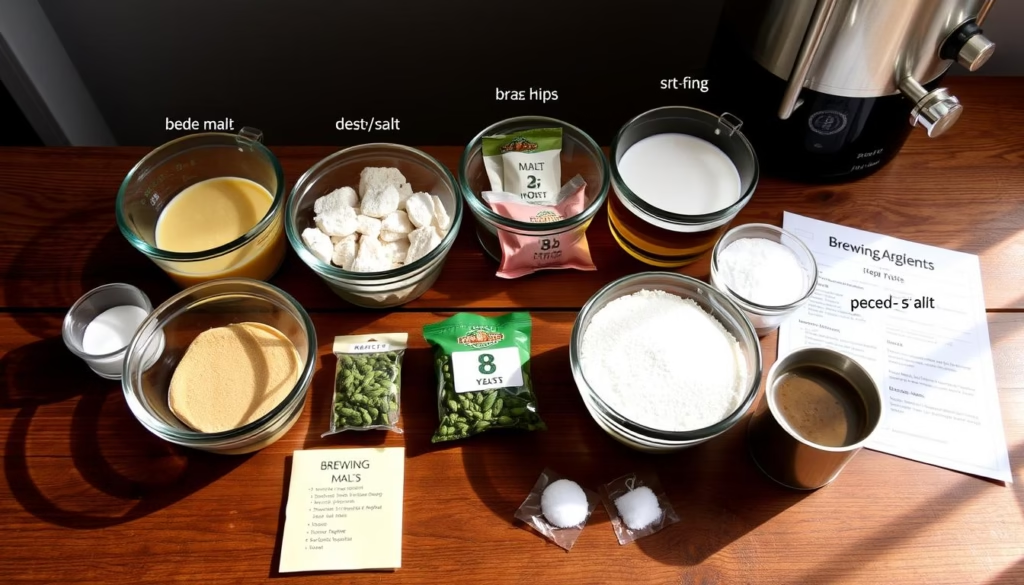
Starting with proven recipes helps ensure success while you’re learning the brewing process. These beginner-friendly recipes are forgiving, require minimal specialized equipment, and produce delicious results.
Simple Amber Ale (5 gallons)
Ingredients:
- 6 lbs Light Liquid Malt Extract
- 1 lb Crystal 60L (steeped)
- 0.5 oz Magnum Hops (60 min)
- 1 oz Cascade Hops (15 min)
- 1 oz Cascade Hops (0 min)
- Safale US-05 American Ale Yeast
- 3/4 cup Corn Sugar (for bottling)
Brewing Stats:
- Original Gravity: 1.052
- Final Gravity: 1.012
- ABV: 5.2%
- IBU: 35
- SRM: 11 (Amber)
Easy Irish Stout (5 gallons)
Ingredients:
- 6 lbs Dark Liquid Malt Extract
- 1 lb Roasted Barley (steeped)
- 0.5 lb Chocolate Malt (steeped)
- 0.5 lb Flaked Barley (steeped)
- 2 oz East Kent Goldings Hops (60 min)
- Wyeast 1084 Irish Ale Yeast
- 3/4 cup Corn Sugar (for bottling)
Brewing Stats:
- Original Gravity: 1.048
- Final Gravity: 1.012
- ABV: 4.7%
- IBU: 35
- SRM: 34 (Black)
Beginner’s Pale Ale (5 gallons)
Ingredients:
- 7 lbs Light Liquid Malt Extract
- 0.5 lb Crystal 20L (steeped)
- 0.5 oz Centennial Hops (60 min)
- 0.5 oz Centennial Hops (30 min)
- 1 oz Cascade Hops (5 min)
- Safale US-05 American Ale Yeast
- 3/4 cup Corn Sugar (for bottling)
Brewing Stats:
- Original Gravity: 1.054
- Final Gravity: 1.012
- ABV: 5.5%
- IBU: 38
- SRM: 6 (Golden)
Find Your Perfect Recipe
Browse thousands of homebrewing recipes with reviews and ratings to find your next brewing project.
Additional Resources for Home Beer Brewing
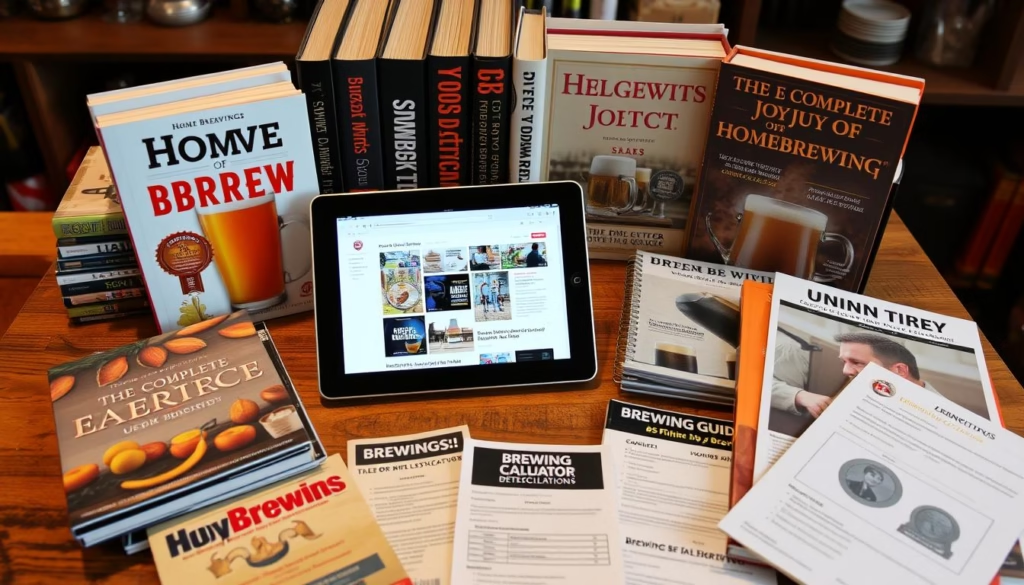
The homebrewing community is incredibly supportive and offers a wealth of resources for brewers at all levels. Here are some valuable resources to continue your brewing education:
Essential Books for Homebrewers
- “How to Brew” by John Palmer – The definitive guide for beginners and intermediate brewers
- “The Complete Joy of Homebrewing” by Charlie Papazian – An approachable classic with the famous mantra “Relax, don’t worry, have a homebrew”
- “Brewing Classic Styles” by Jamil Zainasheff and John Palmer – Award-winning recipes for 80+ beer styles
- “Radical Brewing” by Randy Mosher – For when you’re ready to get creative with ingredients and techniques
Online Learning Resources
- American Homebrewers Association – Articles, forums, and resources for homebrewers
- HowToBrew.com – Free online version of John Palmer’s book
- Brew Cabin – Comprehensive guides and equipment reviews
- HomeBrewTalk – Active forums with knowledgeable brewers
Brewing Software and Calculators
- Brewer’s Friend – Recipe formulation, brewing calculators, and tracking tools
- Brewfather – Modern brewing software with mobile app integration
- BeerSmith – Comprehensive brewing software with extensive style guidelines
Video Resources
- Clawhammer Supply – Clear, step-by-step brewing videos
- Basic Brewing – Long-running series covering all aspects of homebrewing
- Brew Cabin – Tutorials and equipment reviews
Local Resources
- Homebrew Supply Shops – Staff at local shops often provide invaluable advice and troubleshooting
- Homebrew Clubs – Join a local club to learn from experienced brewers and share your creations
- Brewery Tours – Many craft breweries offer tours that can deepen your understanding of the brewing process
Join the Brewing Community
Connect with fellow brewers, share recipes, and get personalized advice from experienced homebrewers.
Conclusion: Your Home Beer Brewing Journey
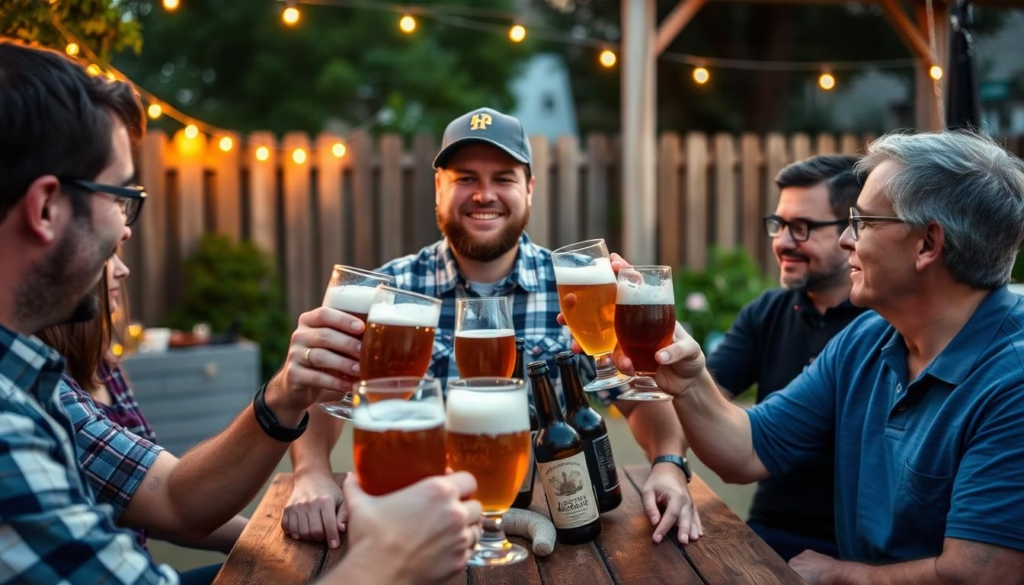
Home beer brewing is a rewarding hobby that combines science, art, and craftsmanship. As you’ve seen throughout this guide, the process is accessible to beginners while offering endless opportunities for creativity and mastery as your skills develop.
Remember that every brewer makes mistakes—they’re valuable learning opportunities. Start with simple recipes and equipment, focus on proper sanitization and temperature control, and keep detailed records of your process. With each batch, you’ll gain confidence and develop your brewing intuition.
The homebrewing community is extraordinarily supportive, so don’t hesitate to ask questions and share your experiences. Whether you’re brewing to save money, explore flavors unavailable commercially, or simply for the satisfaction of creating something by hand, you’re part of a tradition that spans thousands of years.
Your first homebrew might not be perfect, but it will be yours—and there’s something special about sharing a beer you’ve crafted from scratch. So gather your equipment, select a recipe, and embark on your brewing adventure. Before long, you’ll be raising a glass of your own creation and planning your next brew day.
“From man’s sweat and God’s love, beer came into the world.”
Ready to Brew Your First Batch?
Get everything you need to start your homebrewing journey with a complete starter kit.
Next Top 10 Home Brewing Starter Kits In 2025
Share your brewing experiences, questions, and successes in the comments below. Happy brewing!



2 Comments