

Curious about the real homebrew cost before diving into this rewarding hobby? You’re not alone. Many aspiring brewers wonder if crafting their own beer will save money or become an expensive passion. This comprehensive guide breaks down all the costs involved in homebrewing from essential equipment to ingredients and those easily overlooked expenses.Whether you’re looking to brew beer, mead, or cider on a budget, we’ll help you understand exactly what to expect financially and show you practical ways to keep costs down without sacrificing quality. Let’s uncover the true economics of homebrewing and determine if it’s a financially sound hobby for you.Why Homebrew Cost Matters for BeginnersUnderstanding the homebrew cost structure upfront helps you make informed decisions about your brewing journey. Many beginners jump in without a clear picture of the financial commitment, leading to unexpected expenses and potential disappointment.
The good news? Homebrewing can be as economical or as premium as you choose. With proper planning, you can:
- Set a realistic budget based on your brewing goals
- Identify where to invest for quality and where to save
- Avoid unnecessary purchases that marketing might convince you are “essential”
- Calculate your true cost per batch to compare with commercial alternatives
- Plan your brewing schedule to maximize ingredient usage and minimize waste
Let’s break down the actual costs you’ll encounter, from initial setup to your first delicious sip.
Initial Equipment: The Upfront Homebrew Cost
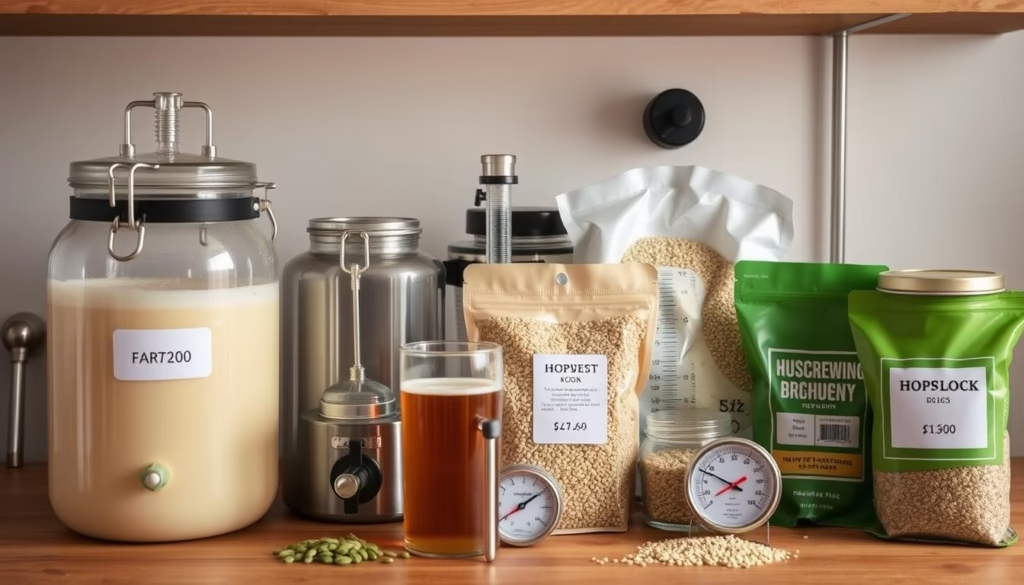
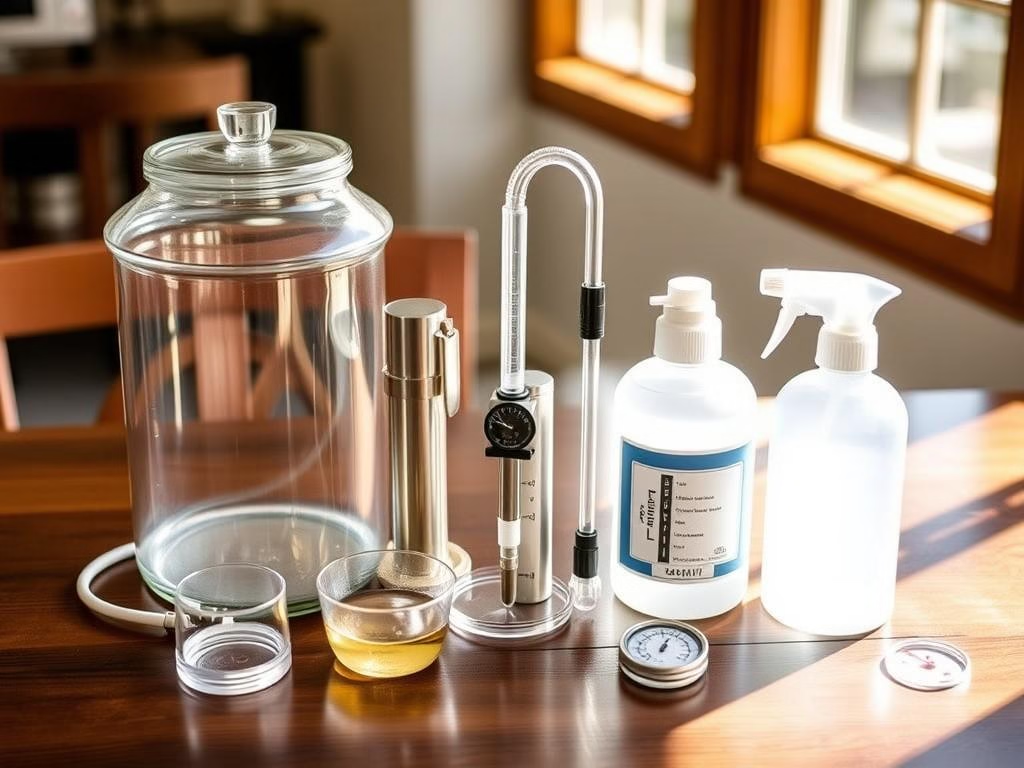
Your first significant expense will be brewing equipment. The good news is that many items are one-time purchases that will last for years with proper care. Here’s a breakdown of what you’ll need to get started:
| Equipment Item | Price Range | DIY Alternative | Necessity Level |
| Fermenter | $20-$100 | Food-grade buckets ($5-10) | Essential |
| Airlock & Stopper | $2-$5 | None recommended | Essential |
| Brew Kettle | $30-$200 | Large stock pot ($20-40) | Essential |
| Siphon & Tubing | $10-$25 | None recommended | Essential |
| Hydrometer | $8-$15 | None available | Recommended |
| Bottles | $12-$25 (new) | Reused bottles (free) | Essential |
| Bottle Capper | $15-$40 | None available | Essential for bottling |
| Sanitizer | $5-$15 | Diluted bleach (not ideal) | Essential |
Real-World Equipment Cost Examples
Budget Setup
Northern Brewer Basic Starter Kit: Sale $49.99 Popular choice.
Includes fermenter, airlock, siphon, bottling bucket, and sanitizer. You’ll still need a kettle and bottles.
Total with additions: ~$120
Mid-Range Setup
MoreBeer Deluxe Starter Kit: $179.99
Includes everything in the basic kit plus a better fermenter, thermometer, hydrometer, and bottle capper.
Total with additions: ~$230
Premium Setup
Brewzilla All-Grain System: $605.00
Complete all-grain brewing system with temperature control, plus all accessories for advanced brewing.
Total with additions: ~$700
Ready to Start Your Brewing Journey?
Get all the essential equipment you need in one convenient package. Our recommended starter kits include everything for your first brew day.
Ingredient Costs: The Ongoing Homebrew Expense
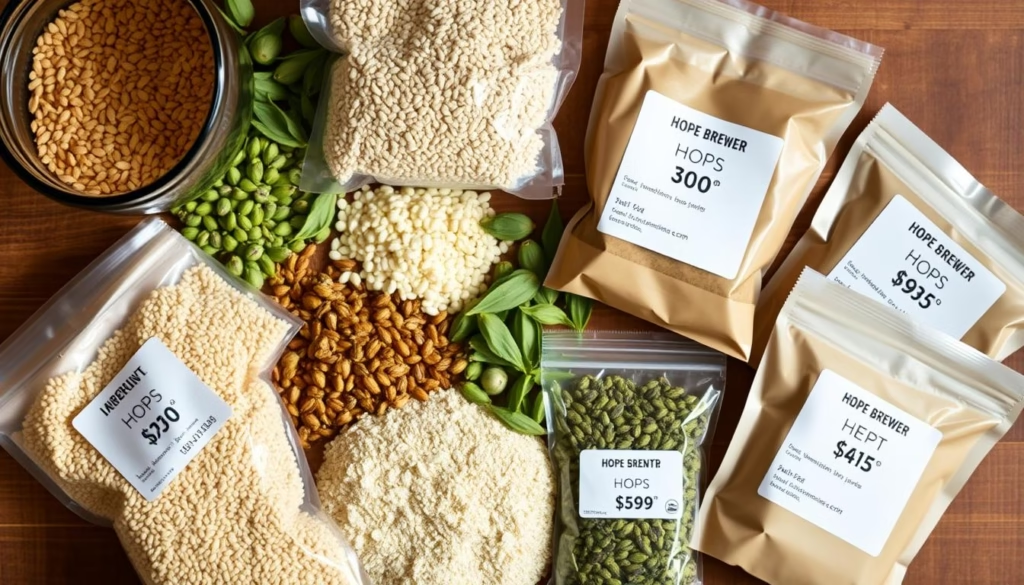
Once you have your equipment, you’ll need ingredients for each batch. These costs vary widely depending on the style of beer, mead, or cider you’re brewing and whether you’re using extract or all-grain methods.
Extract vs. All-Grain Brewing: Cost Comparison
Extract Brewing
Extract brewing uses pre-made malt extract, which saves time but costs more per batch.
Typical 5-gallon (19L) batch costs:
- Malt extract: $25-35
- Specialty grains: $3-8
- Hops: $5-15
- Yeast: $4-10
- Bottle caps: $2-3
Total per batch: $39-71
Cost per 12oz bottle: $0.70-1.25 (assuming 48 bottles)
All-Grain Brewing
All-grain brewing requires more equipment but reduces ingredient costs significantly.
Typical 5-gallon (19L) batch costs:
- Base malts: $15-25
- Specialty grains: $3-8
- Hops: $5-15
- Yeast: $4-10
- Bottle caps: $2-3
Total per batch: $29-61
Cost per 12oz bottle: $0.50-1.05 (assuming 48 bottles)
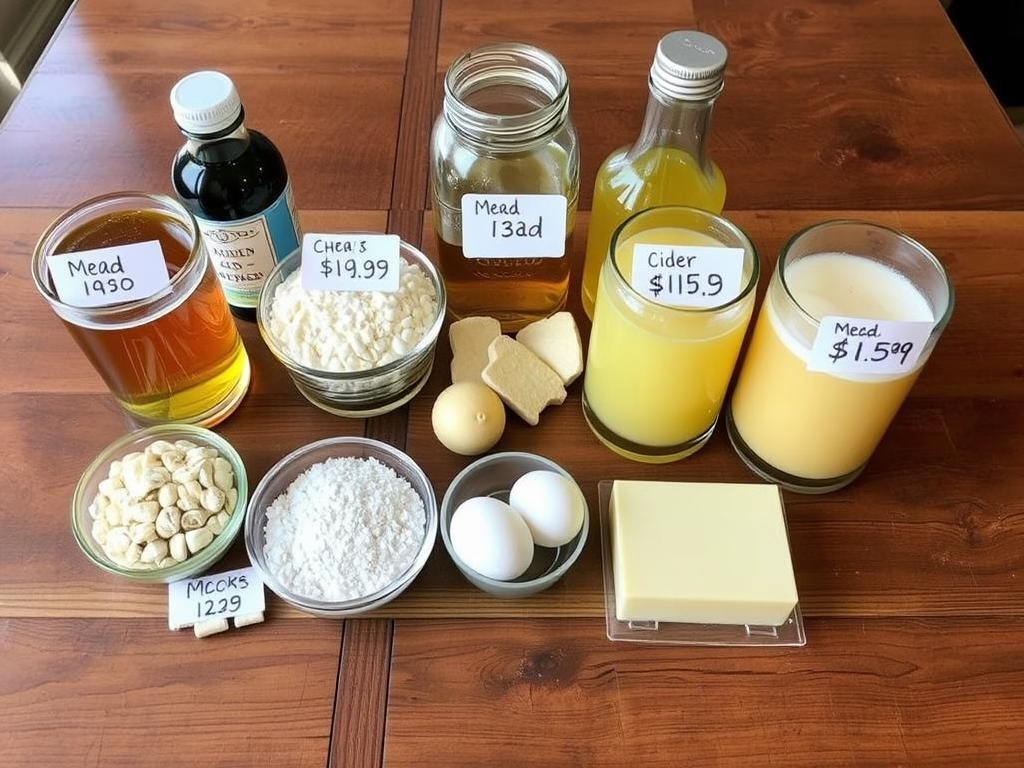
Beer vs. Mead vs. Cider: Cost Differences
| Beverage Type | Typical Ingredients | Cost Per 5-Gallon Batch | Cost Per Bottle |
| Beer (Extract) | Malt extract, hops, yeast | $39-71 | $0.70-1.25 |
| Beer (All-Grain) | Malted grain, hops, yeast | $29-61 | $0.50-1.05 |
| Mead | Honey, yeast, optional fruits | $60-150 | $1.25-3.10 |
| Cider | Apple juice/cider, yeast | $25-50 | $0.50-1.00 |
As you can see, cider is typically the most economical option, while mead tends to be the most expensive due to the high cost of quality honey. Beer falls in the middle, with all-grain brewing offering better value for those willing to invest in the additional equipment.
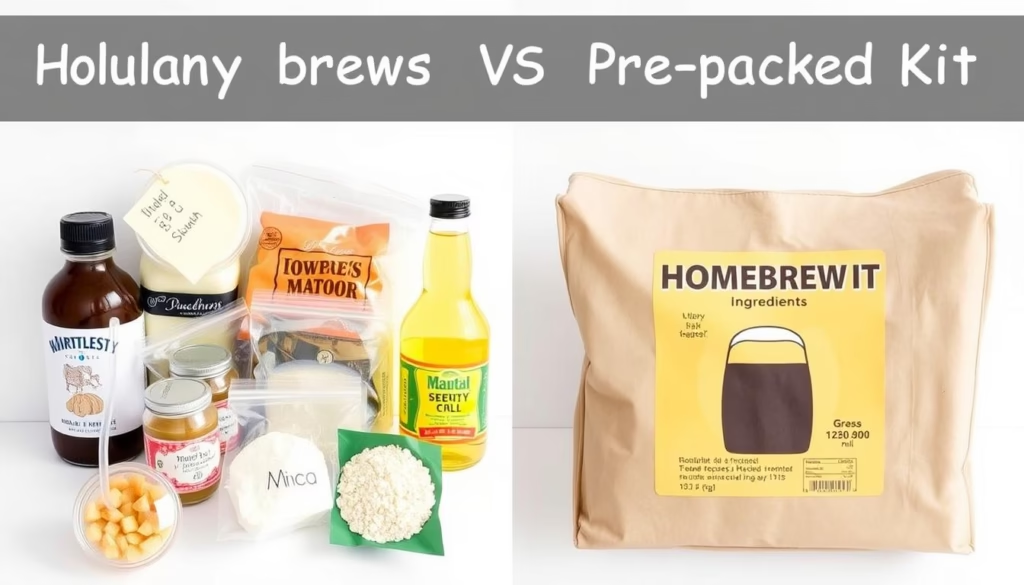
DIY vs. Pre-Made Kits: Which Offers Better Homebrew Cost Value?
When starting out, you’ll face a choice between buying pre-made ingredient kits or sourcing individual ingredients yourself. Each approach has distinct cost implications:
Pre-Made Kits
- Convenience: Everything measured and ready to use
- Consistency: Tested recipes with predictable results
- Beginner-friendly: Clear instructions reduce mistakes
- Time-saving: No need to source multiple ingredients
Average cost: $35-50 per 5-gallon batch
DIY Ingredients
- Cost-effective: Buying in bulk saves money long-term
- Customization: Complete control over your recipe
- Freshness control: Select your own quality ingredients
- Learning opportunity: Better understanding of brewing science
Average cost: $25-45 per 5-gallon batch (when buying in bulk)
Cost Comparison: 10 Batches Over One Year
| Approach | Initial Investment | Per Batch Cost | Total for 10 Batches | Cost Per Bottle |
| Pre-Made Kits | $0 | $40 | $400 | $0.83 |
| DIY (Small Quantities) | $0 | $35 | $350 | $0.73 |
| DIY (Bulk Purchasing) | $150 | $25 | $400 | $0.83 |
The table shows that while bulk purchasing has a higher initial cost, it becomes more economical as you brew more batches. For beginners, pre-made kits offer value through convenience and reduced risk of mistakes, which could waste ingredients.
Perfect for Your First Brew Day
Start with a quality ingredient kit that includes everything you need for a successful first batch, with clear step-by-step instructions.
5 Ways to Save Money on Homebrewing
Homebrewing doesn’t have to break the bank. Here are five proven strategies to reduce your homebrew cost without sacrificing quality:
1. Bulk Purchasing
- Buy base malts in 25-55 lb sacks ($1.50/lb vs. $2.50/lb)
- Purchase hops by the pound ($1-2/oz vs. $3-4/oz)
- Split bulk orders with brewing friends
- Store properly in airtight containers
- Savings: $10-20 per batch
2. Reuse & Harvest
- Wash and reuse yeast (4-6 batches from one package)
- Collect and clean used bottles
- Make yeast starters to stretch packages
- Save leftover ingredients for small batches
- Savings: $5-15 per batch
3. DIY Equipment
- Build your own mash tun from coolers
- Create a fermentation chamber from old fridge
- Make a stir plate from computer fan
- Construct a bottle drying tree from PVC
- Savings: $50-300 one-time
4. Brew Efficiently
- Brew higher gravity and dilute (more beer per batch)
- Do back-to-back brew days using same yeast
- Plan recipes to use up existing ingredients
- Reuse sanitizer solution within its effective period
- Savings: $5-15 per batch
5. Shop Smart
- Buy equipment used from retiring brewers
- Take advantage of seasonal sales and clearances
- Join a homebrew club for equipment sharing
- Look for free shipping offers from online retailers
- Savings: $20-100+ per year
Bonus: Location Savings
- Electric systems save money in areas with high propane costs
- Propane systems are more economical where electricity is expensive
- Ambient fermentation works in moderate climates (no temp control needed)
- Local grain/hop sources reduce shipping costs
- Savings: Varies by location
Implementing just a few of these strategies can significantly reduce your per-batch homebrew cost. Many experienced brewers find that their cost per bottle drops below $0.50 once they’ve optimized their process and purchasing habits.
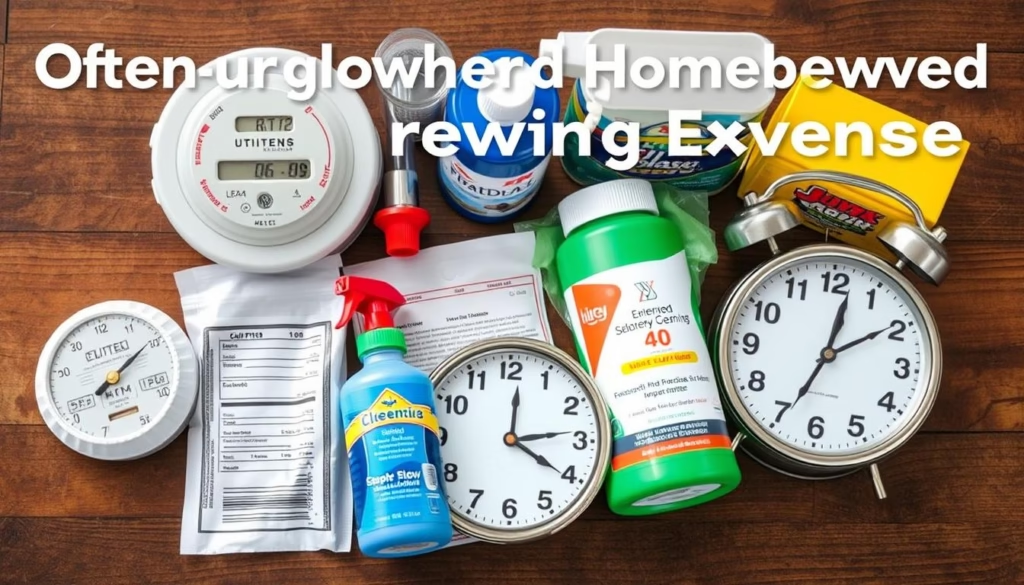
Hidden Homebrew Costs You Shouldn’t Overlook
When calculating your homebrew cost, don’t forget these often-overlooked expenses that can add up over time:
Utilities and Energy
- Propane/Natural Gas: $2-5 per batch for heating
- Electricity: $1-3 per batch for brewing equipment
- Refrigeration: $2-8 per month for fermentation temperature control
- Water: $0.50-2 per batch for brewing and cleaning
Cleaning and Sanitizing
- Sanitizer: $0.50-1 per batch
- Cleaning agents: $0.50-1 per batch
- Brushes and cleaning tools: $10-30 per year
- Water for cleaning: Often overlooked but significant
Storage and Space
- Storage containers: $10-50 one-time cost
- Dedicated space value: Hard to quantify but real
- Temperature-controlled storage: Electricity costs
- Ingredient freshness loss: From improper storage
Time Investment
While not a direct financial cost, your time has value. A typical brewing session breaks down to:
- Brew day: 4-6 hours
- Fermentation monitoring: 30 minutes spread over 1-4 weeks
- Bottling/kegging: 1-2 hours
- Cleaning: 1-2 hours total
Pro Tip: Track ALL your expenses for a few batches to get an accurate picture of your true homebrew cost. Many brewers are surprised by how much the “little things” add up over time.
Plan Your Brewing Budget
Our free homebrew cost calculator helps you account for all expenses even the hidden ones so you can budget accurately for your brewing hobby.
Is Homebrewing Cost-Effective Long-Term?
After analyzing all the homebrew cost factors, the big question remains: Is homebrewing actually cheaper than buying commercial beer? The answer depends on several factors:
4.2
Cost-Effectiveness Rating
vs. Craft Beer
4.5/5
vs. Premium Beer
4.0/5
vs. Budget Beer
3.0/5
Long-Term Value
5.0/5
Cost Comparison: Homebrew vs. Commercial Beer
| Beer Type | Average Commercial Cost | Homebrew Cost | Savings Per 12oz | Break-Even Point |
| Craft Beer | $2.00-3.00 per 12oz | $0.50-1.00 per 12oz | $1.50-2.00 | ~10-15 batches |
| Premium Beer | $1.25-2.00 per 12oz | $0.50-1.00 per 12oz | $0.75-1.00 | ~15-20 batches |
| Budget Beer | $0.75-1.25 per 12oz | $0.50-1.00 per 12oz | $0.25-0.25 | ~25-30 batches |
As the table shows, homebrewing is most cost-effective when compared to craft beer. If you primarily drink craft beer, you’ll reach your break-even point much sooner than if you typically buy budget beer.
Beyond the Numbers: Additional Value
The true value of homebrewing extends beyond pure cost savings:
- Quality control: You determine exactly what goes into your beer
- Customization: Create beers tailored to your exact preferences
- Skill development: Learn a valuable craft with historical significance
- Community: Connect with other homebrewers and beer enthusiasts
- Satisfaction: The pride of sharing something you created yourself
“The true value of homebrewing isn’t just in the money you save it’s in the joy of creation, the friends you make, and the knowledge you gain. That’s something you can’t put a price tag on.”
Charlie Papazian, Founder of the American Homebrewers Association
Conclusion: Is Homebrewing Worth the Cost?
After breaking down the complete homebrew cost picture, we can draw some clear conclusions:
- Homebrewing requires an initial investment of $100-300 for basic equipment
- Ingredient costs range from $25-70 per 5-gallon batch depending on your approach
- The cost per bottle ($0.50-1.25) is significantly lower than commercial craft beer ($2-3)
- Hidden costs like utilities, cleaning supplies, and time investment should be considered
- Most homebrewers reach their break-even point within 10-20 batches
For those who enjoy craft beer and plan to brew regularly, homebrewing is indeed cost-effective in the long run. However, if you only brew occasionally or typically drink budget beer, the financial benefits may be less significant.
Remember that homebrewing is both a hobby and a craft. While saving money is a nice benefit, many homebrewers continue brewing for the joy of creation, the community, and the satisfaction of sharing their unique creations with friends and family.
Whether you’re motivated by cost savings or creative expression, homebrewing offers a rewarding experience that goes far beyond the numbers in your budget spreadsheet.
Begin Your Homebrewing Adventure
Ready to start brewing your own delicious beer at home? Find the perfect equipment kit for your budget and brewing goals.
Frequently Asked Questions About Homebrew Cost
How much does it cost to start homebrewing?
For a basic extract brewing setup, expect to spend 0-150 on equipment and -50 on ingredients for your first batch. All-grain brewing requires additional equipment, bringing the initial investment to 0-300. Pre-packaged starter kits often provide better value for beginners.
Is homebrewing cheaper than buying beer?
Compared to craft beer (-3 per bottle), homebrewing (
Frequently Asked Questions About Homebrew Cost
How much does it cost to start homebrewing?
For a basic extract brewing setup, expect to spend $100-150 on equipment and $35-50 on ingredients for your first batch. All-grain brewing requires additional equipment, bringing the initial investment to $200-300. Pre-packaged starter kits often provide better value for beginners.
Is homebrewing cheaper than buying beer?
Compared to craft beer ($2-3 per bottle), homebrewing ($0.50-1.25 per bottle) is definitely cheaper in the long run. You’ll typically reach your break-even point after 10-15 batches. However, if you primarily drink budget beer, the cost savings will be less dramatic.
What’s the cheapest type of alcohol to make at home?
Hard cider is typically the most economical homemade alcoholic beverage, with ingredient costs as low as $25 for a 5-gallon batch. Simple sugar wines (sometimes called “kilju”) are also very inexpensive but generally lower in quality. Among beer styles, simple ales with modest hop additions are the most cost-effective.
How can I reduce my homebrew costs?
The most effective ways to save money include: buying ingredients in bulk, reusing yeast through washing or making starters, collecting and reusing bottles, brewing higher gravity beers and diluting them, and joining a homebrew club to share equipment and bulk purchases with other brewers.
Is all-grain brewing cheaper than extract brewing?
Yes, all-grain brewing is typically 20-40% cheaper per batch than extract brewing. However, it requires additional equipment (mash tun, larger kettle, etc.) which means a higher initial investment. If you plan to brew regularly, all-grain will save money in the long run despite the higher startup costs.
.50-1.25 per bottle) is definitely cheaper in the long run. You’ll typically reach your break-even point after 10-15 batches. However, if you primarily drink budget beer, the cost savings will be less dramatic.
What’s the cheapest type of alcohol to make at home?
Hard cider is typically the most economical homemade alcoholic beverage, with ingredient costs as low as for a 5-gallon batch. Simple sugar wines (sometimes called “kilju”) are also very inexpensive but generally lower in quality. Among beer styles, simple ales with modest hop additions are the most cost-effective.
How can I reduce my homebrew costs?
The most effective ways to save money include: buying ingredients in bulk, reusing yeast through washing or making starters, collecting and reusing bottles, brewing higher gravity beers and diluting them, and joining a homebrew club to share equipment and bulk purchases with other brewers.
Is all-grain brewing cheaper than extract brewing?
Yes, all-grain brewing is typically 20-40% cheaper per batch than extract brewing. However, it requires additional equipment (mash tun, larger kettle, etc.) which means a higher initial investment. If you plan to brew regularly, all-grain will save money in the long run despite the higher startup costs.